Here is a list of notable student projects from our different courses (incl additions to thesis works).

Here is a list of notable student projects from our different courses (incl additions to thesis works).
|
Audio Visualizer
Erik Ivar Haav, Charlotte Pree, Richard Prost |
|
|---|---|
|
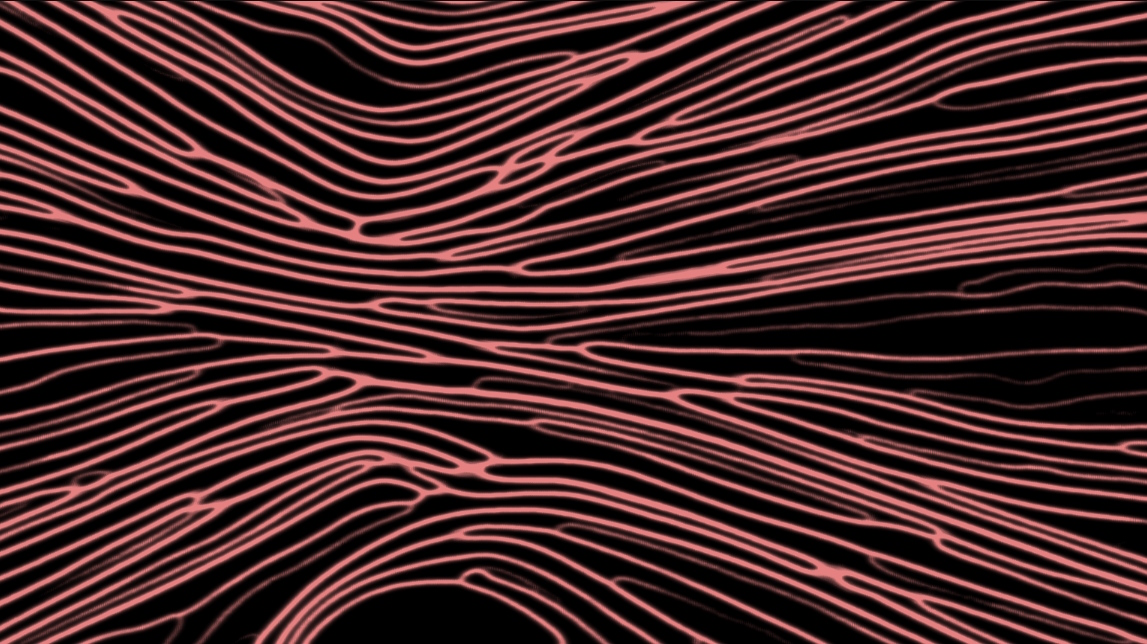
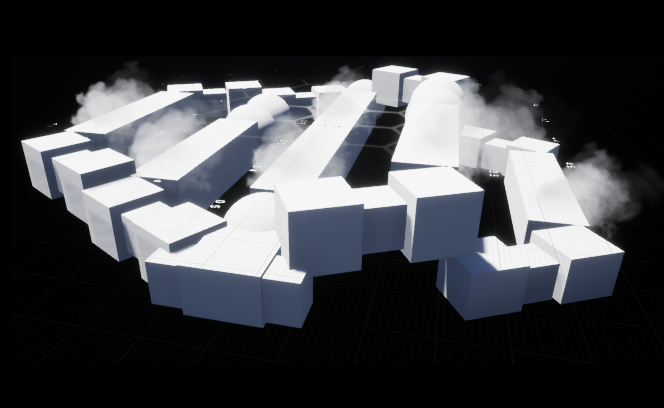
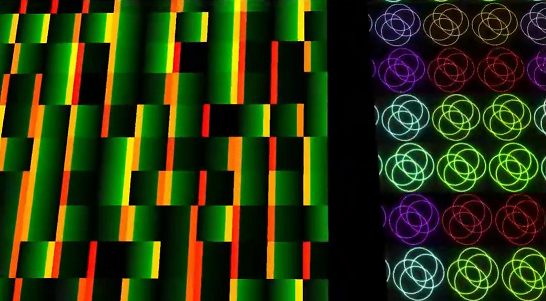
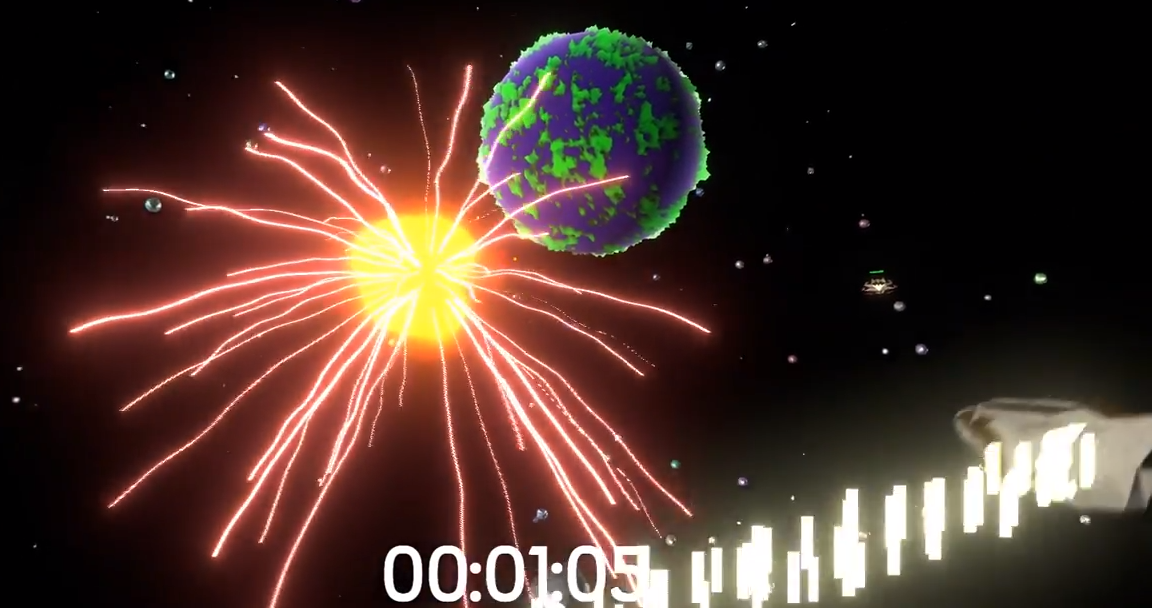
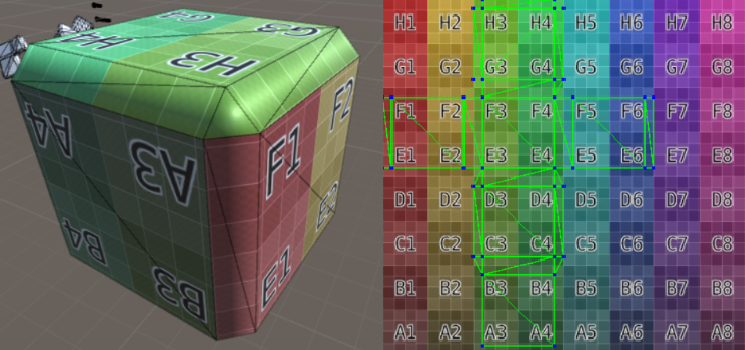
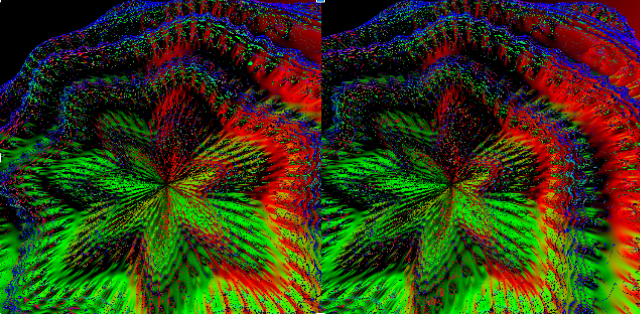
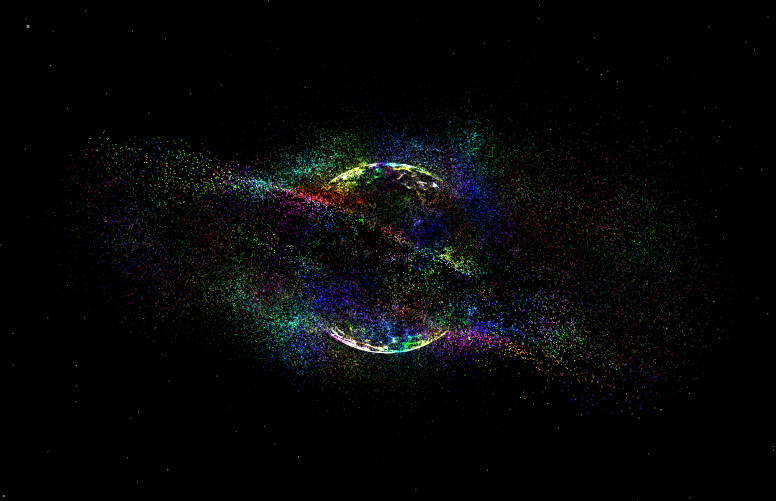
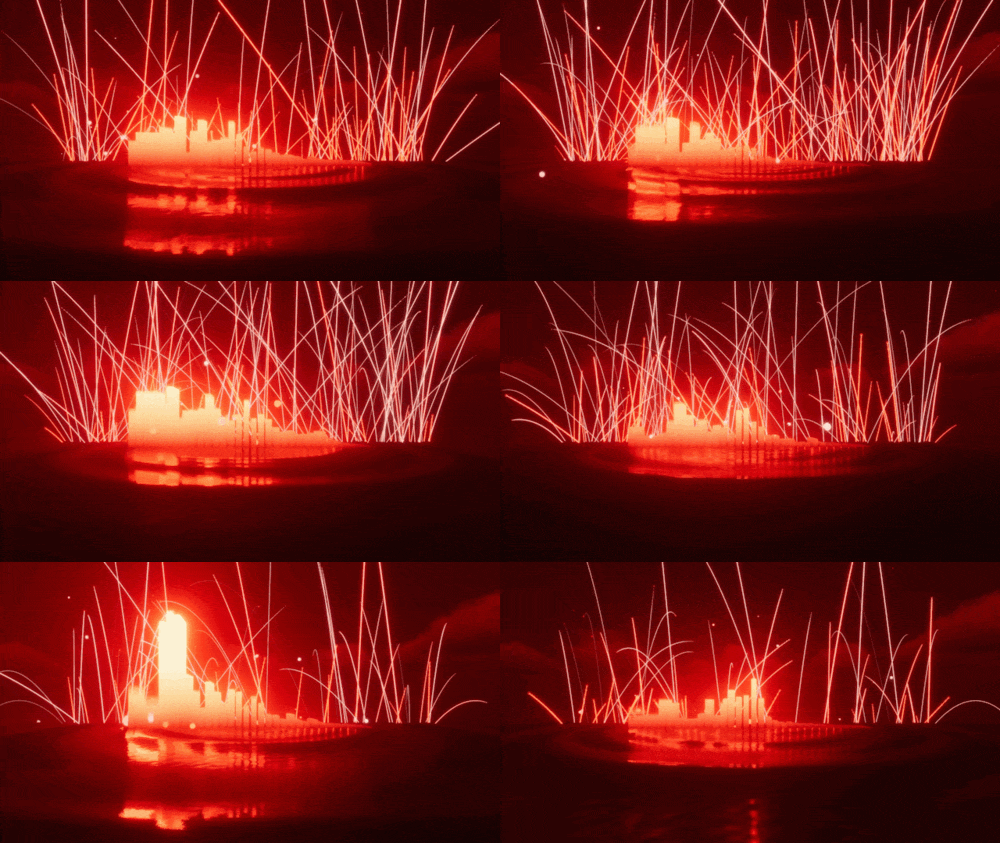
The Audio Visualizer project uses the Unity game engine's High Definition Render Pipeline to render several different audio visualization effects. The two main effects are the Visualizer Bars effect and the Hexagon Ripples effect. The audio is captured from the computer audio via the CSCore audio library. The audio is then processed, and each frequency band is normalized. Otherwise, the visualization of higher frequencies would be too spread out in intensity compared to the lower frequencies. The result is amazing visualizations with fireworks and explosions. This project was ranked first in the Computer Graphics course. |
Computer Graphics
|
|
Procedural Animation
Patrick Tiit Raal, Artjom Geimanen, Juhan Oskar Hennoste |
|
|---|---|
|
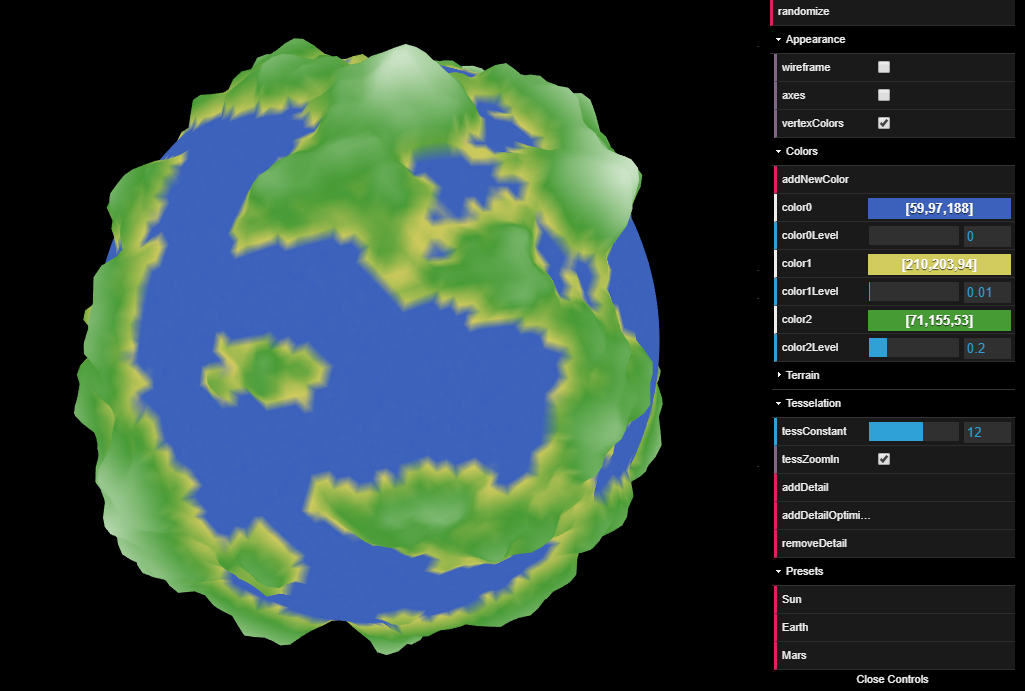
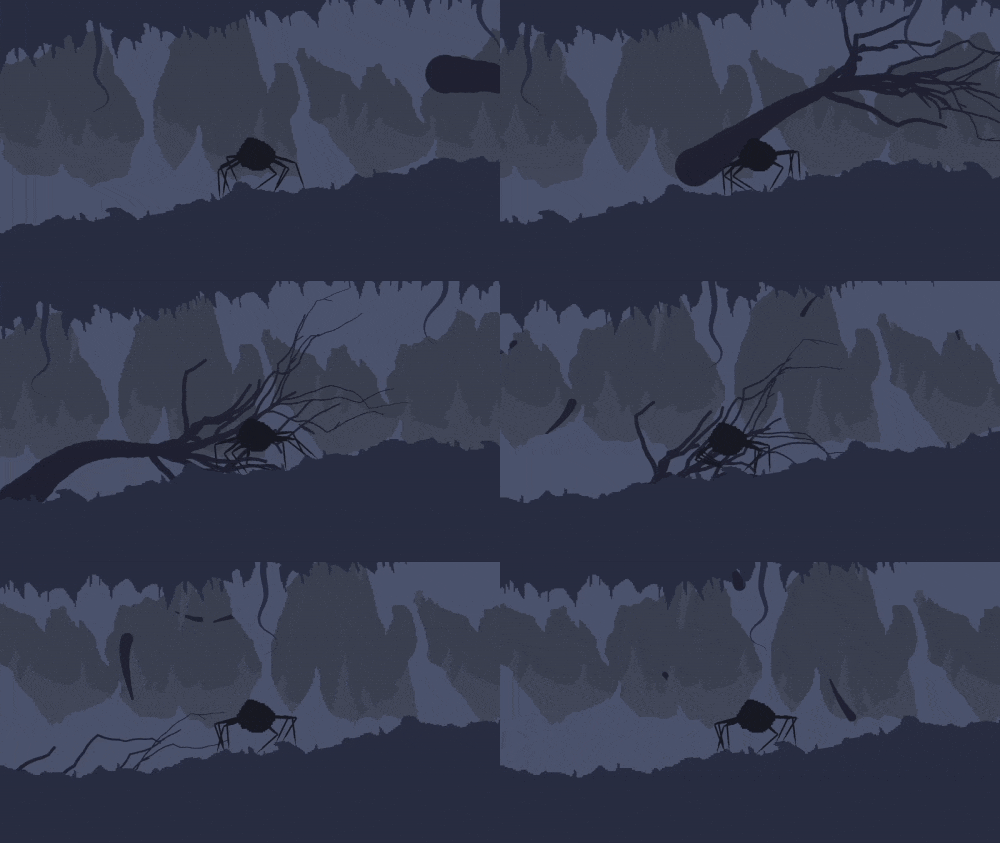
This project features several differently animated characters in a small demo level. The spider is the controllable character, whose eight legs find the nearest positions on the ground as it moves. In the background, the Leviathan is created using L-systems to procedurally create multiple appendages. The small worms hang from the ceilings and are animated via sine waves. All the meshes are animated through FABRIK (Forward and Backward Reaching Inverse Kinematics). This project was rated the best in the Computer Graphics course. |
Computer Graphics
|
|
Tiksu Golf
Timo Thon Phet Schwarzbach, Henry Hoang Son Vogel, Louis Maximilian Goerlt |
|
|---|---|
|
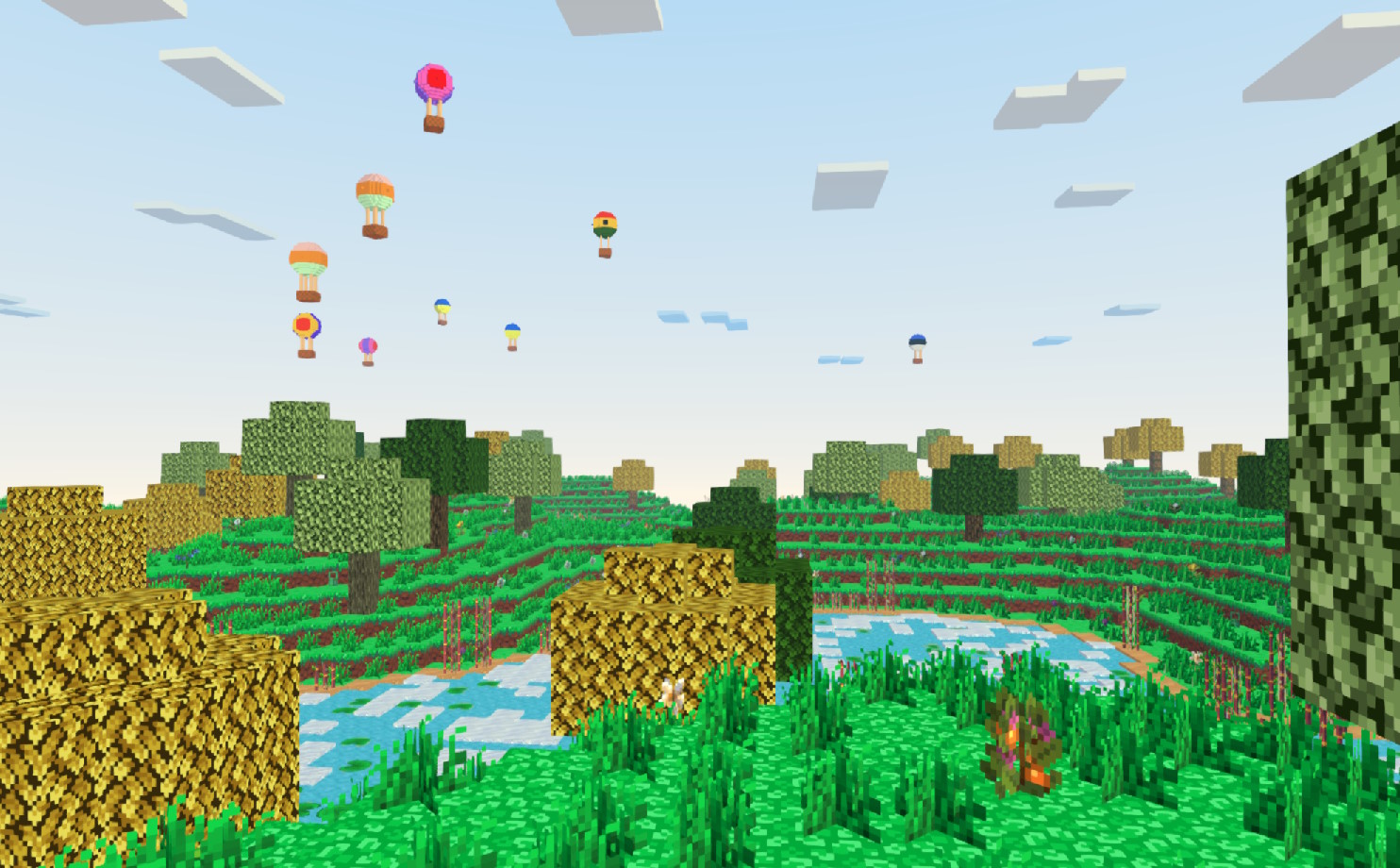
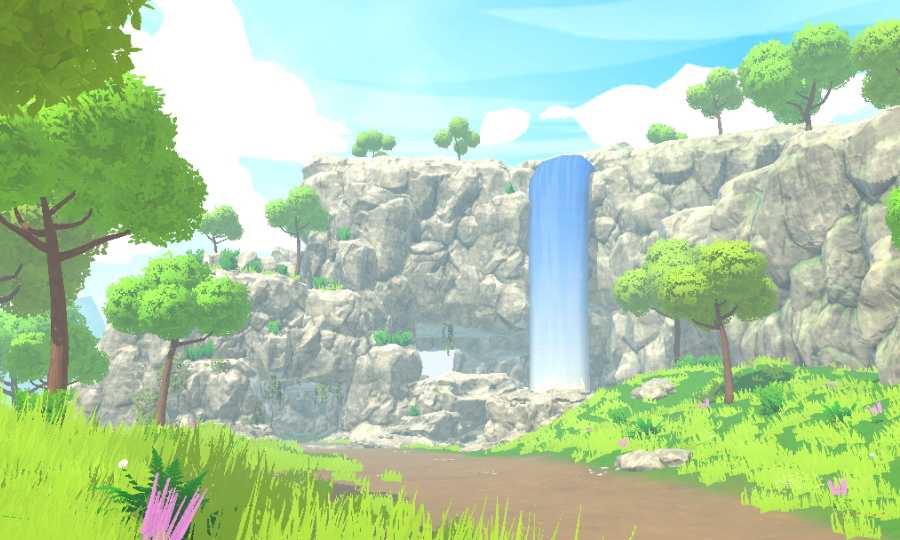
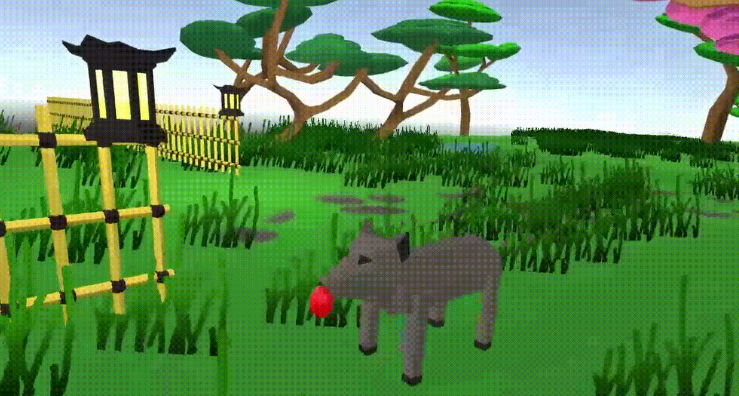
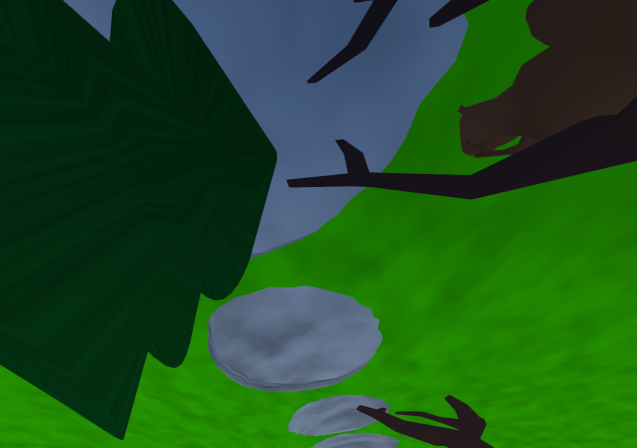
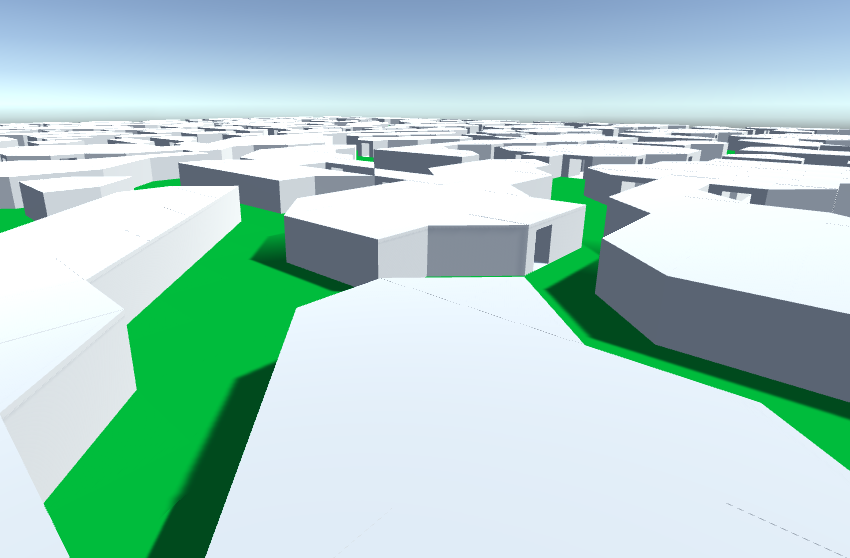
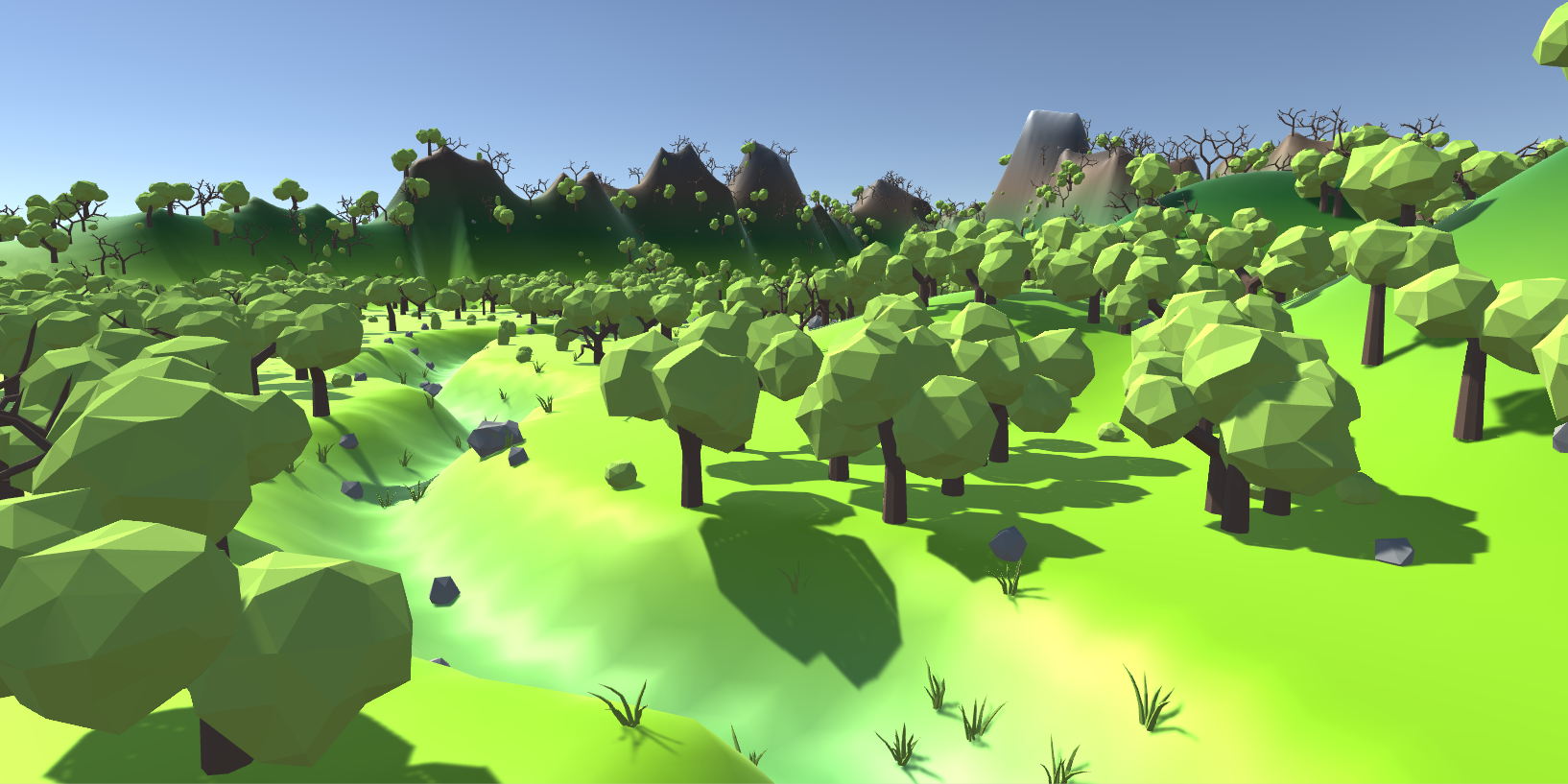
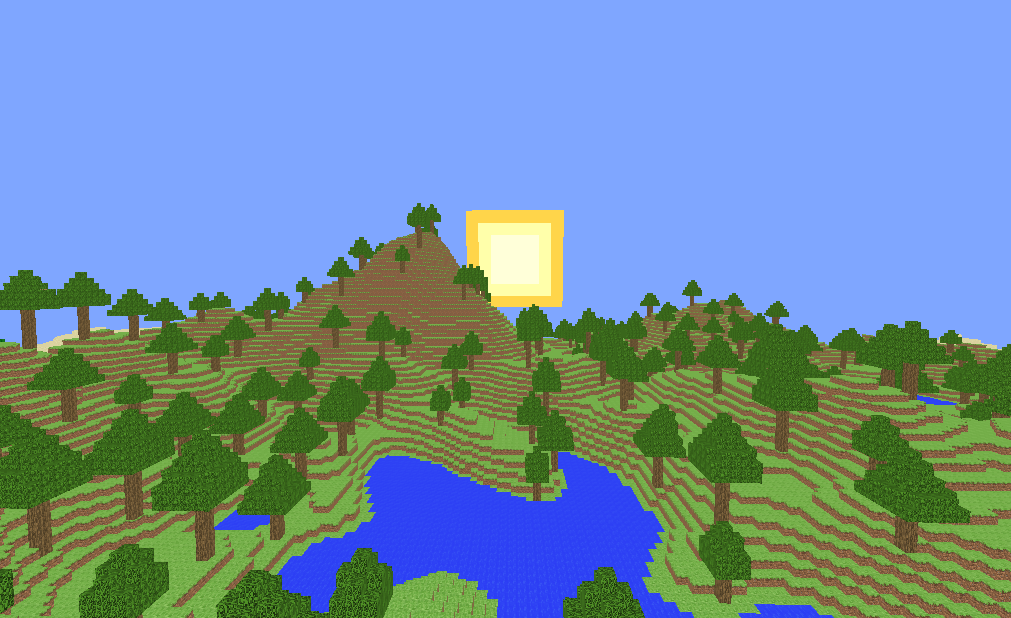
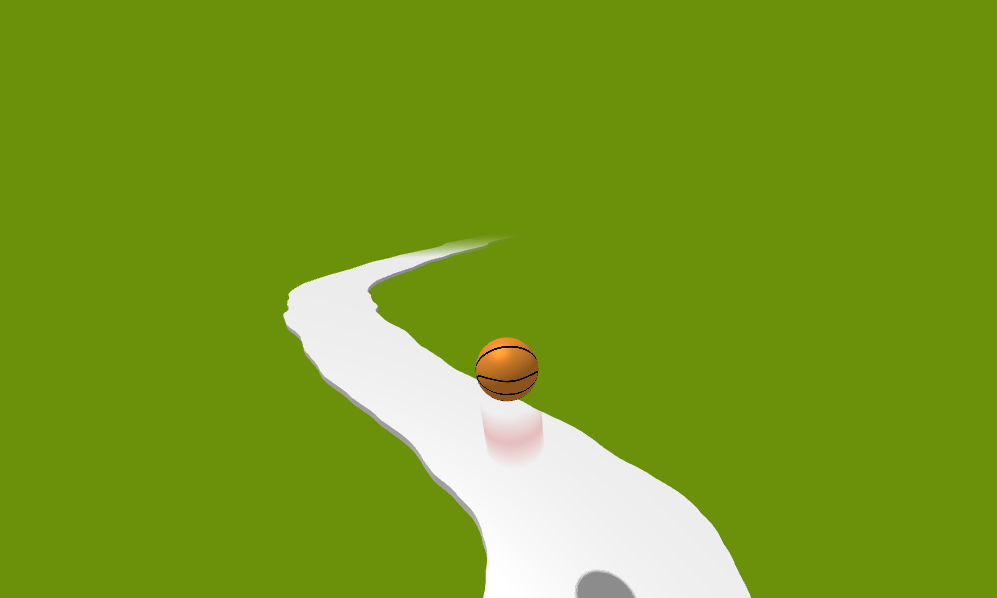
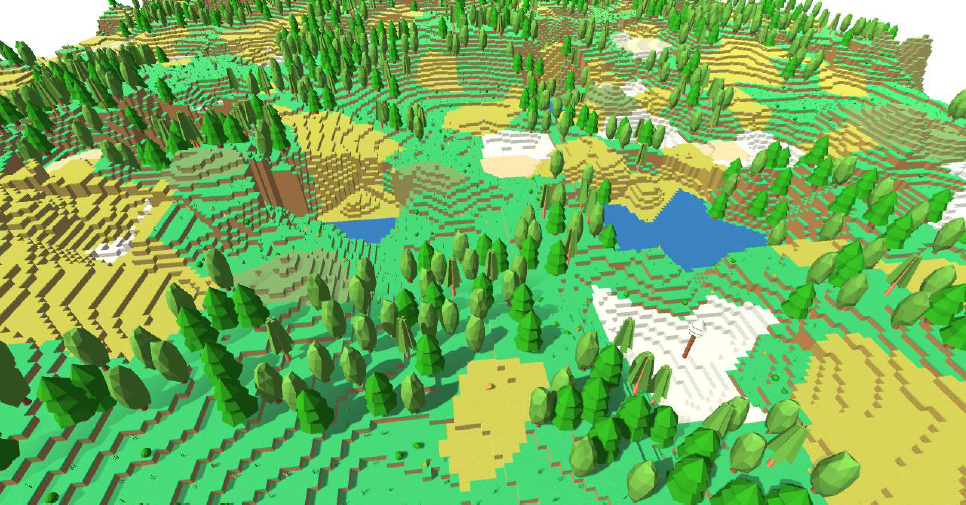
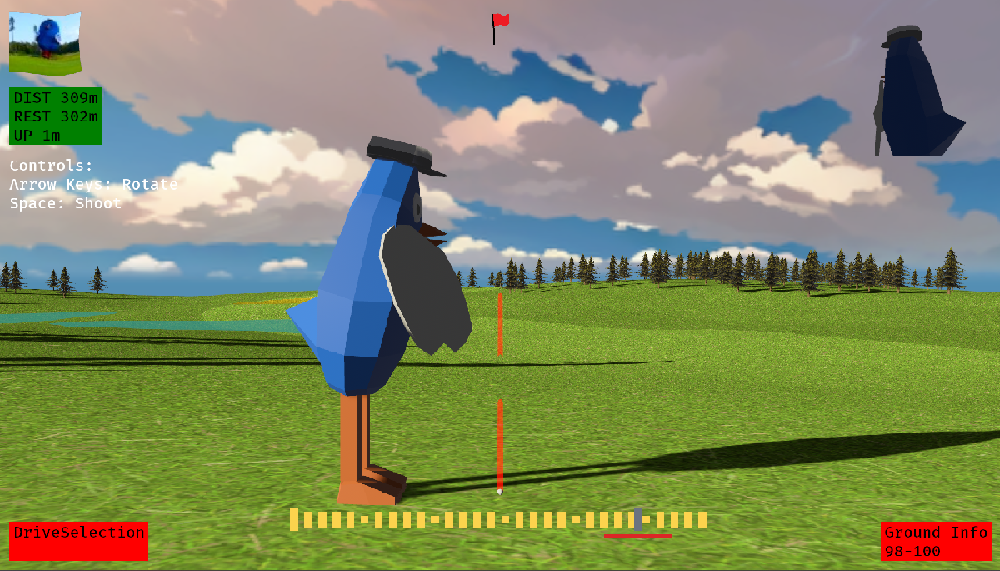
In Tiksu Golf, you play as Tiksu, the University of Tartu mascot. Inspired by retro golf games, you try to get the gold ball into the golf ball hole. The levels are procedurally generated, water bodies use a custom shader, and forests are placed using Perlin noise. Physics are simulated with the avian3d physics engine. The project is implemented in the Bevy game engine using the Rust programming language. |
Computer Graphics
|
|
Stylized Animated Short
Gris-Markus Reinesberg, Raivo Rander, Timur Nizamov |
|
|---|---|
|
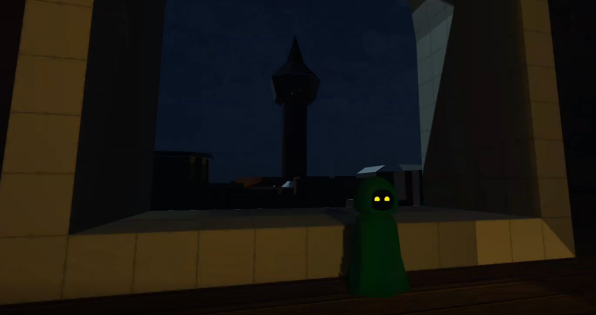
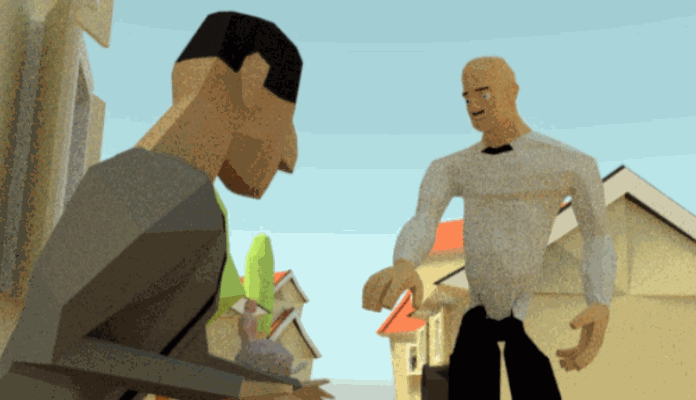
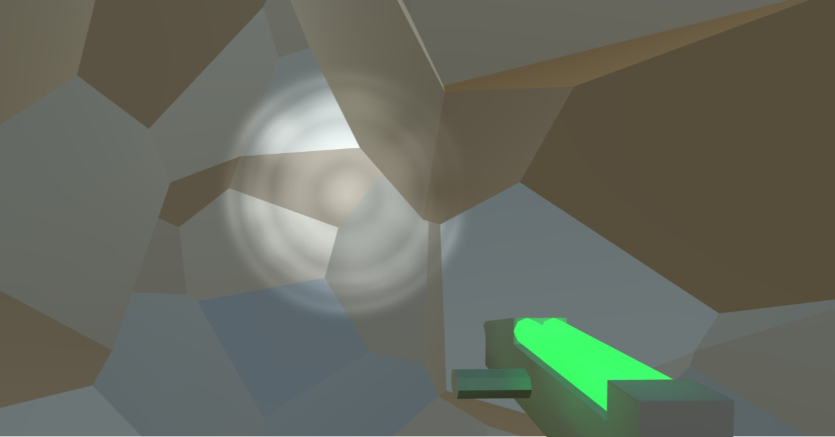
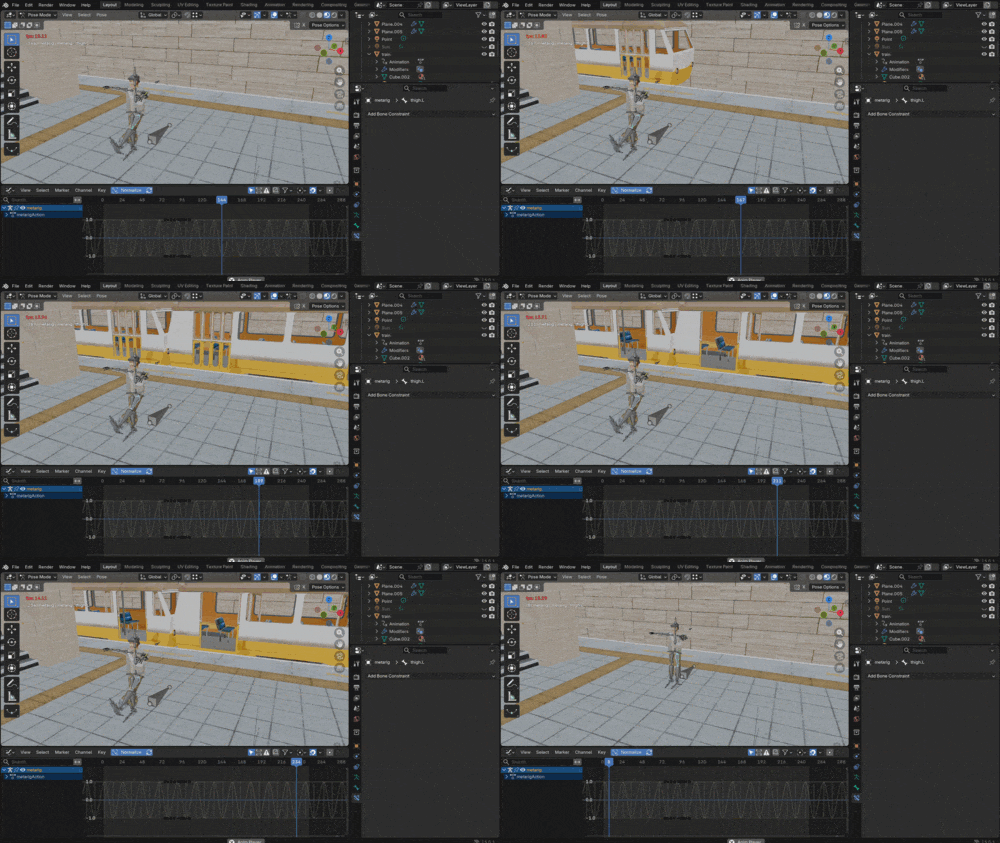
This short but impactful animation was inspired by PS1 low-poly graphics. The authors recreated the style in Blender using low-poly modeling and Voronoi texture modifiers. The animation itself was storyboarded to focus on the aesthetics and environmental storytelling. The sound design was done in Reaper. Through the visual style, cinematography, and audio design, the animation really immerses the viewer into the decrepit metro station where a bum is having a smoke. |
Computer Graphics
|
|
Interactive 2D Fluid Simulation
Henrik Peegel, Jaakob-Jaan Avvo, Ander Pavlov |
|
|---|---|
|
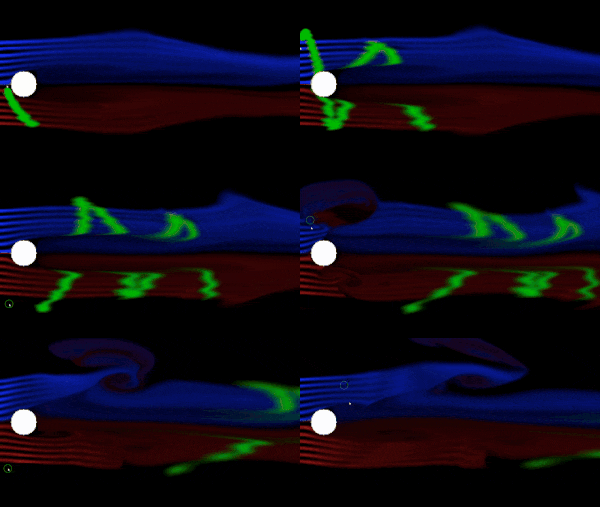
In the Interactive 2D Fluid Simulation project, the authors have used the Navier-Stokes equations to model fluid dynamics. The final application allows for simulated multi-colored fluids to be added and disturbed with a mouse. It is also possible to visualize the vector field to show the fluid movement. The project was rated second best in the Computer Graphics course. |
Computer Graphics
|
|
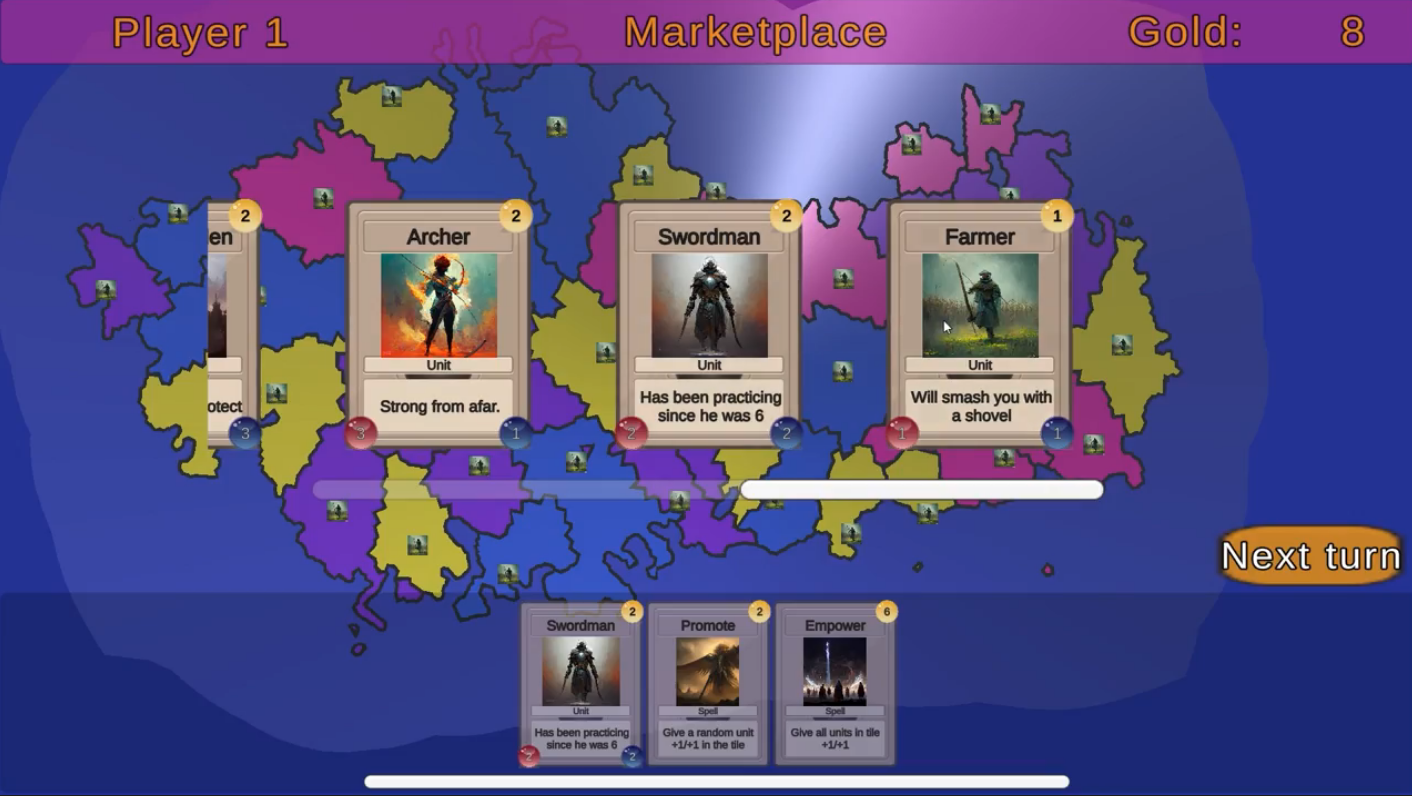
Magnicats
Timofei Šinšakov, Natalja Frantikova, Mikk Vahaste, Märt Kilgi |
|
|---|---|
|
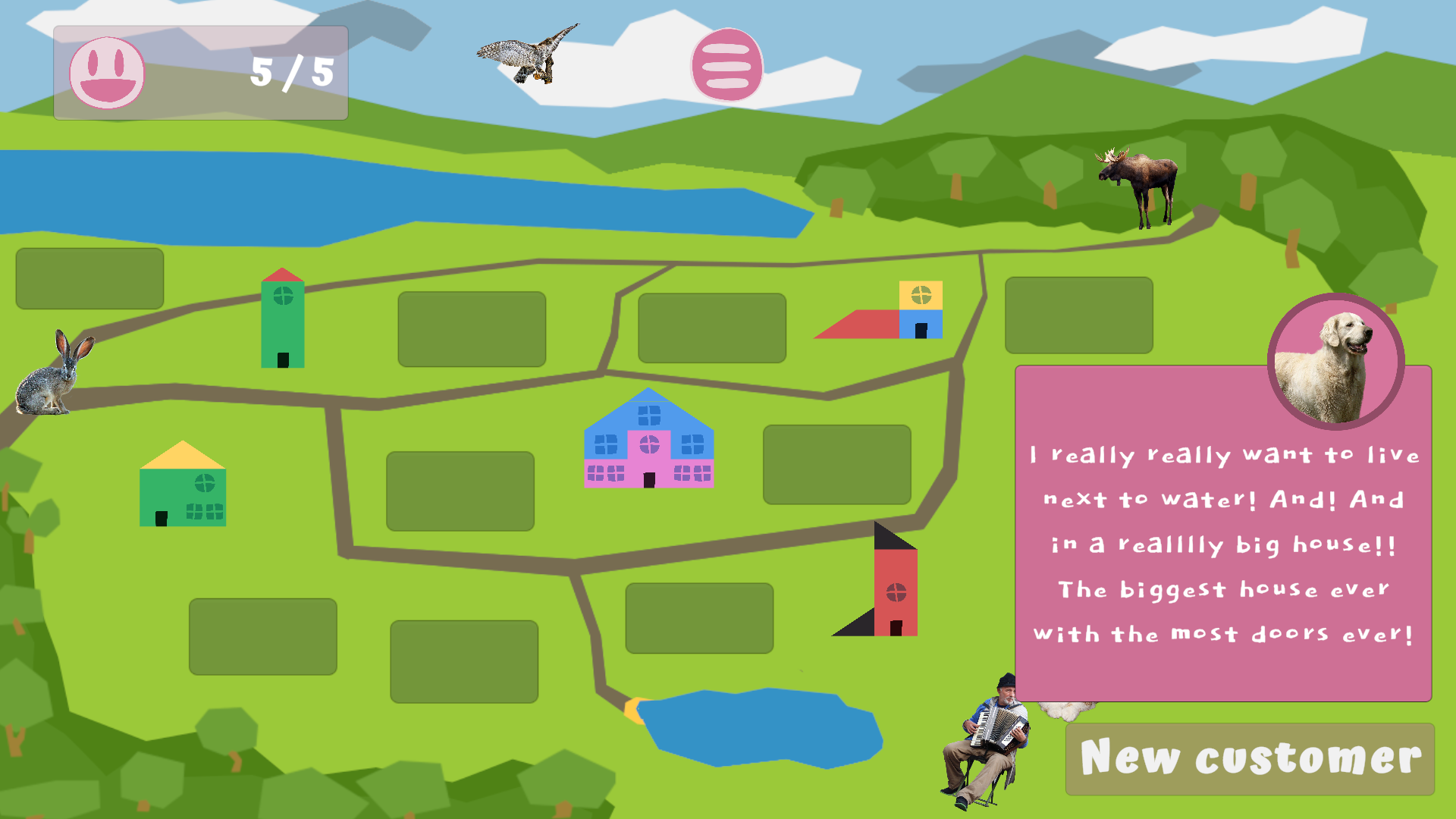
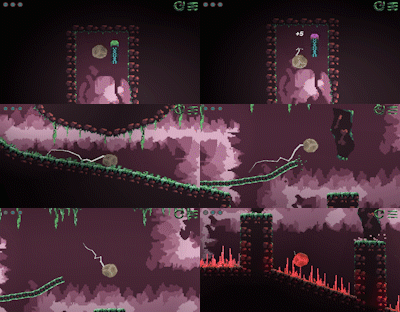
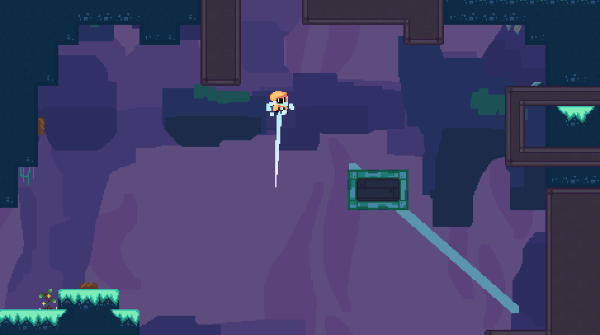
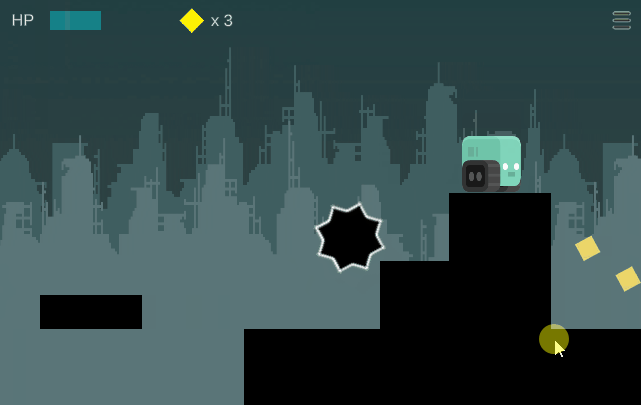
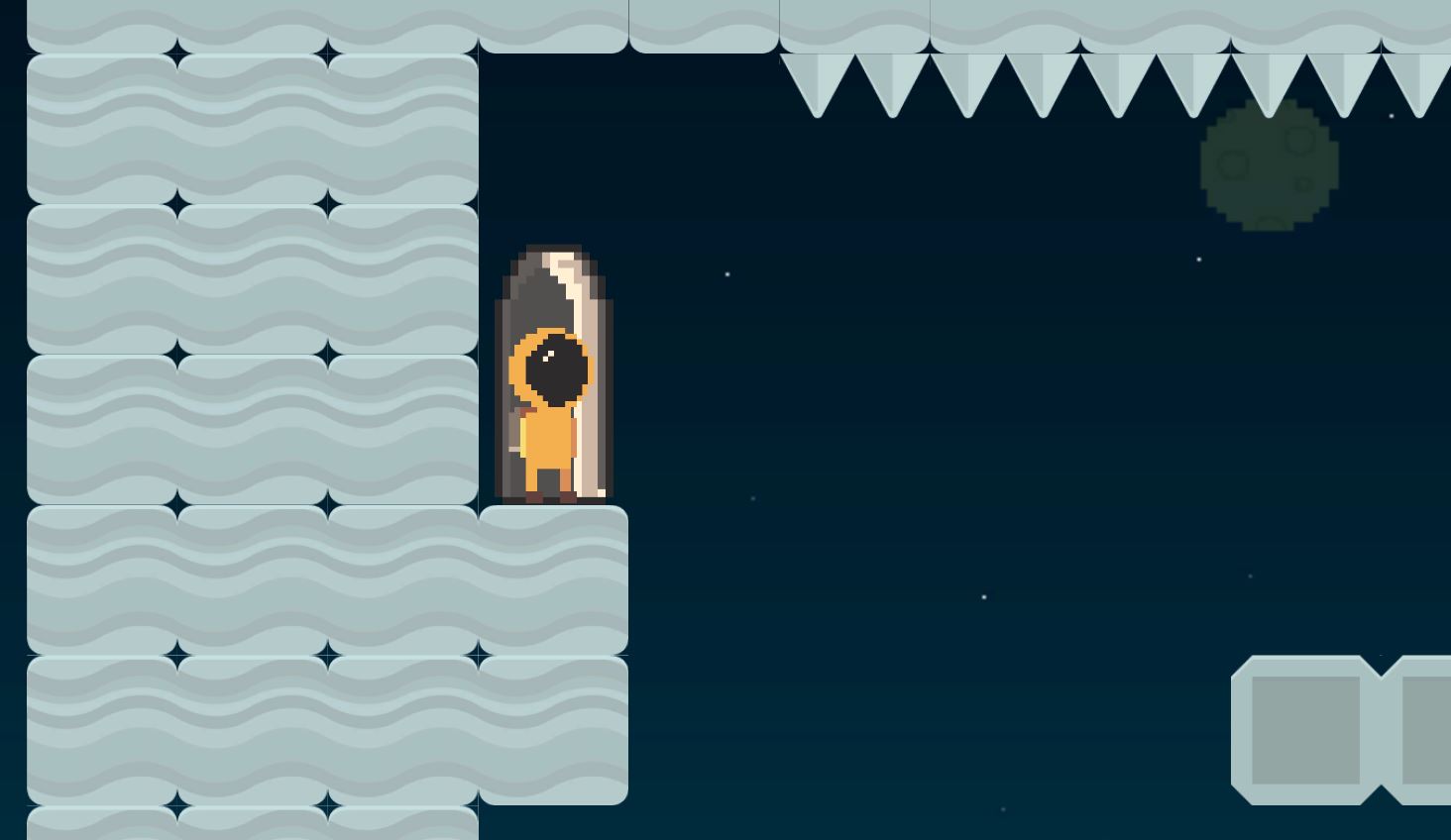
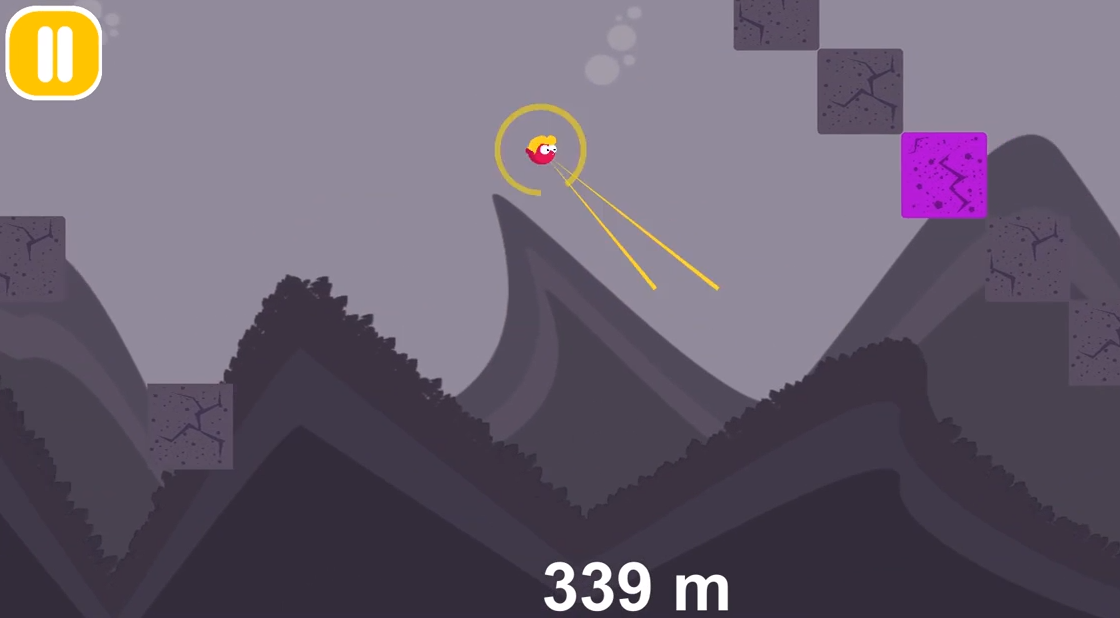
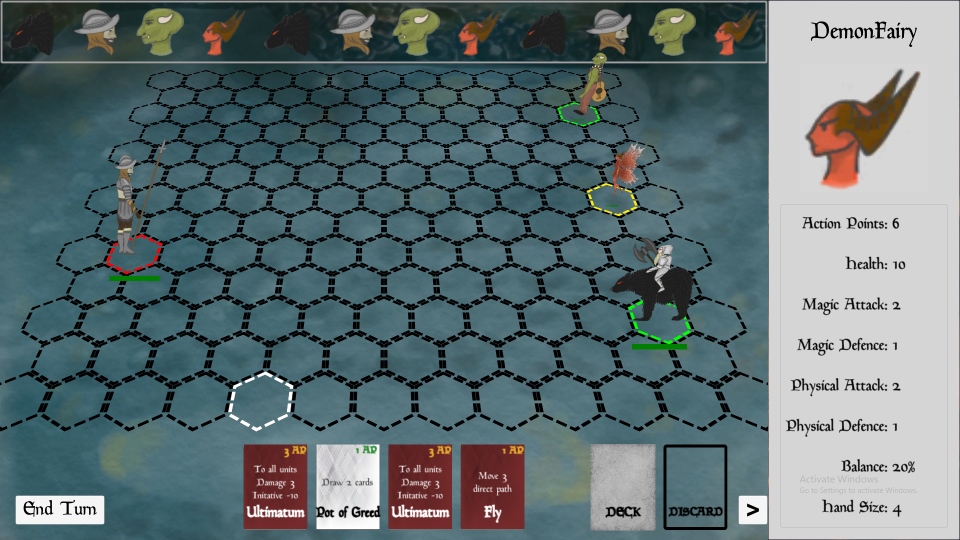
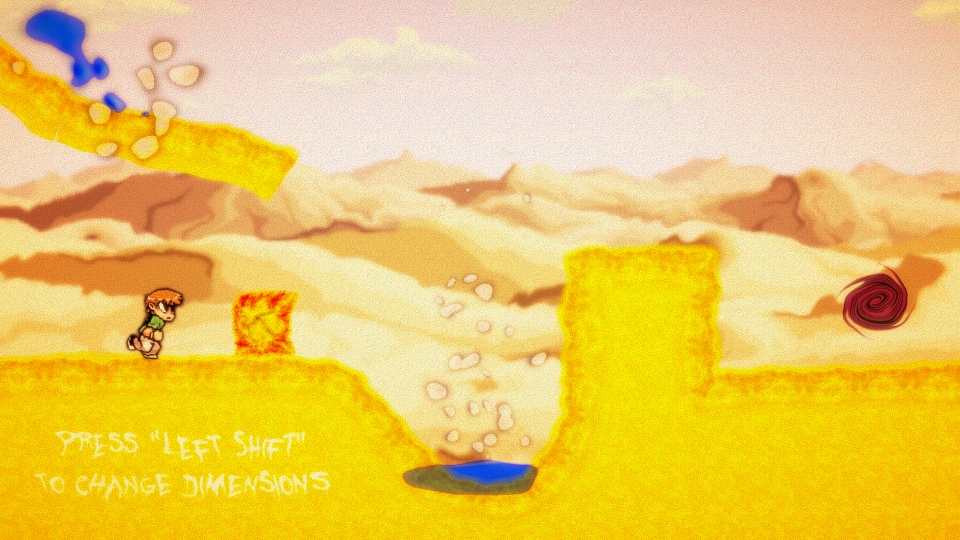
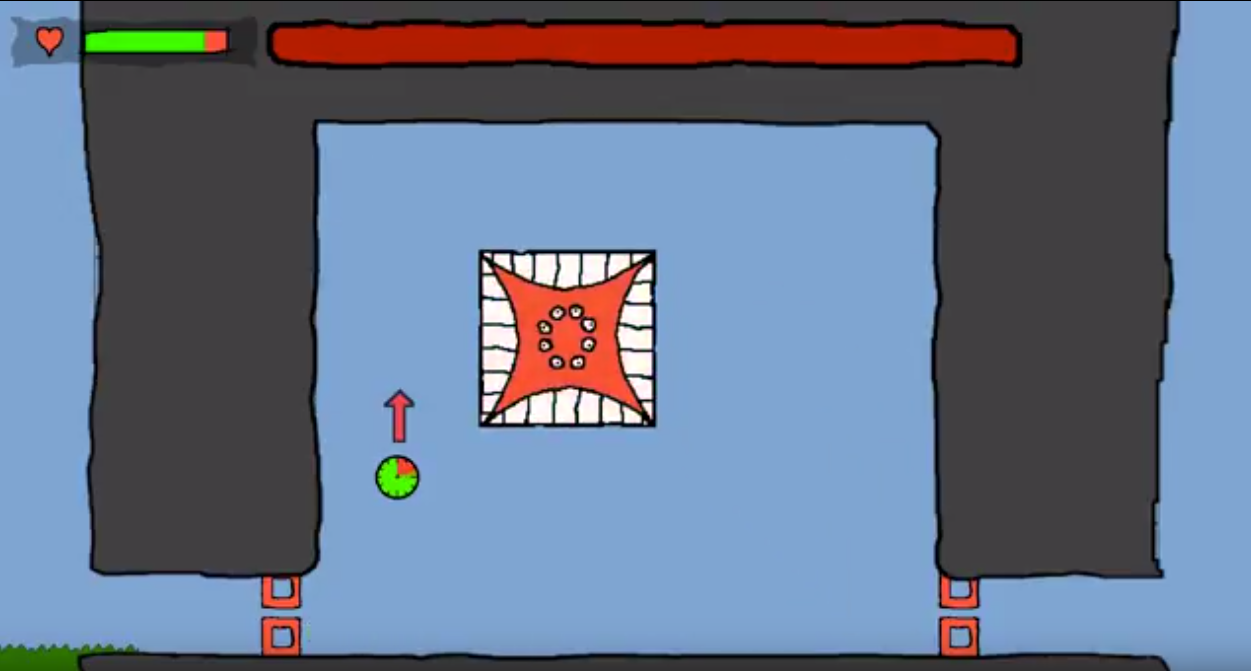
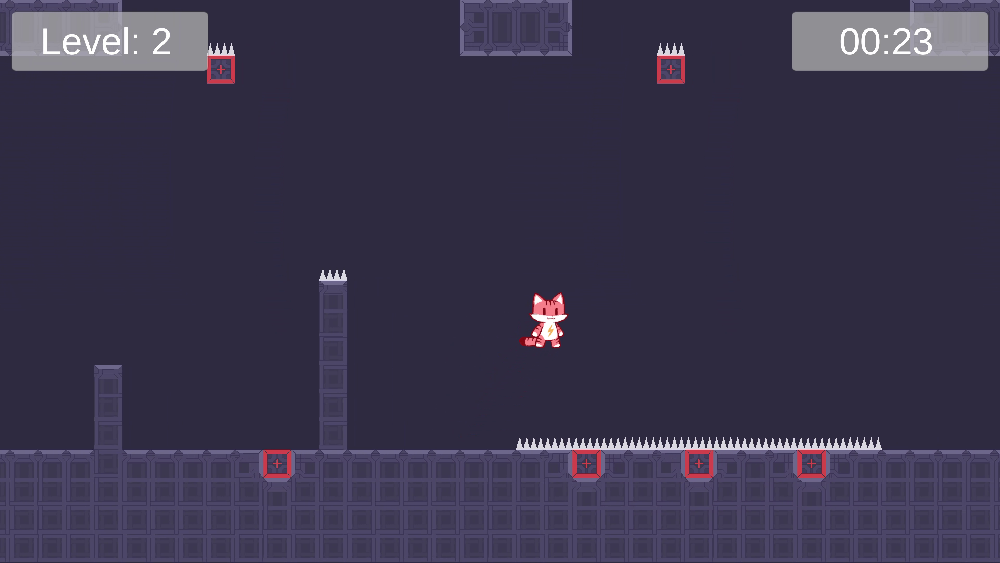
Everyone loves cats. In this game, you play as a cat. But not just any cat. You will be a magnetic cat! Magnicats is a platformer game, where the magnetic fields pull the player character (a cat) in all sorts of different directions. The challenge is to traverse the level through these magnetic fields without falling onto spikes. Cats on spikes are no good. |
Computer Game Development and Design
|
|
Asteroids Quest
Marek Kalda, Daniil Rei, Roland-Carlis Vares |
|
|---|---|
|
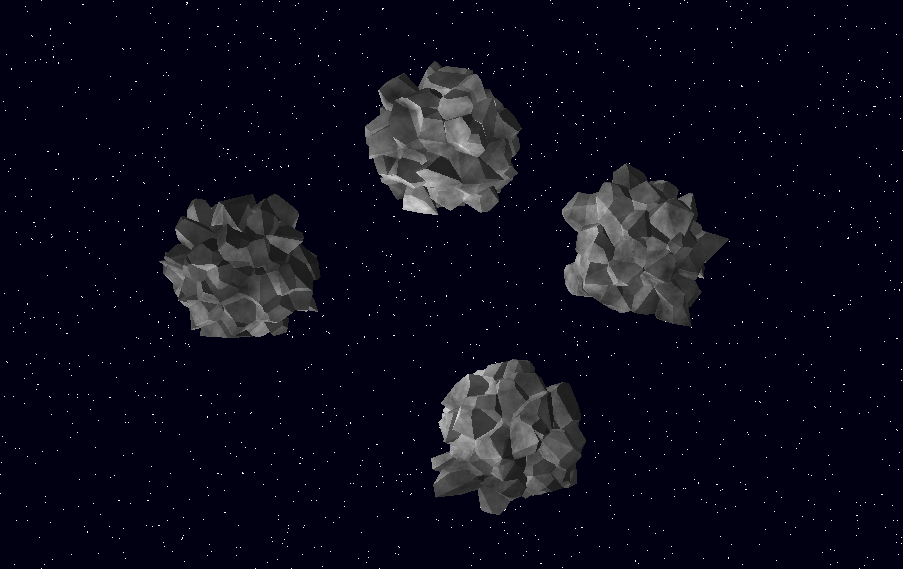
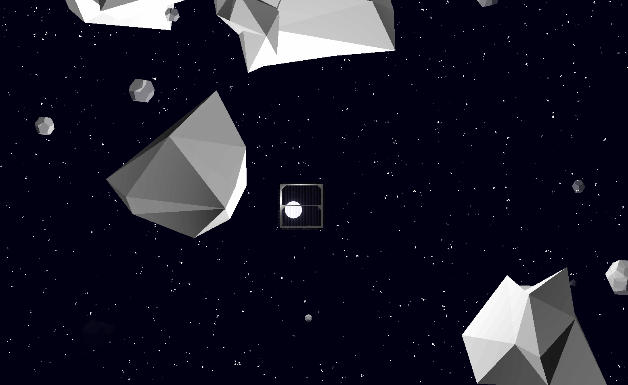
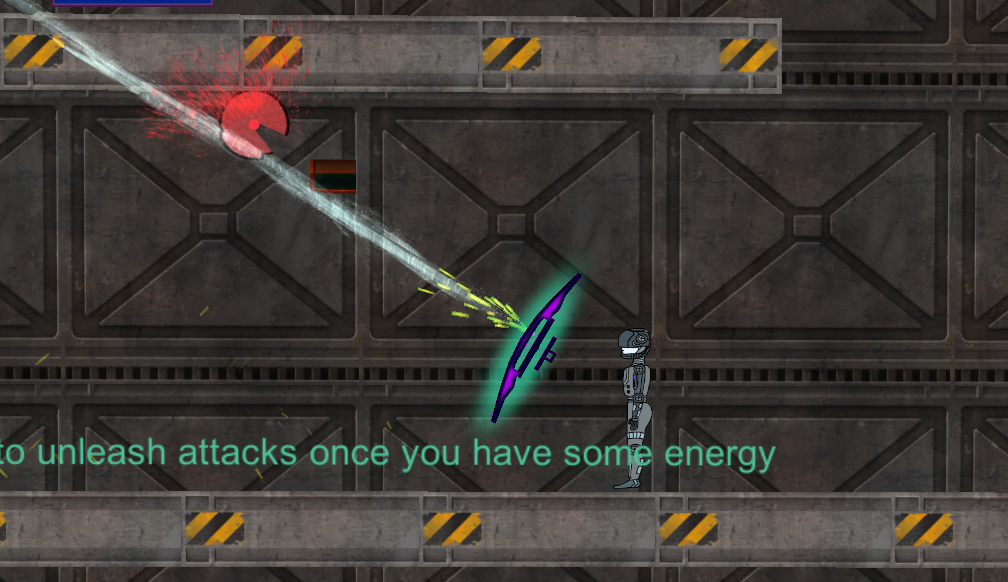
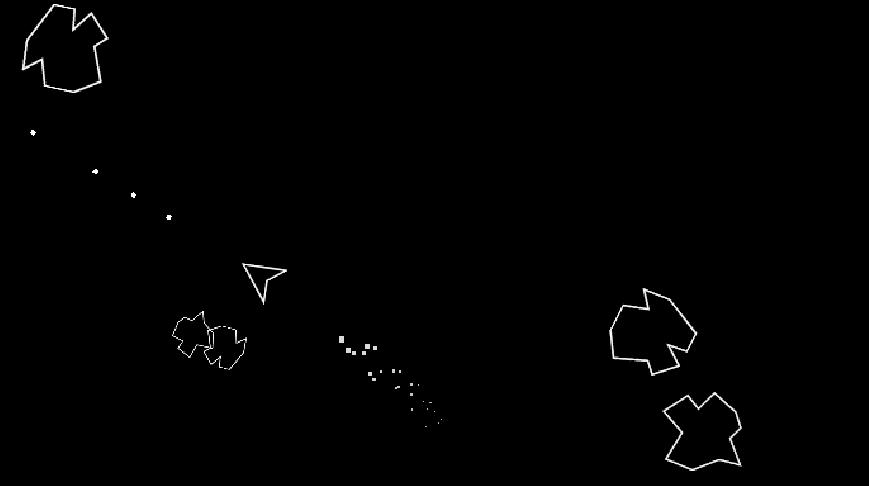
This game presents a simple premise, then pulls the rug out from under you. It is not just an Asteroids game, but rather a complex commentary on video games, and perhaps even the player themselves. Of course, there is also the gameplay, which feels more like an RPG than an arcade game. This is one of the best-written and designed games our students have made in the Computer Game Development and Design course. If you are at all into games, see for yourself by playing it. |
Computer Game Development and Design
|
|
Apotheria: Herbs & Elixirs
Mattias, Erik Ivar Haav, Sanna Mitt, Charlotte Pree |
|
|---|---|
|
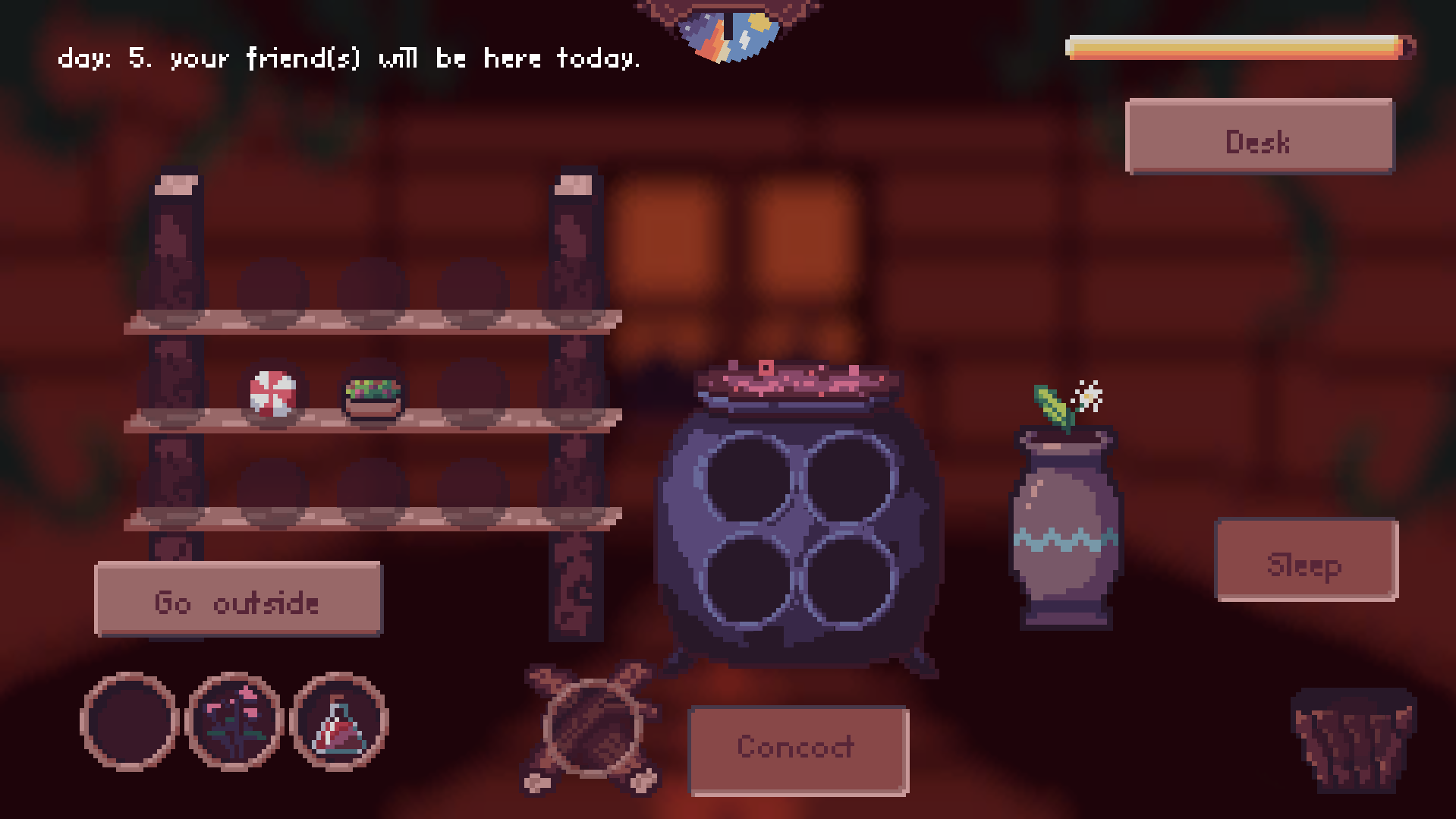
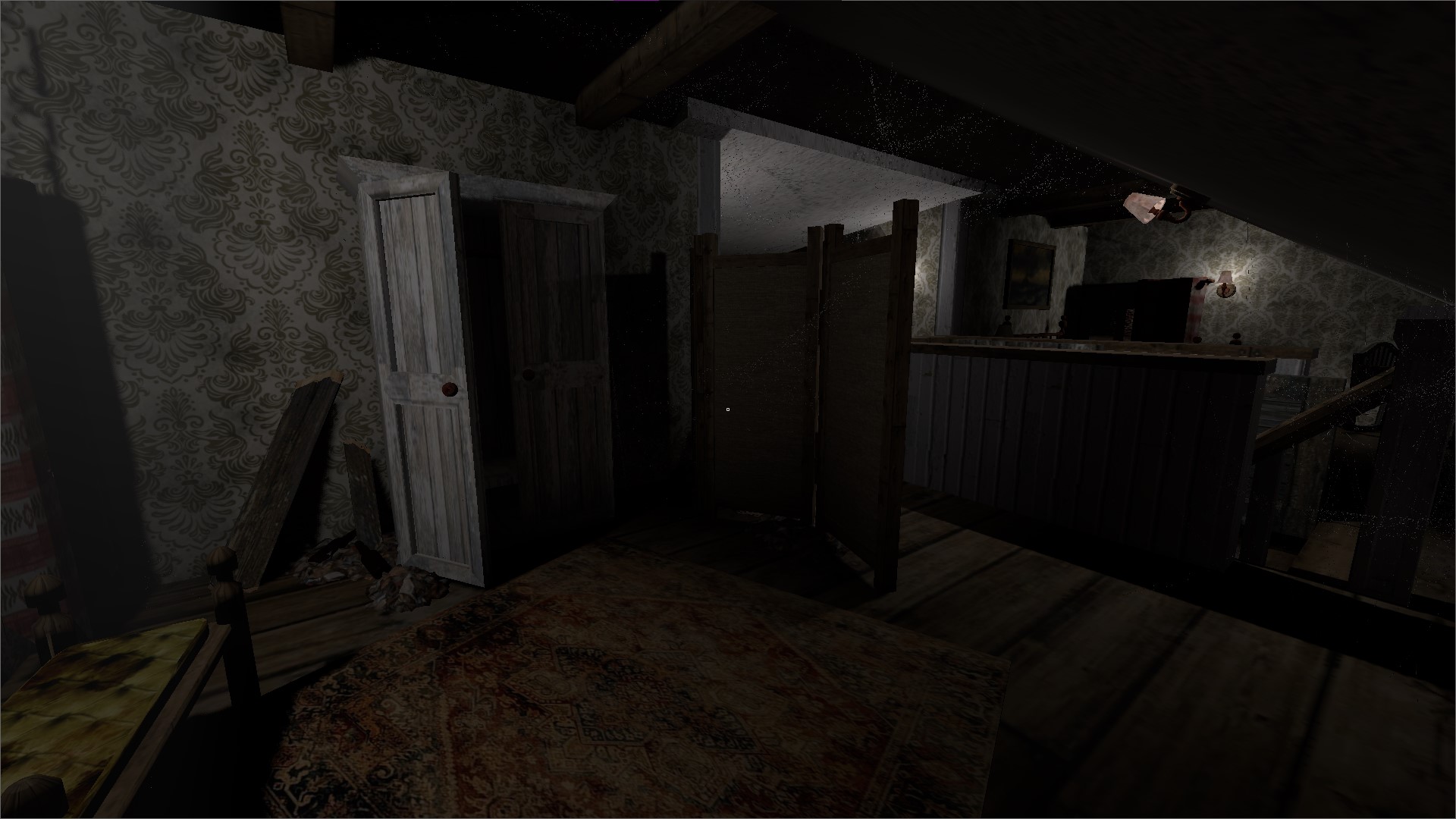
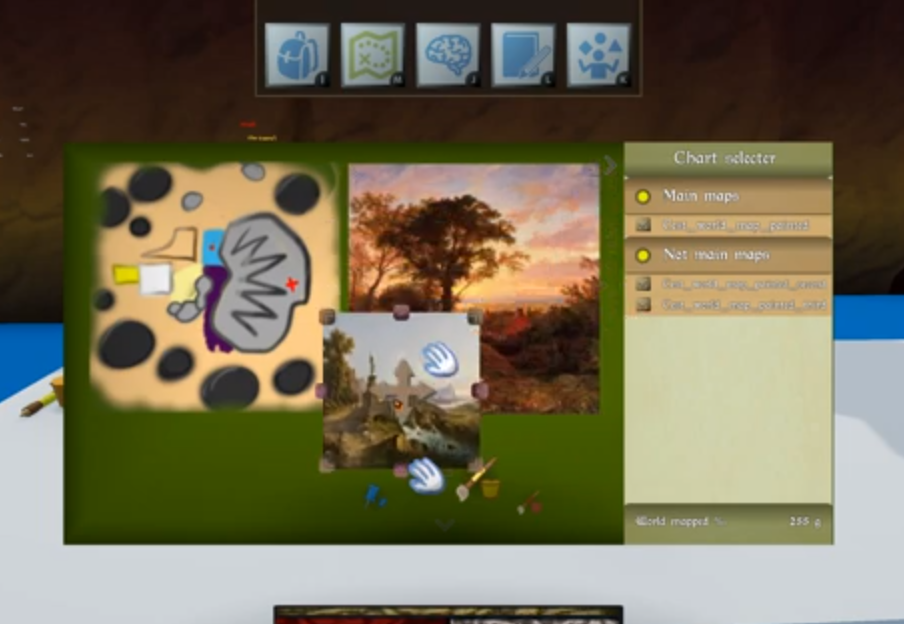
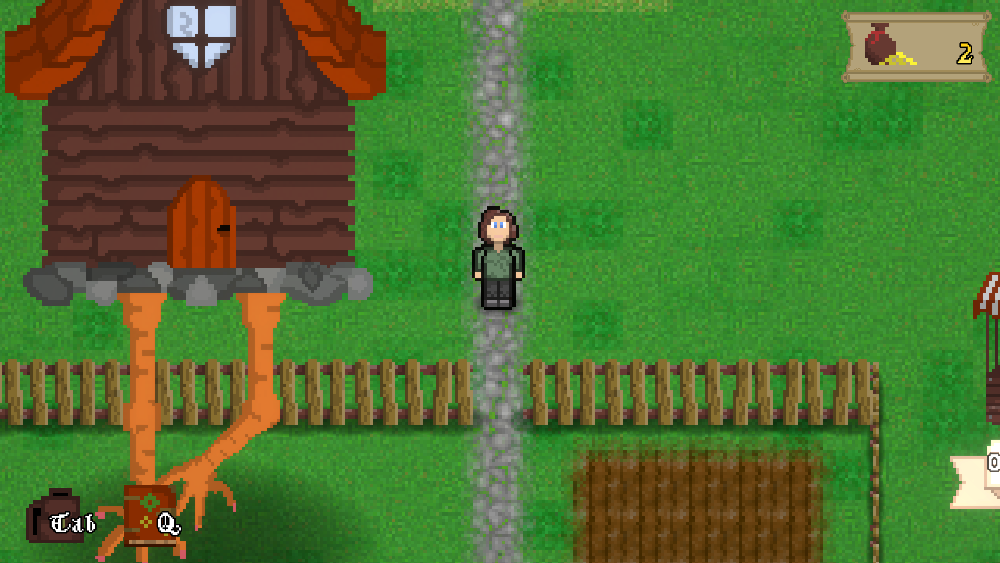
Apotheria is a cozy game. Inspired by Stardew Valley, you plant and gather various plants. Here, the plants are herbs, which you can then use to brew potions. The potions can then be sold to a merchant or to complete quest objectives for seeds of rarer herbs. There are many herbs and combinations, all described in an in-game compendium. Just explore, gather, plant, brew, sell, and spend some cozy time in your witchy Baba Yaga house. |
Computer Game Development and Design
|
|
DinoCave
Andre Poll, Jaagup Sass, Angelina Zhumadilova, Karl Eerik Vaidla |
|
|---|---|
|
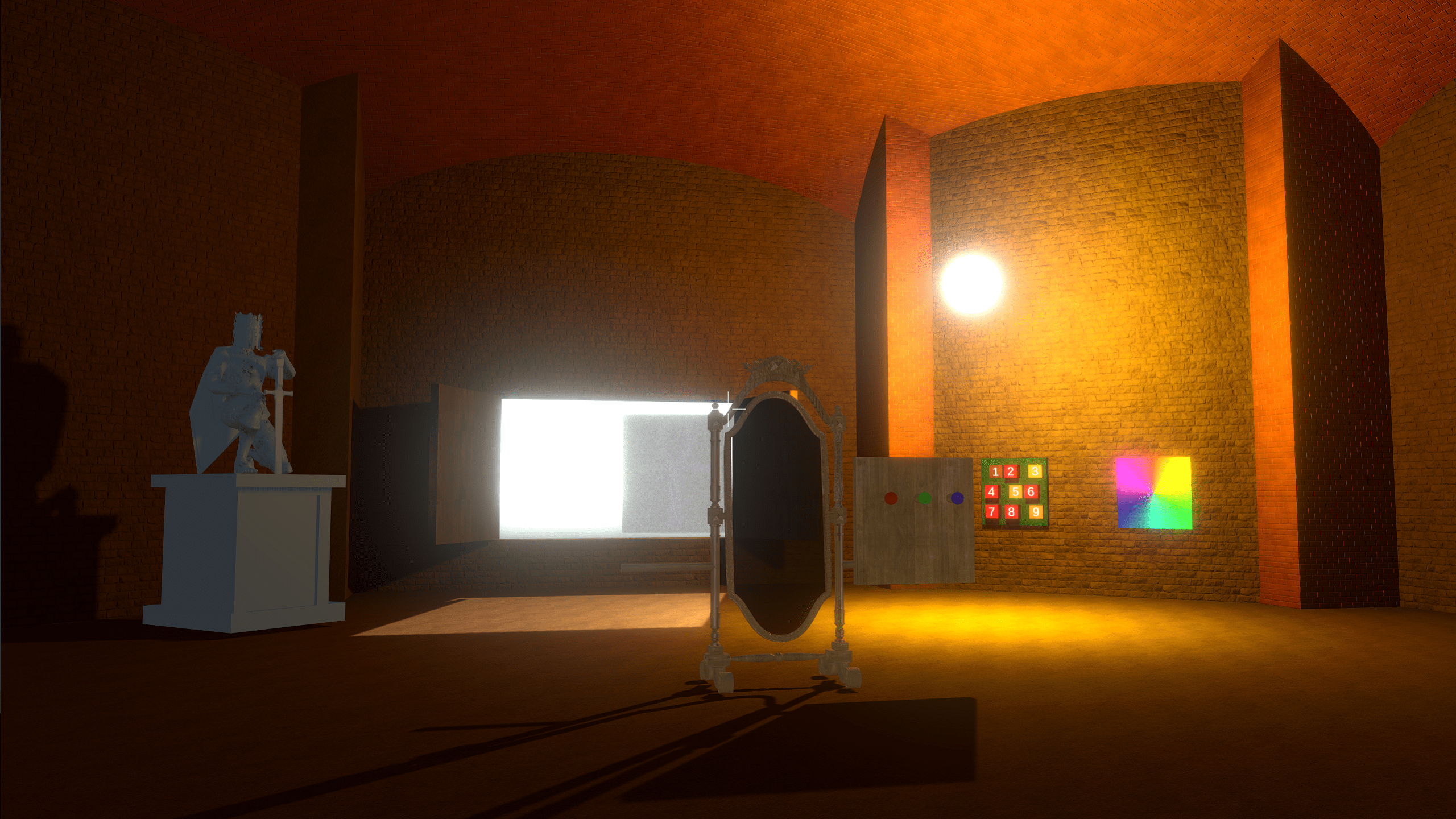
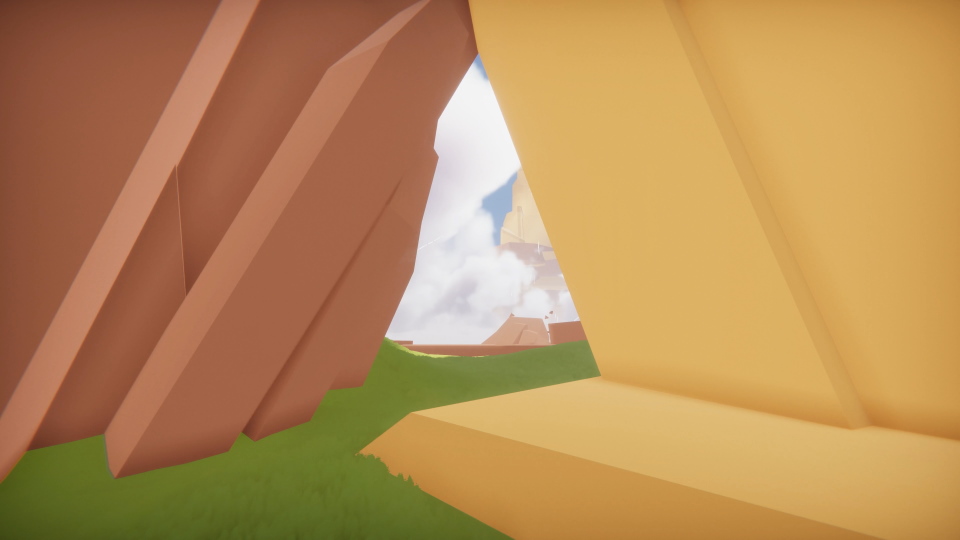
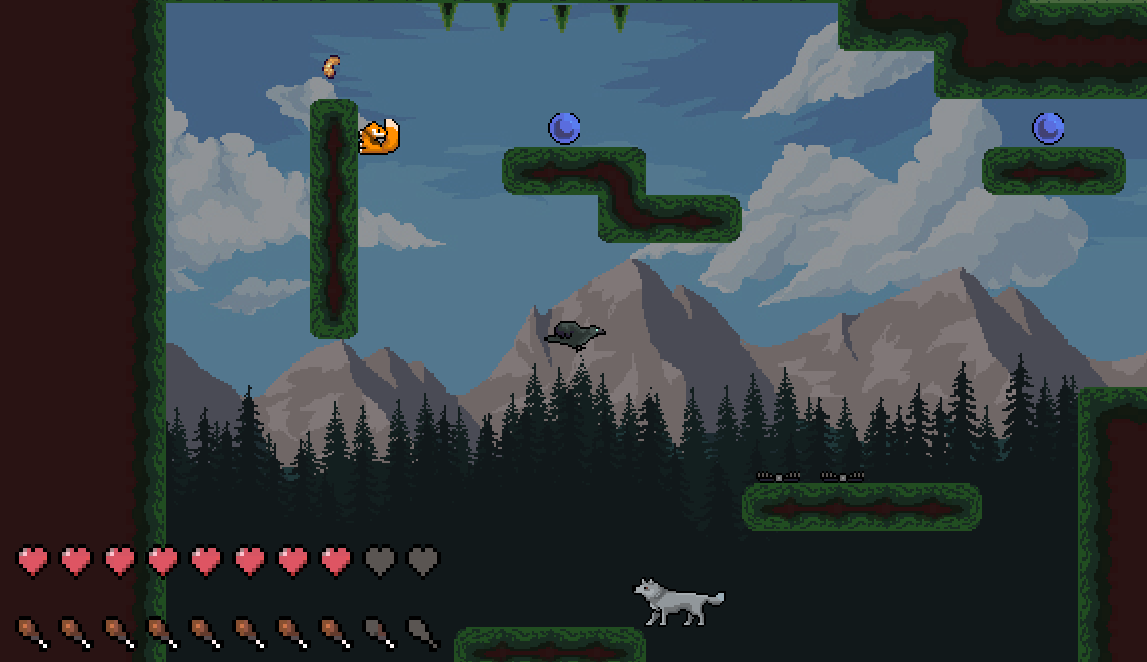
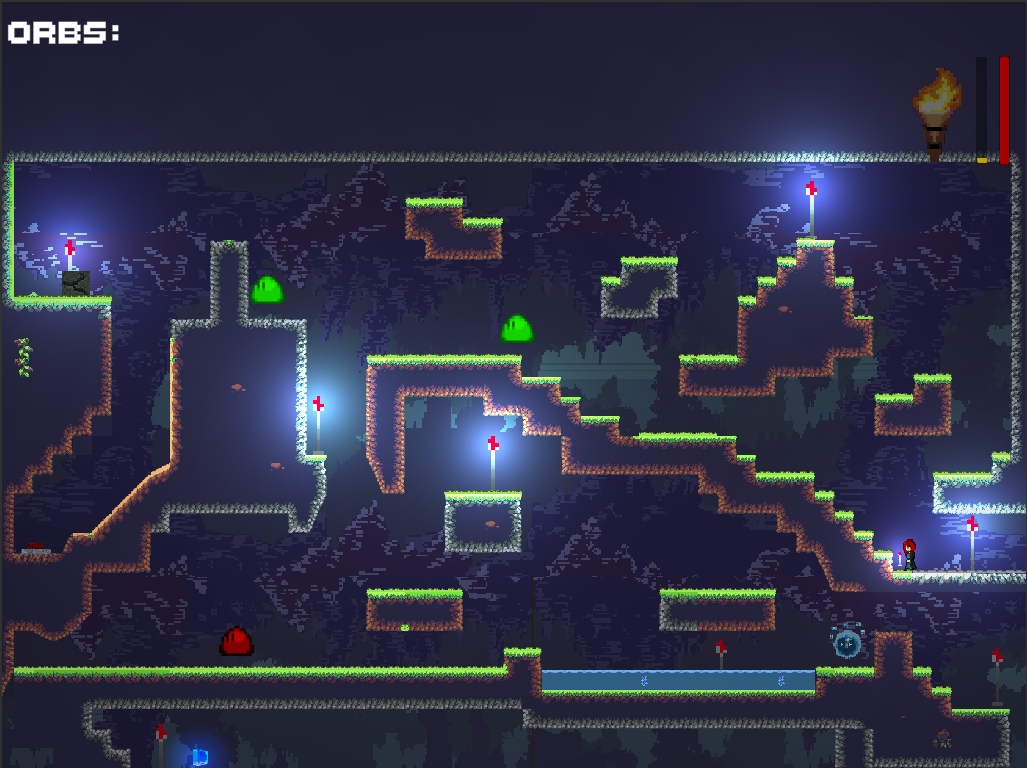
DinoCave is a platformer game set in prehistory. Throughout the cave, there are puzzles that require one of the two main characters – a caveman and a dinosaur – to use their special abilities. Similarly, the player has to choose which of the characters to buy upgrades for. The dinosaur is strong but huge, and the caveman is small but nimble. This provides a good variety of gameplay and puzzle-solving approaches. |
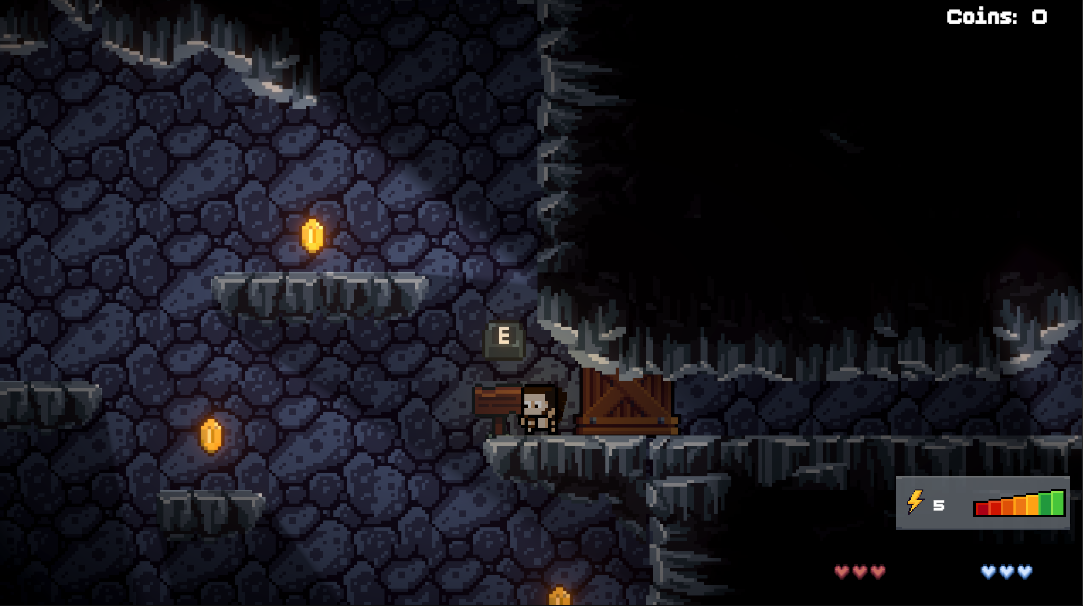
Computer Game Development and Design
|
|
Beach Comb
Alexandra Voit, Liselle Velner, Erik Kippus, Mark Tarnovski |
|
|---|---|
|
A beach can be much more exciting than it first may seem. People leave or lose all sorts of things at the beach. There are also all sorts of people there, some looking to have a regular good time, others with an unorthodox understanding of what a good time is. In Beach Comb, the player character uses a metal detector to uncover some very interesting items buried under the sand. Interacting with the NPCs reveals some interesting stories about how those things might have ended up there or how to use them to get further on the beach. |
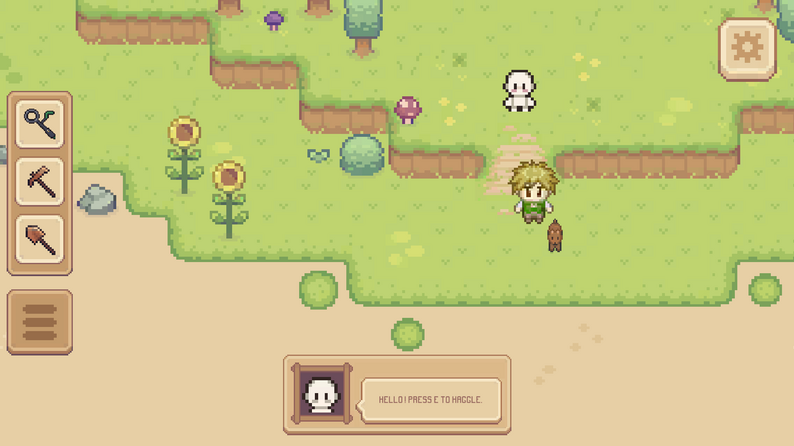
Computer Game Development and Design
|
|
DeltaVR Improvements
Ranno Samuel Adson |
|
|---|---|
|
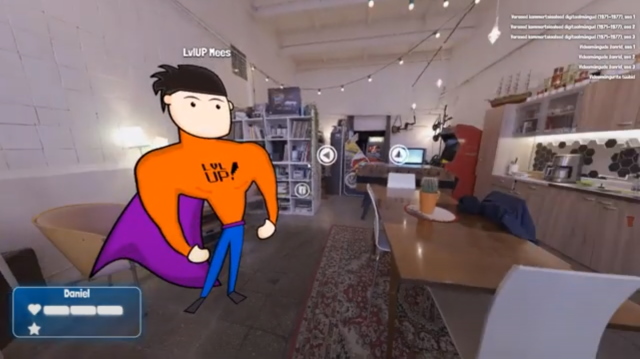
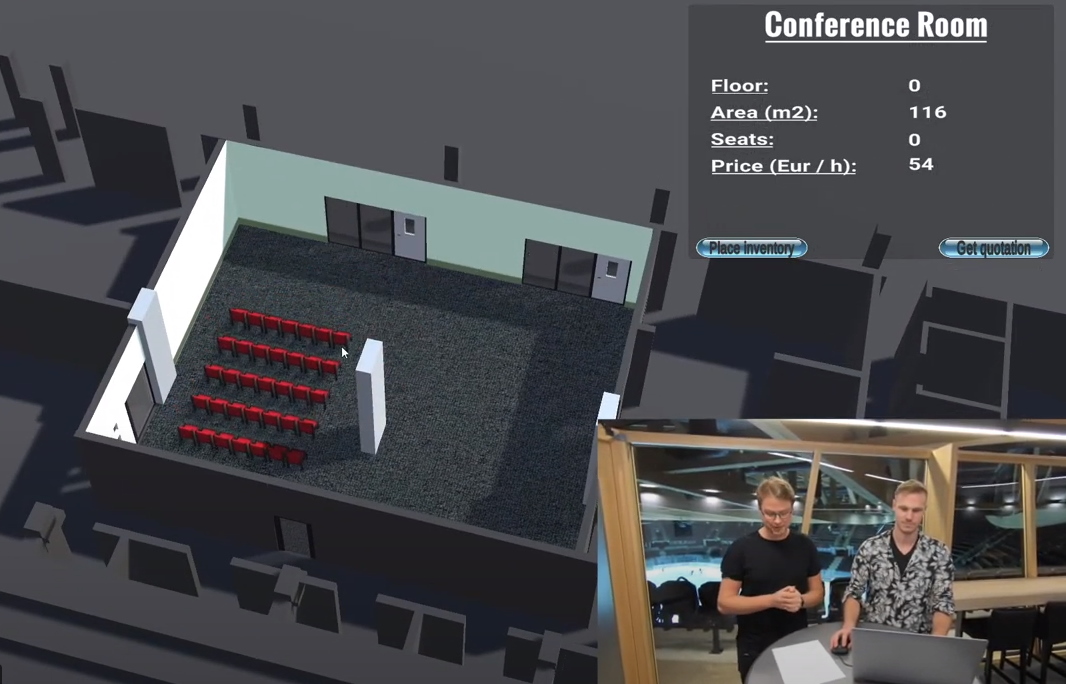
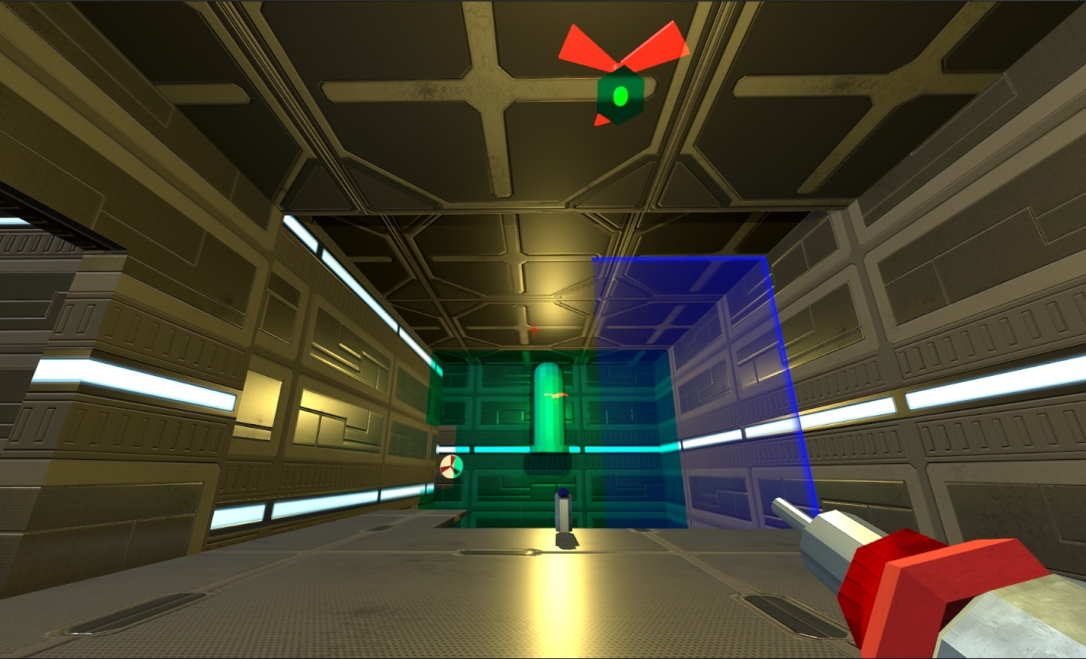
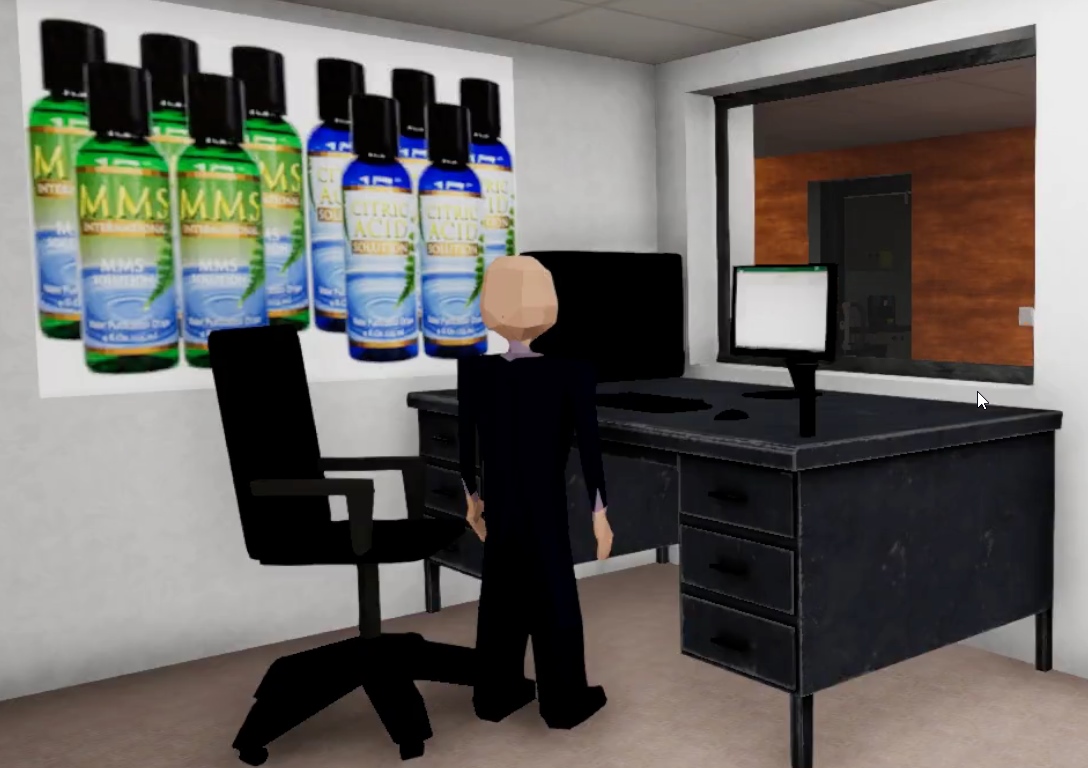
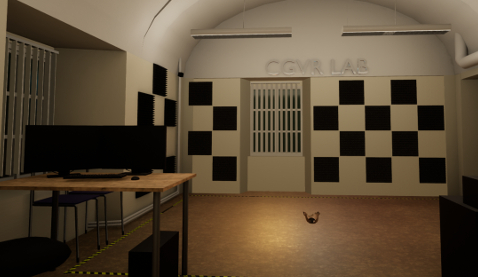
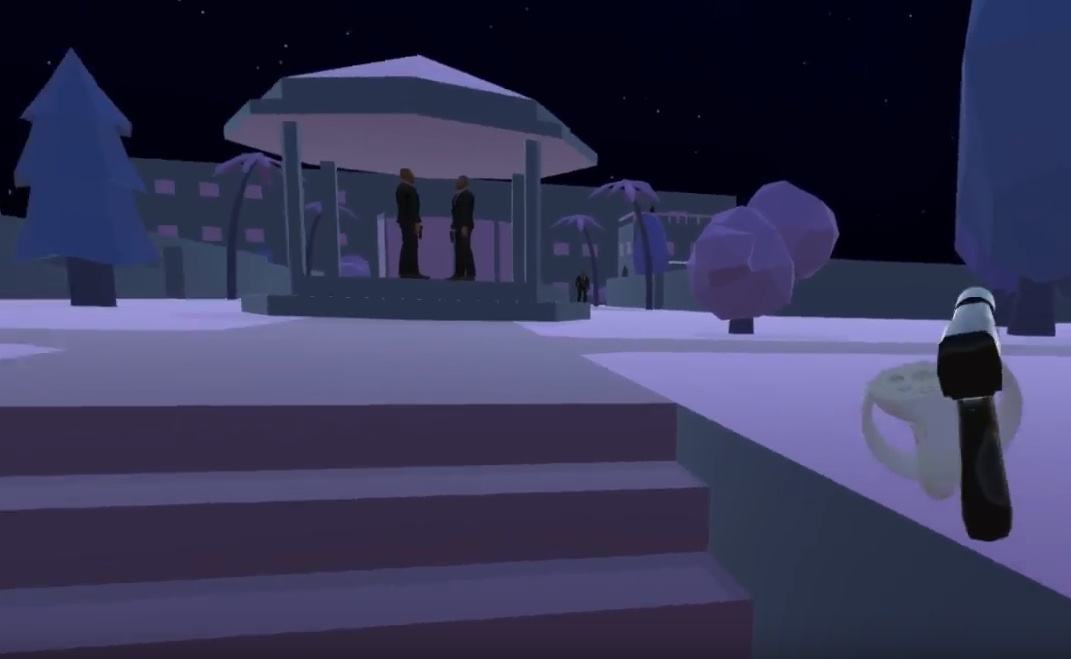
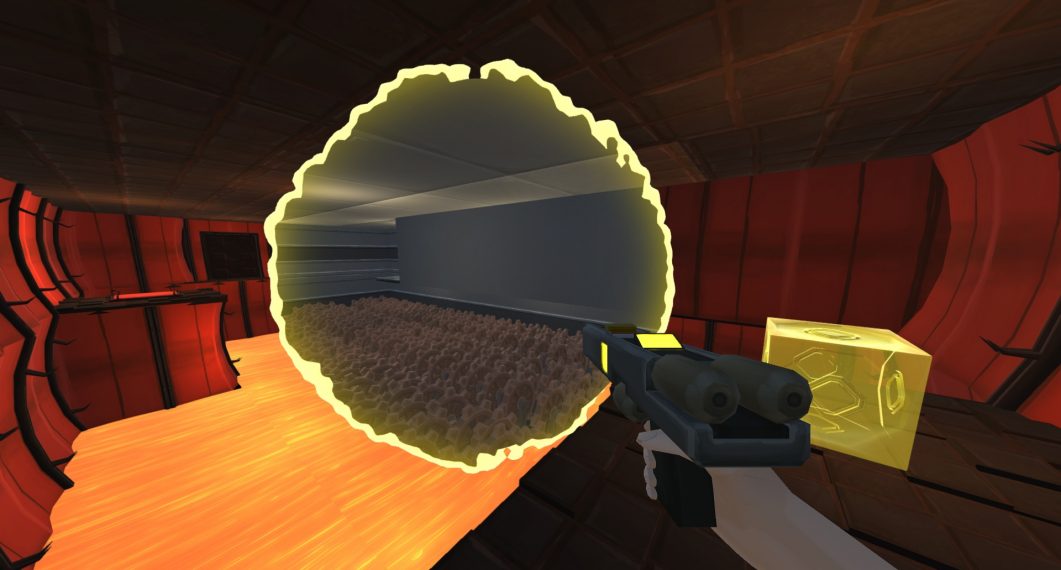
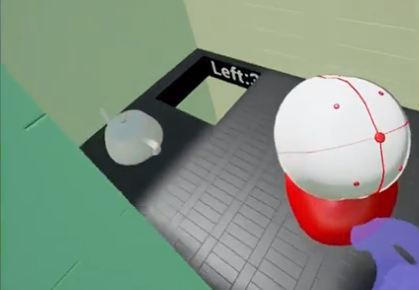
DeltaVR is a large virtual reality environment of the Delta building. During the Computer Graphics Project course, Samuel Adson improved several aspects of the environment and microinteractions. Among those were a simpler GUI to start the experience, resolving several issues with the model colliders, fully working elevator interactions, and fixing networking issues that crept in during recent DeltaVR development. |
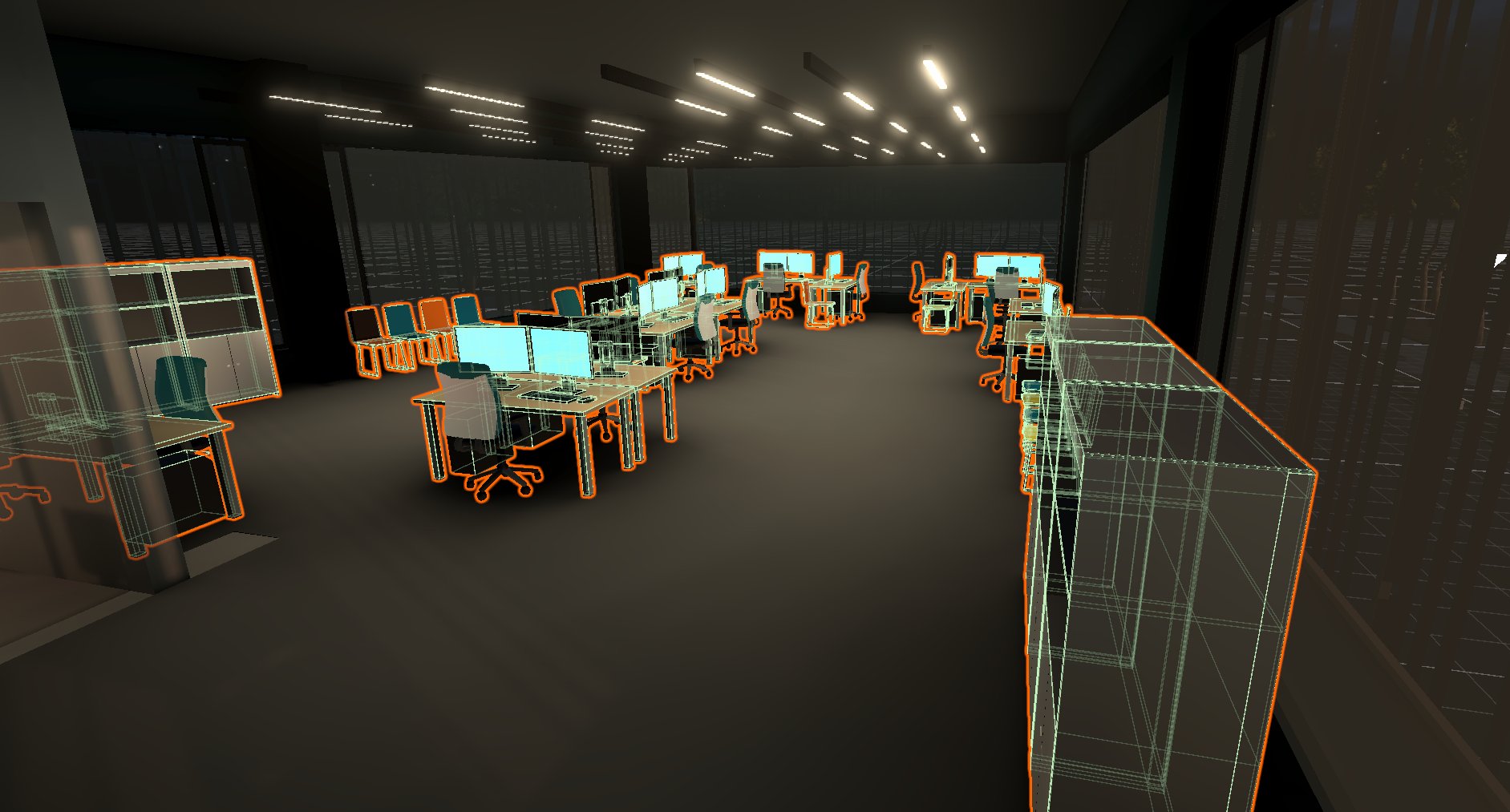
Computer Graphics Project
|
|
Ink & Echoes
Fedir Kyrychenko |
|
|---|---|
|
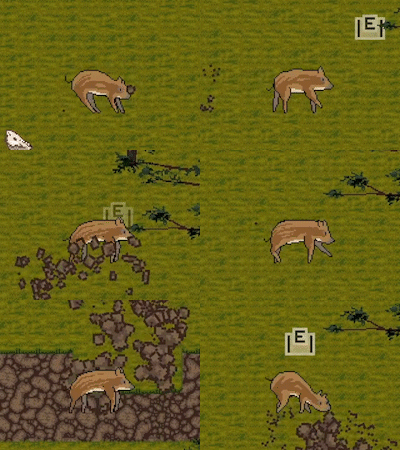
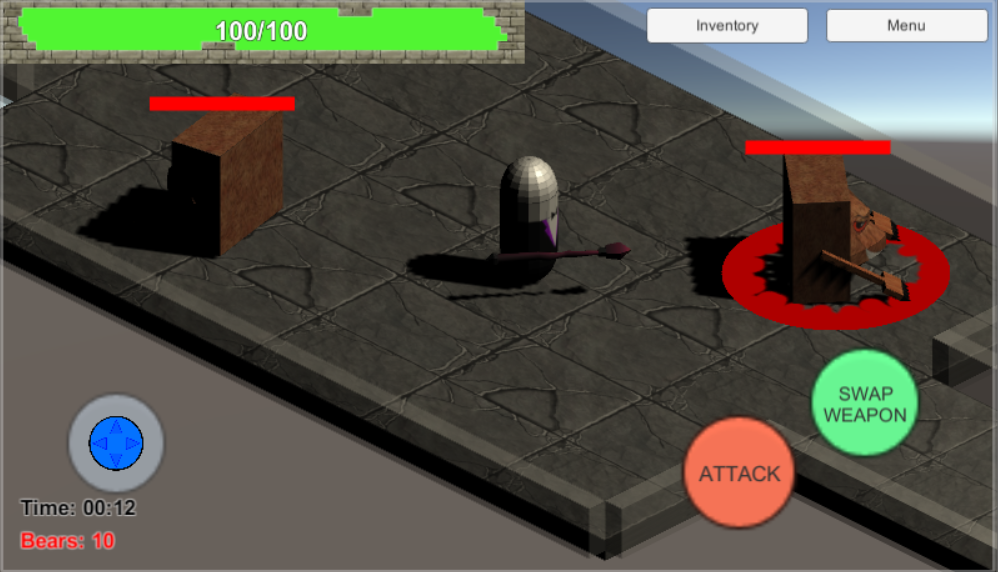
This is a small top-down puzzle-adventure game. The twist is that the main character has ADHD and, thus, time moves differently for them. The puzzles are designed around the idea that the world moves only when the main character moves. They can also stop time. The game has ten different levels of challenging time-based puzzles. |
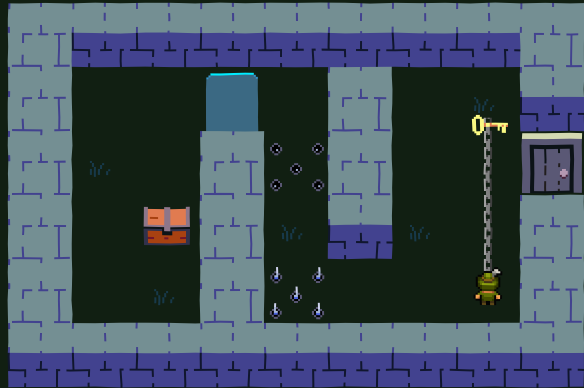
Computer Graphics Project
|
|
Untitled MIDI Project
Henri Maandi |
|
|---|---|
|
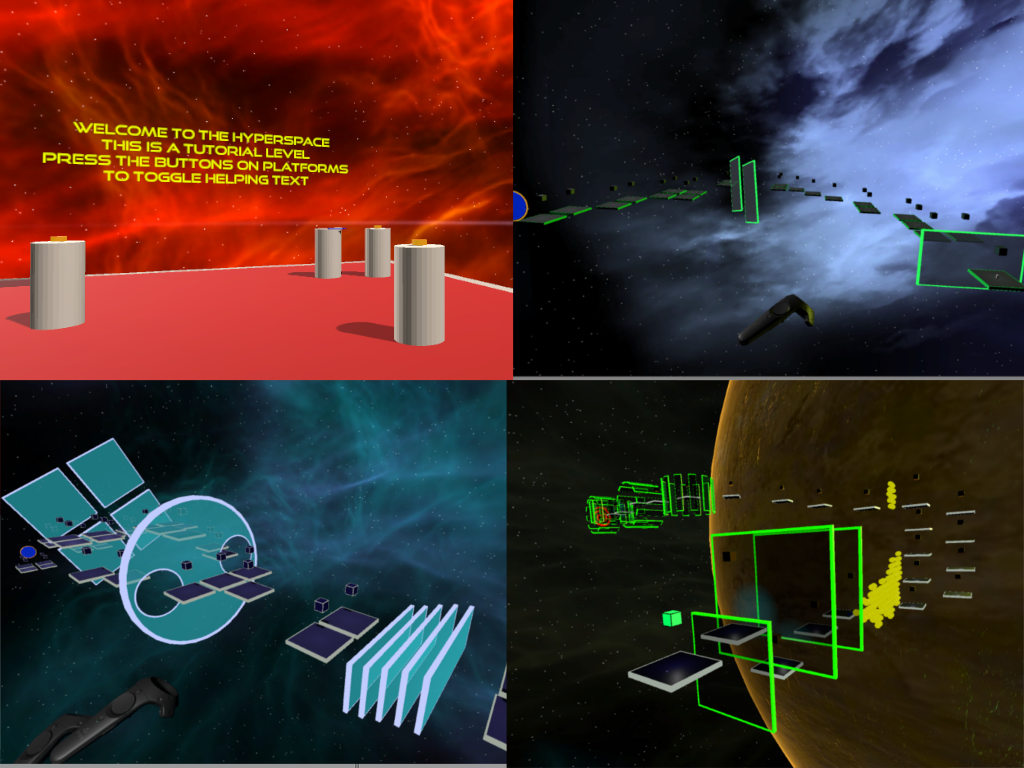
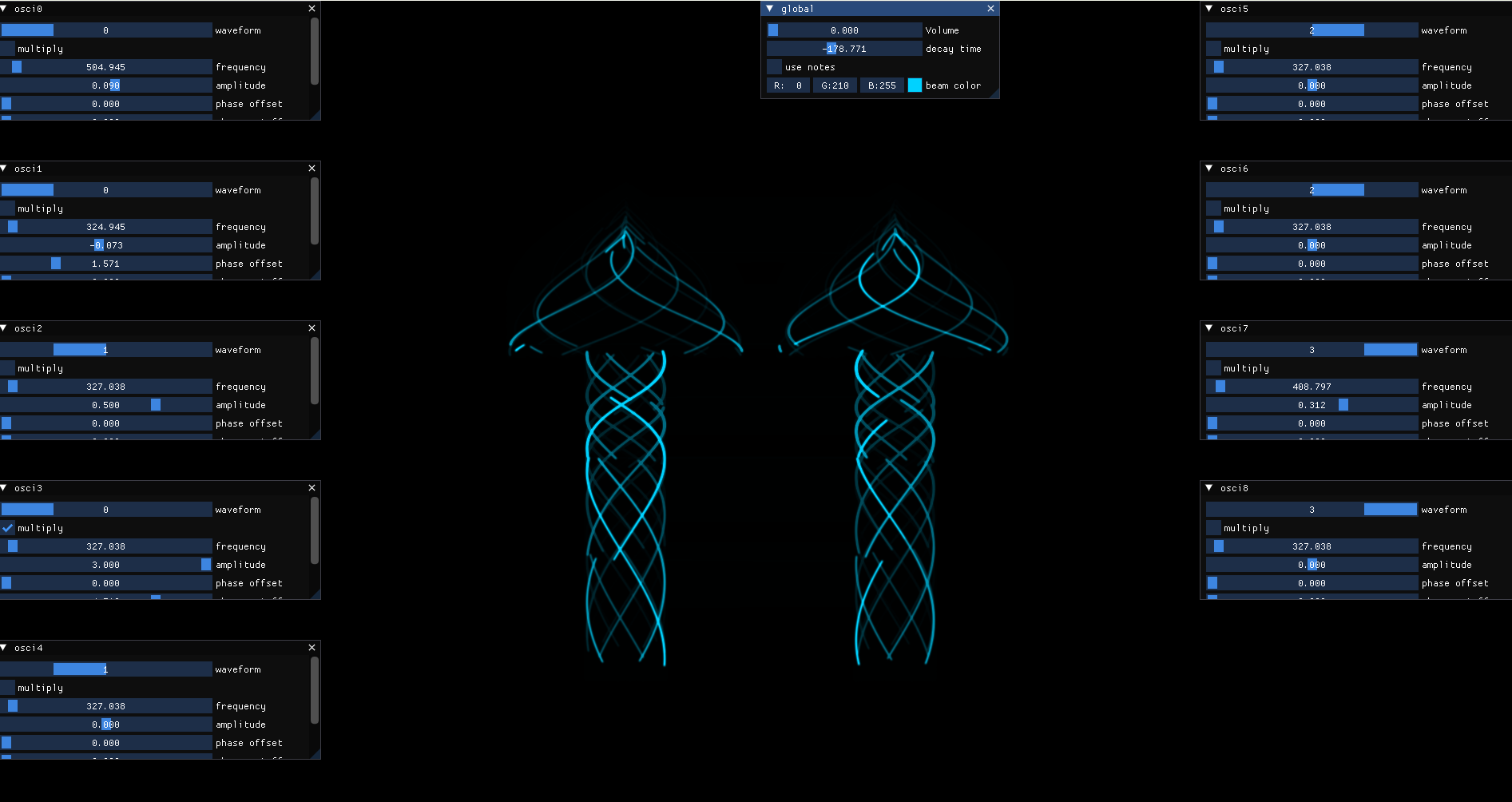
This project visualizes data from MIDI streams like the one coming from an MPD 240 MIDI controller. The data is visualized via triangle and square wave oscillators with controls to change the waveform, operation, and phase of the visualized waveform . The project is implemented in C. |
Computer Graphics Project
|
|
Nullis
Veronika Kukk |
|
|---|---|
|
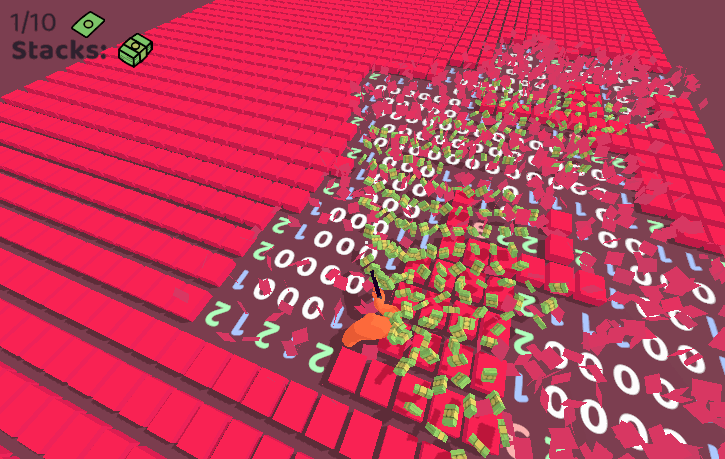
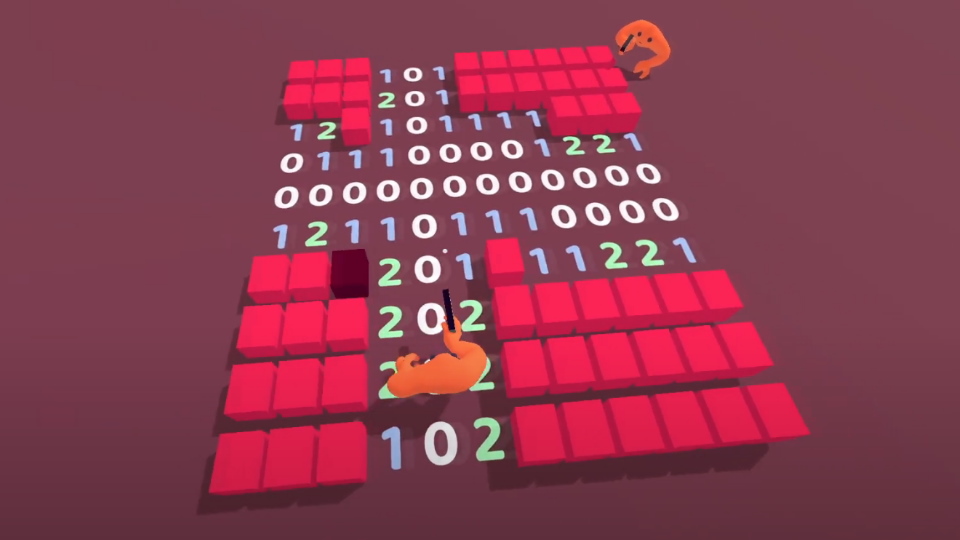
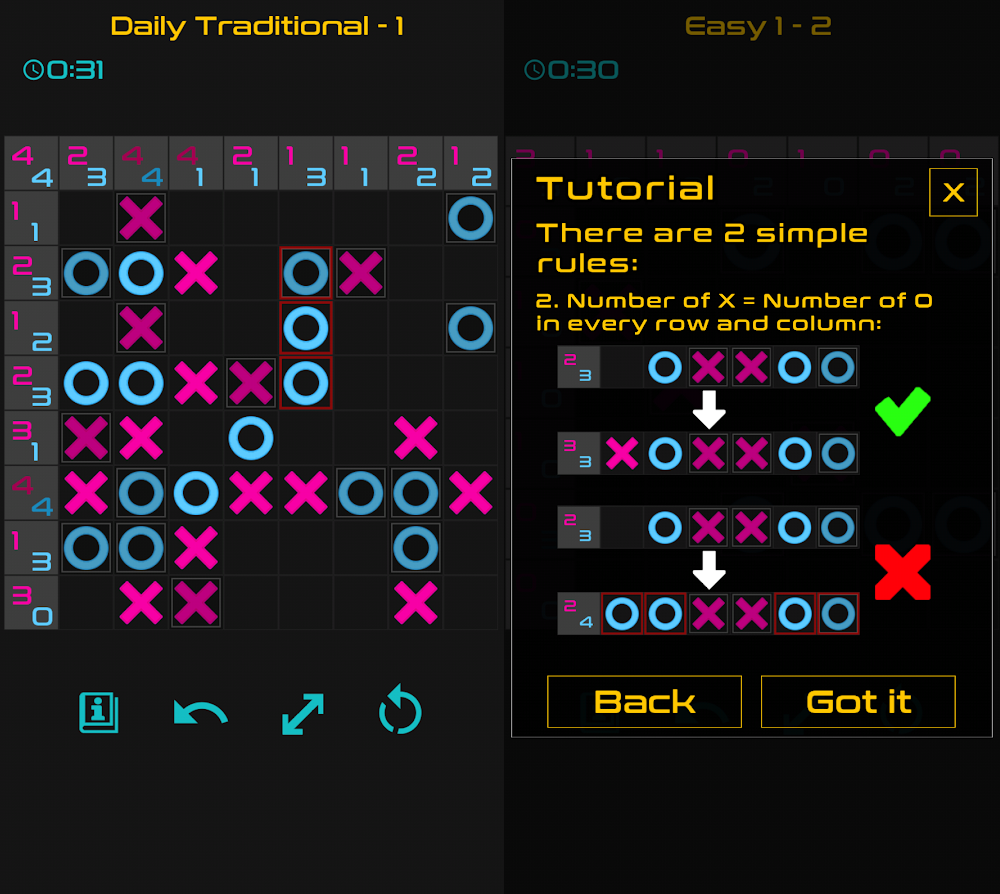
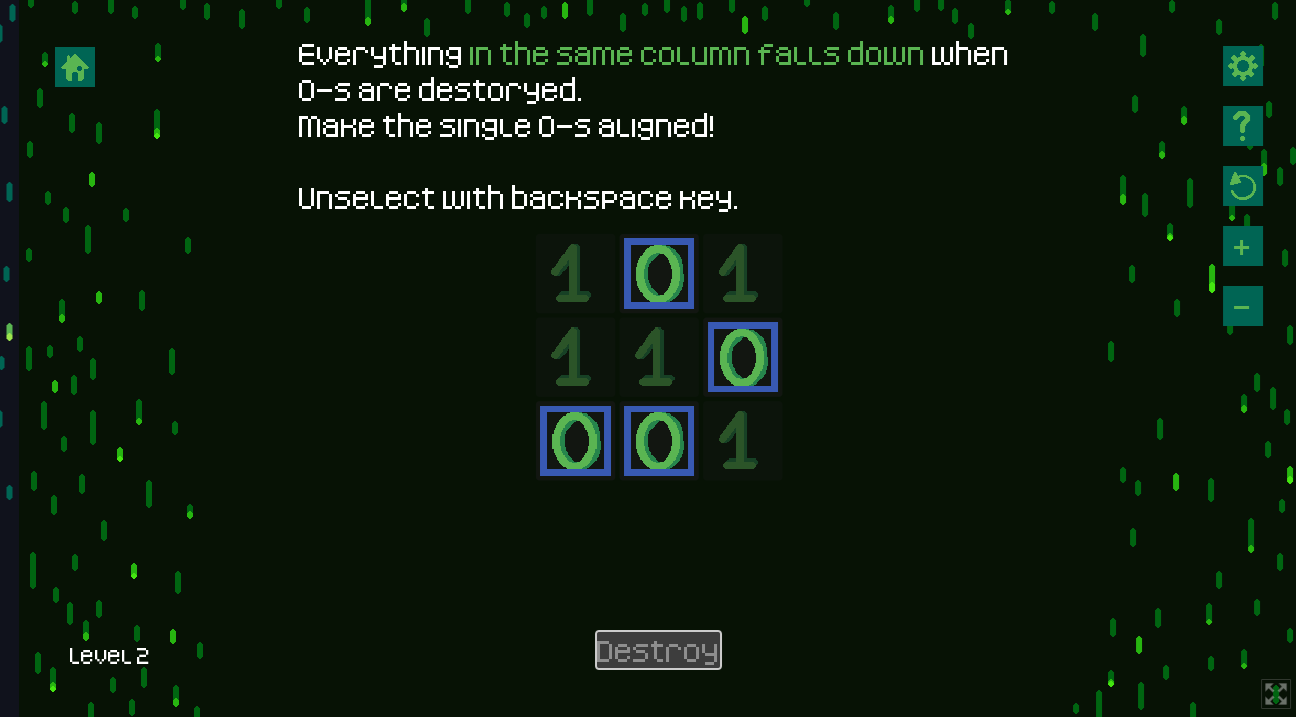
In the mind-tickling puzzle game of Nullis, the player has to get rid of all the zeroes in the playing field. This is achieved by destroying sequences of neighboring zeroes. The other numbers always fall down to empty slots, so it is important to plan ahead which zeroes should be destroyed first. The game was enhanced during the Computer Graphics Project course and participated in the Student Project Contest. |
Computer Graphics Project
|
The Computer Graphics and Virtual Reality Lab at the Institute of Computer Science, University of Tartu, Estonia provides video game development, virtual reality (VR), and computer graphics education both inside and outside the uni and a study place for our students.
We research psychology and computational neuroscience using VR. Learn more.


This year’s MängudeÖÖ was organized together with a game development conference. We went there with our rising game development students, who, in addition to gathering essential feedback for their games, learned a lot from the industry professionals at the conference. Two of our student games were summer projects, one was a course project from our […]
What happens when game development meets digital cultural heritage? From October 9–11, UT Game Jam 2026 brought creative minds together at the University of Tartu Delta Centre and online for a weekend of experimentation, collaboration, and game development. Organised together with the Estonian National Museum (ERM), this edition came with an extra creative twist. In […]