|
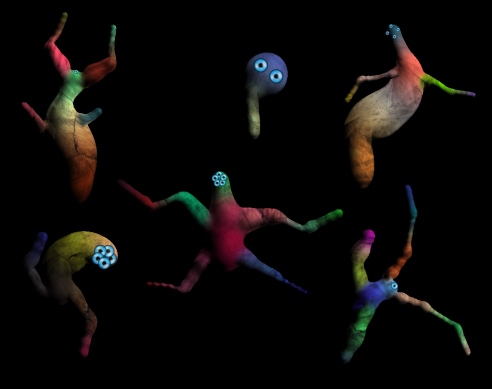
Droidream – A Turn-Based Roguelike With Minigame-Centric Combat
Gregor Artur Mäe
|
|
|---|---|
|
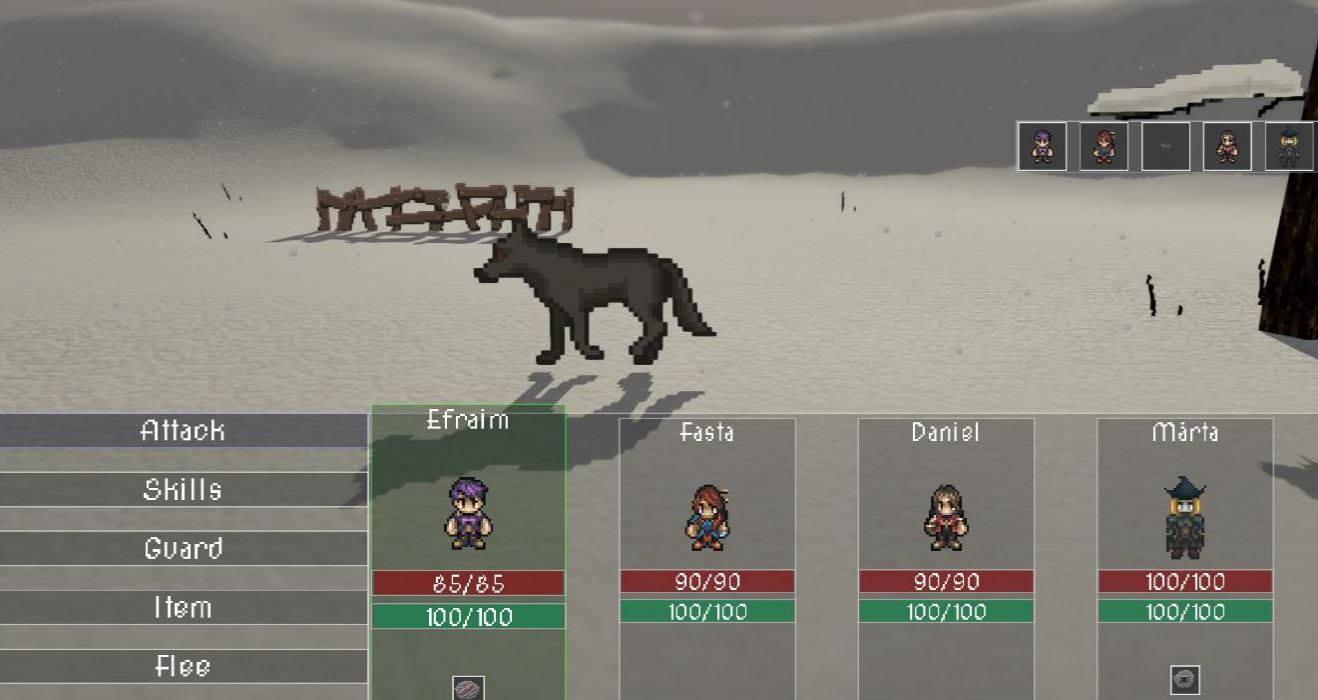
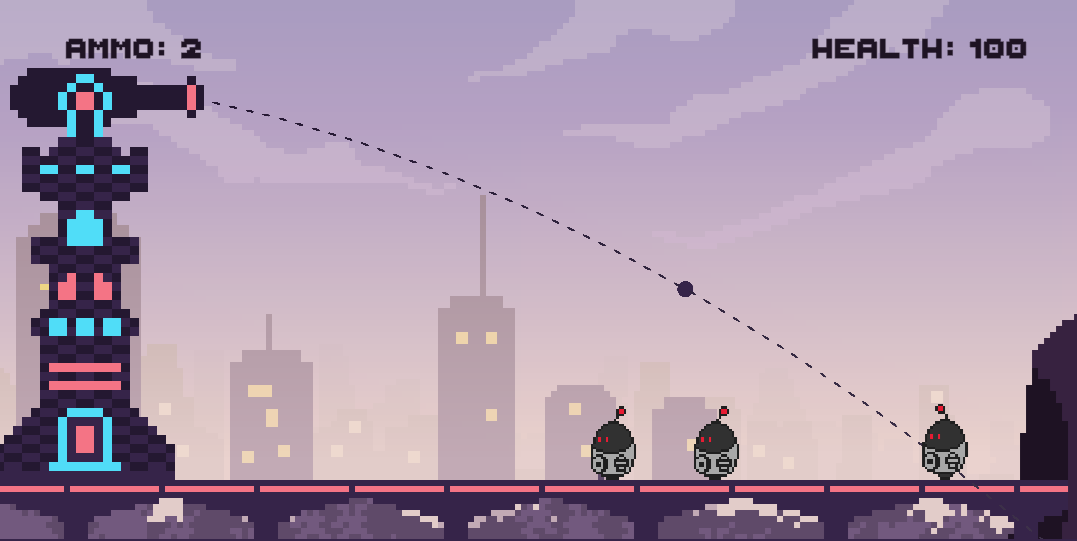
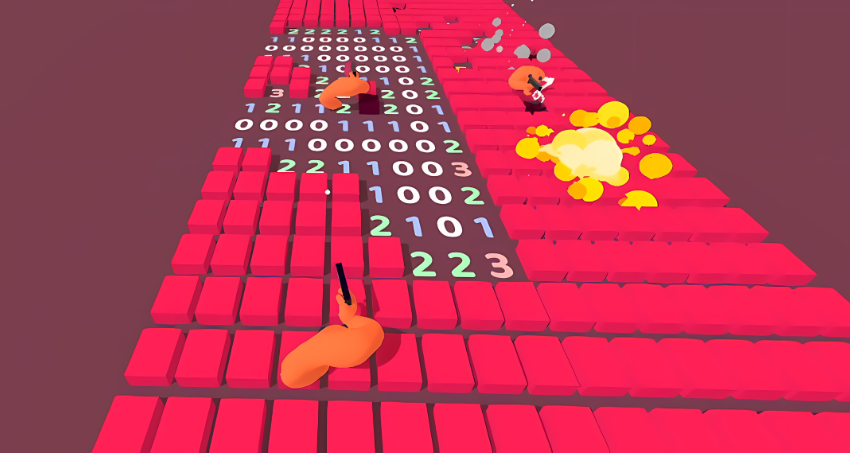
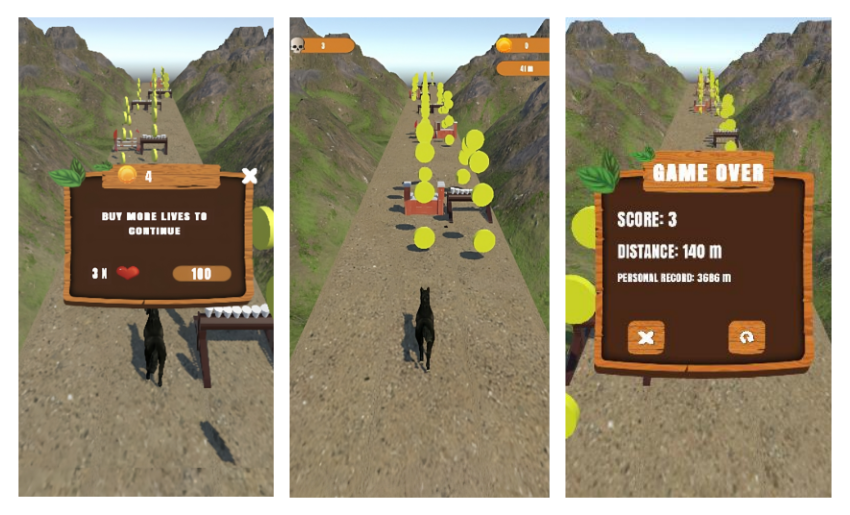
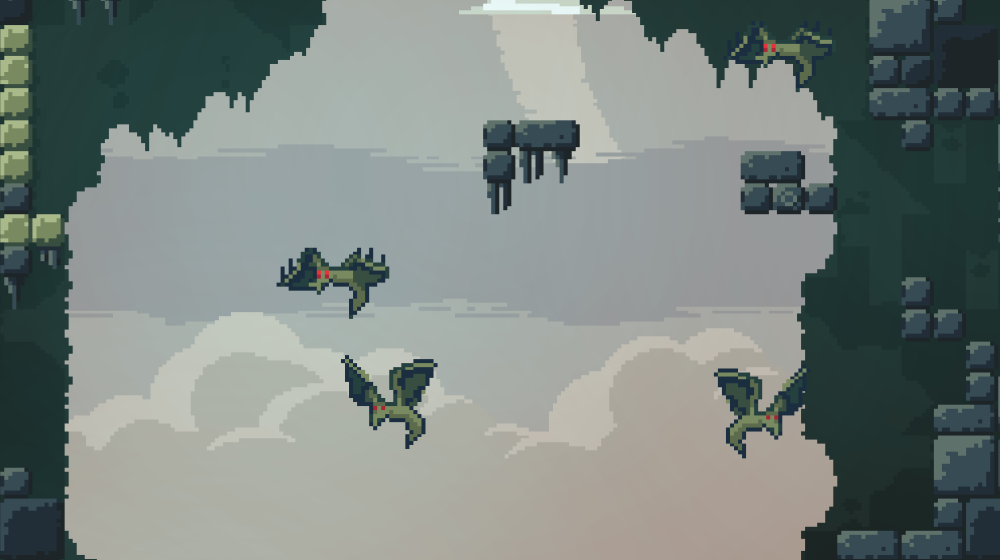
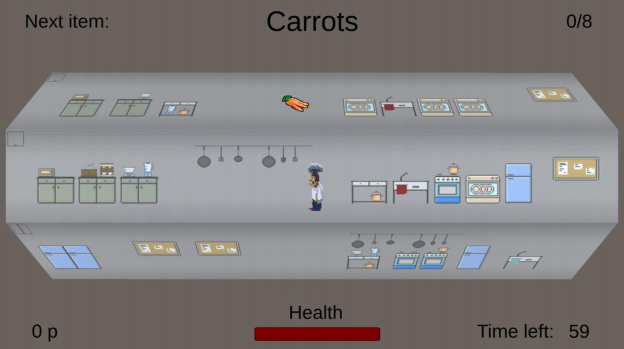
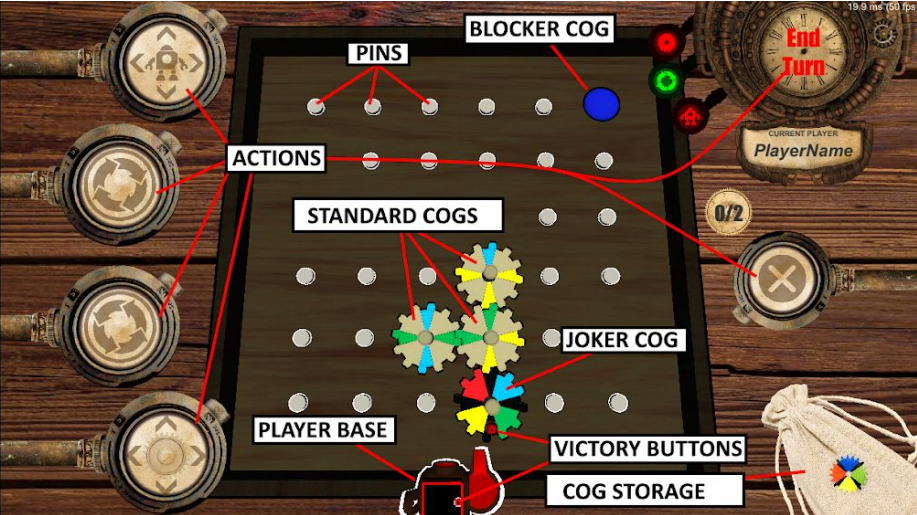
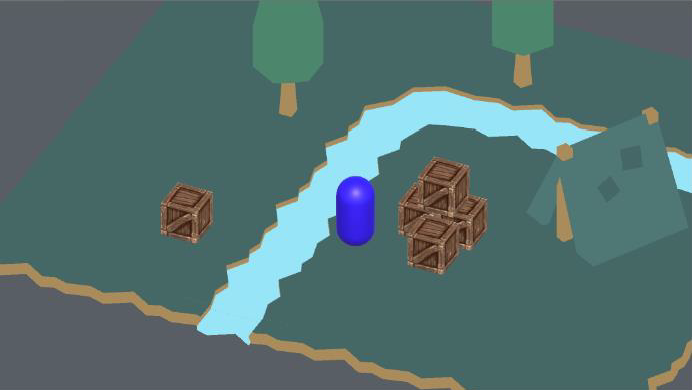
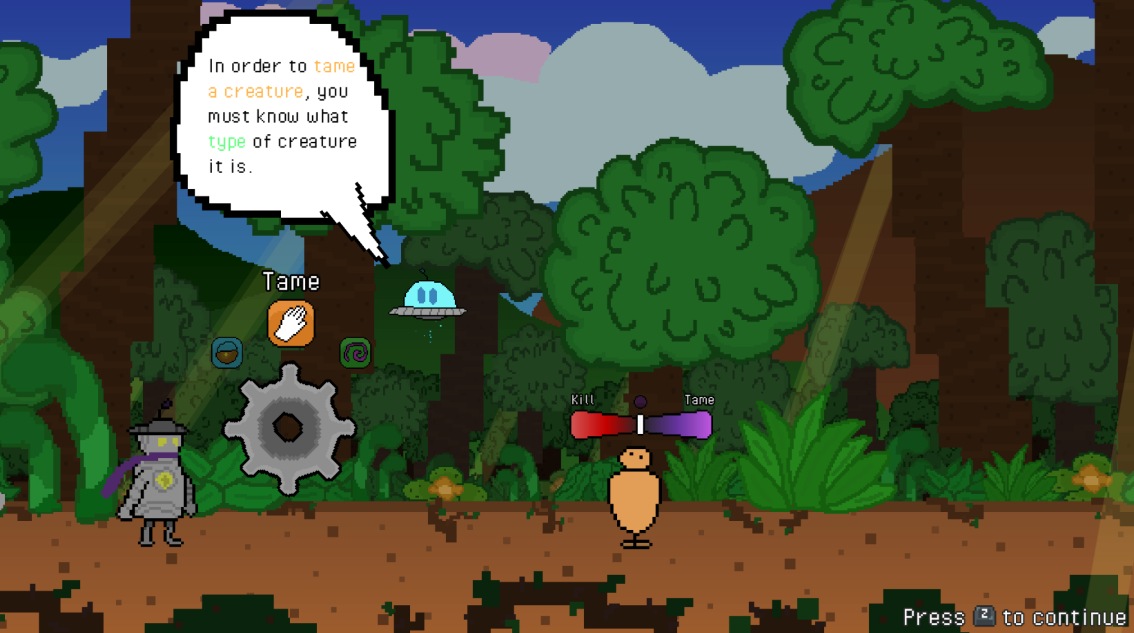
Droidream is a game about either killing or taming animals, depending on the player's preference. Gregor Artur Mäe has designed the engaging turn-based combat mechanics and numerous minigames around that main concept. The game takes inspiration from classics such as Undertale, and playing it reveals the player more about themselves rather than presenting an absolute moral high ground. ThesisPoster |
|
 Software
|
|
|
Magnetroid – A Magnetic Precision Platforming Game
Richard Miikael Jaks
|
|
|---|---|
|
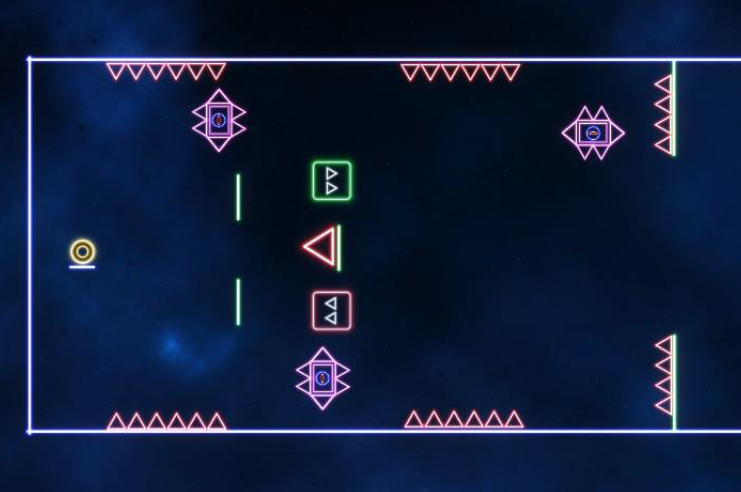
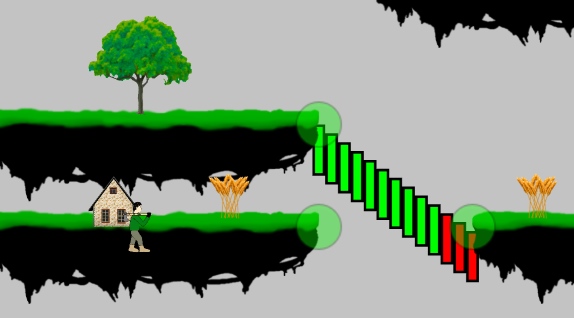
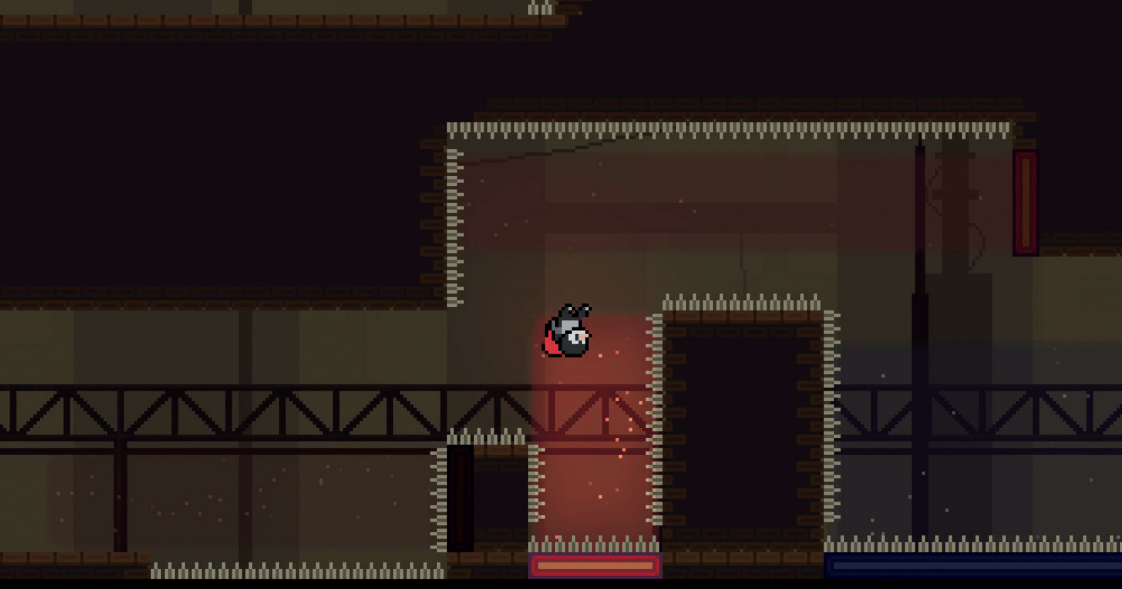
Richard Miikael Jaks has developed the precision-platformer Magnetroid for several years, during which there have been at least three distinct versions of the game. With games where the main challenge is hand-to-eye coordination and quick reactions, the mechanics have to be flawless. Whenever the player fails, it must never be the game's fault. Versions of Magnetroid were showcased at both MängudeÖÖ 2025 and Game in Tartu 2026. It also won the Best Demo Award at the Student Project Contest. ThesisItch.io page |
|
|
Software
|
|
|
Fevered World — City Building on Strategy Background
Aksel Martin Muru
|
|
|---|---|
|
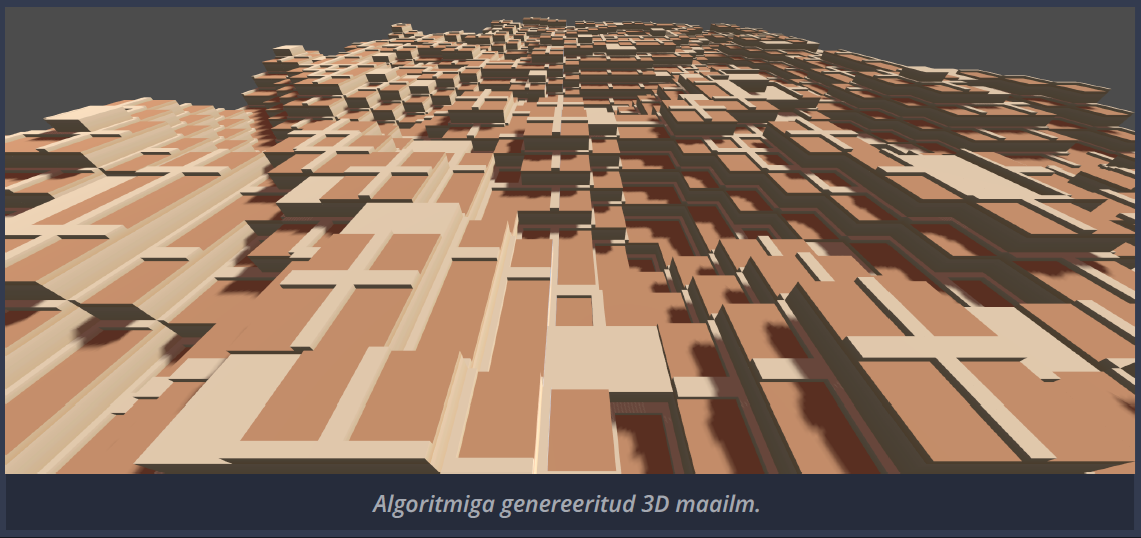
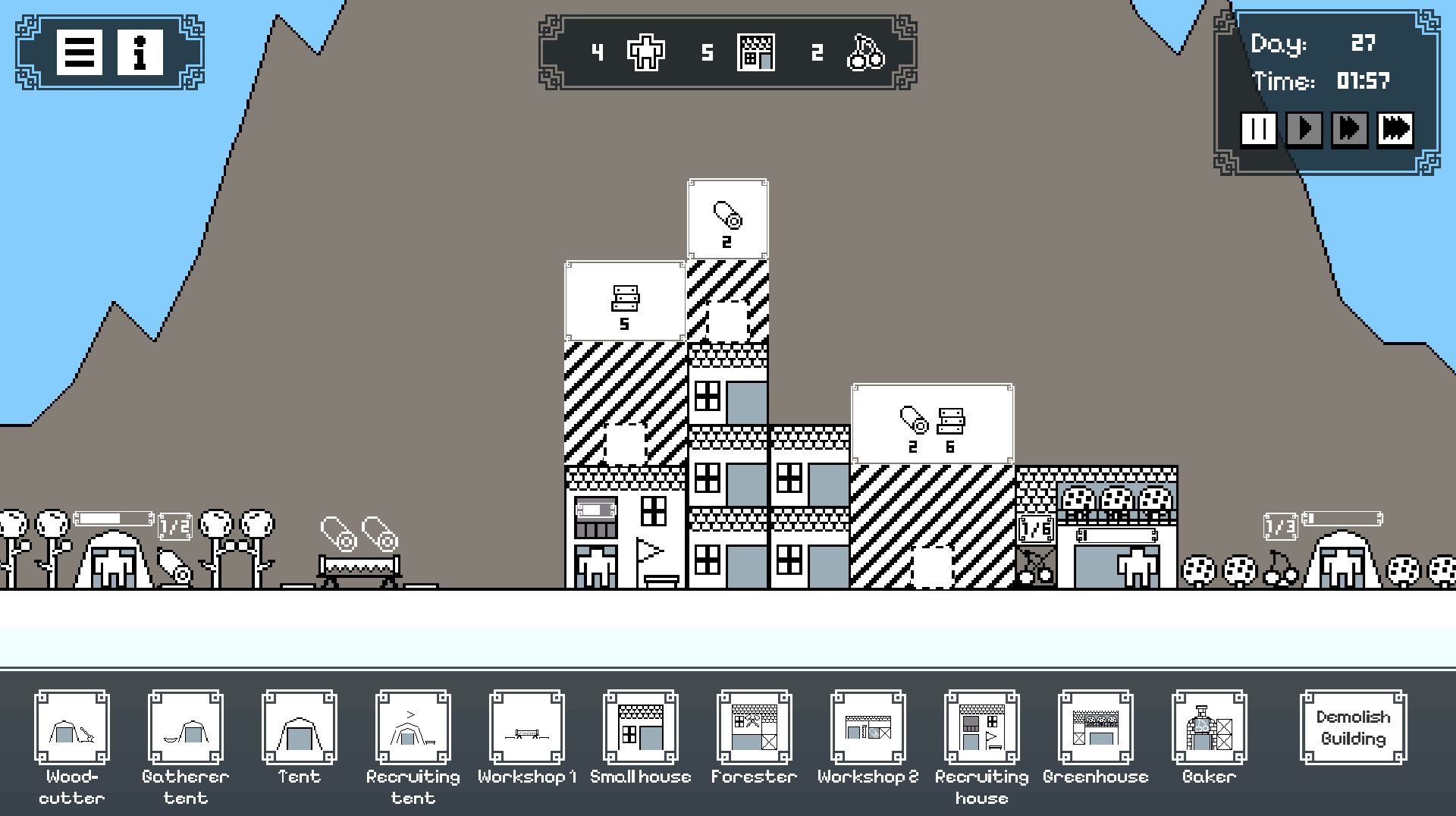
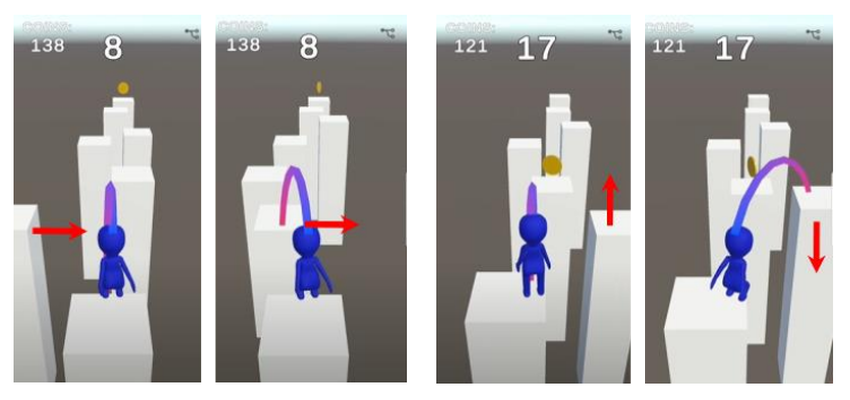
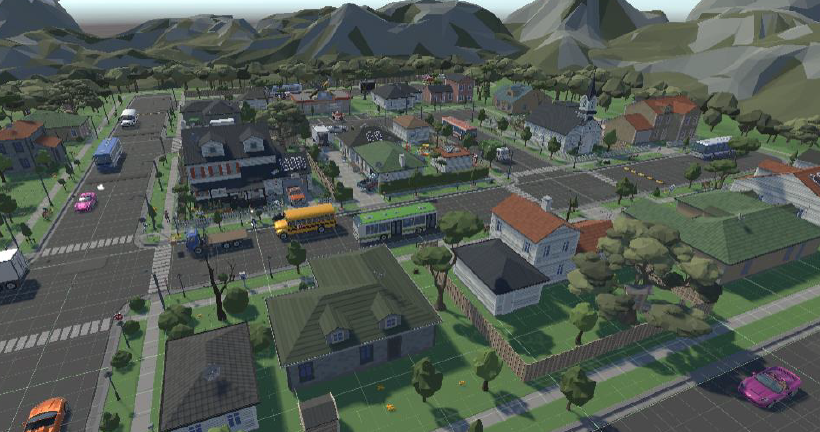
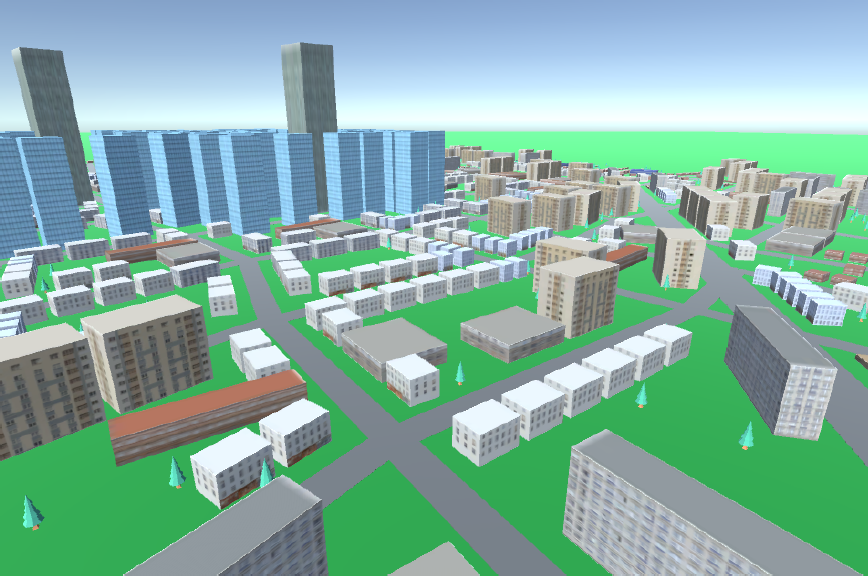
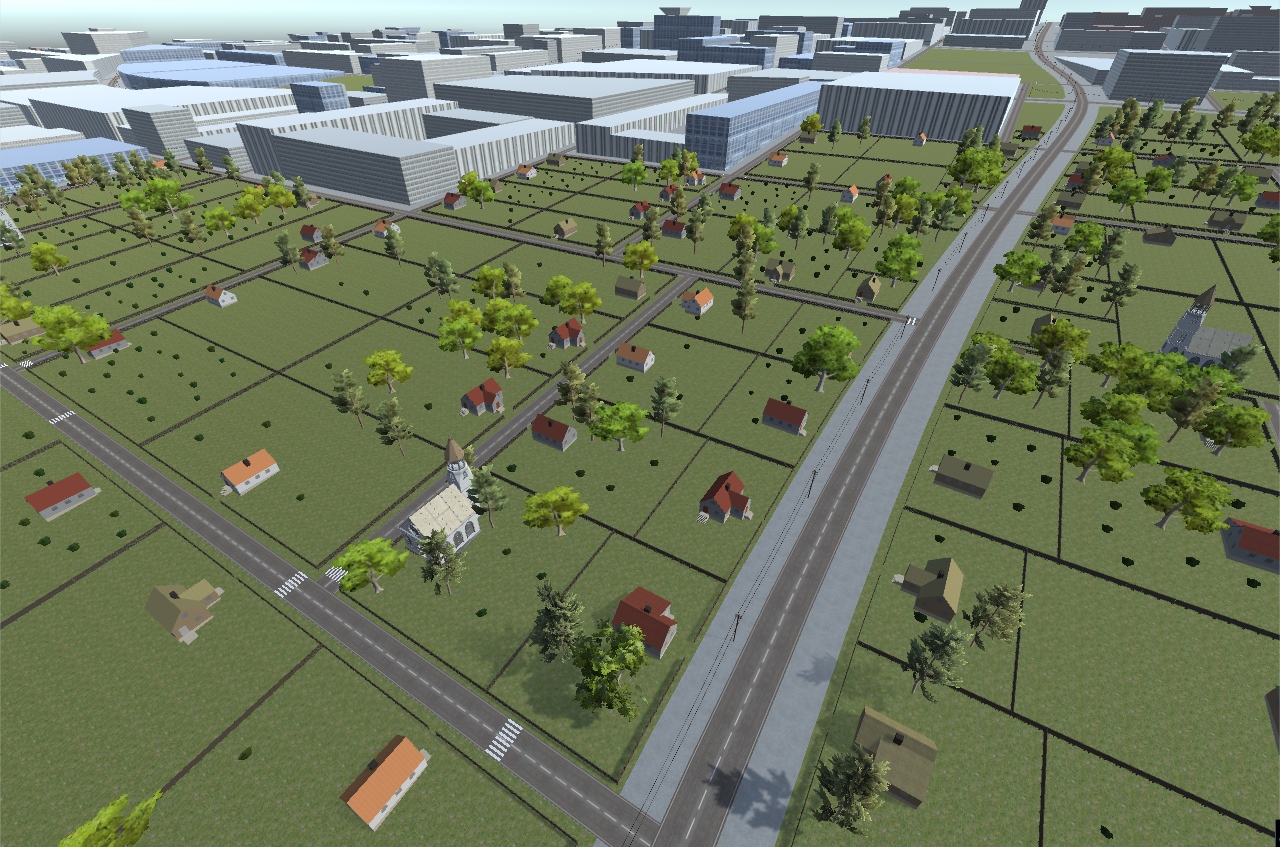
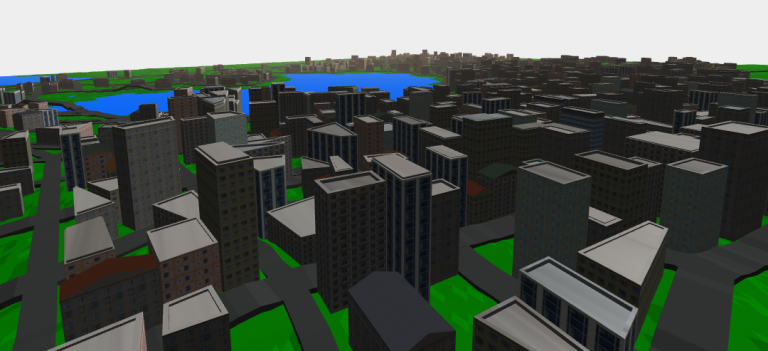
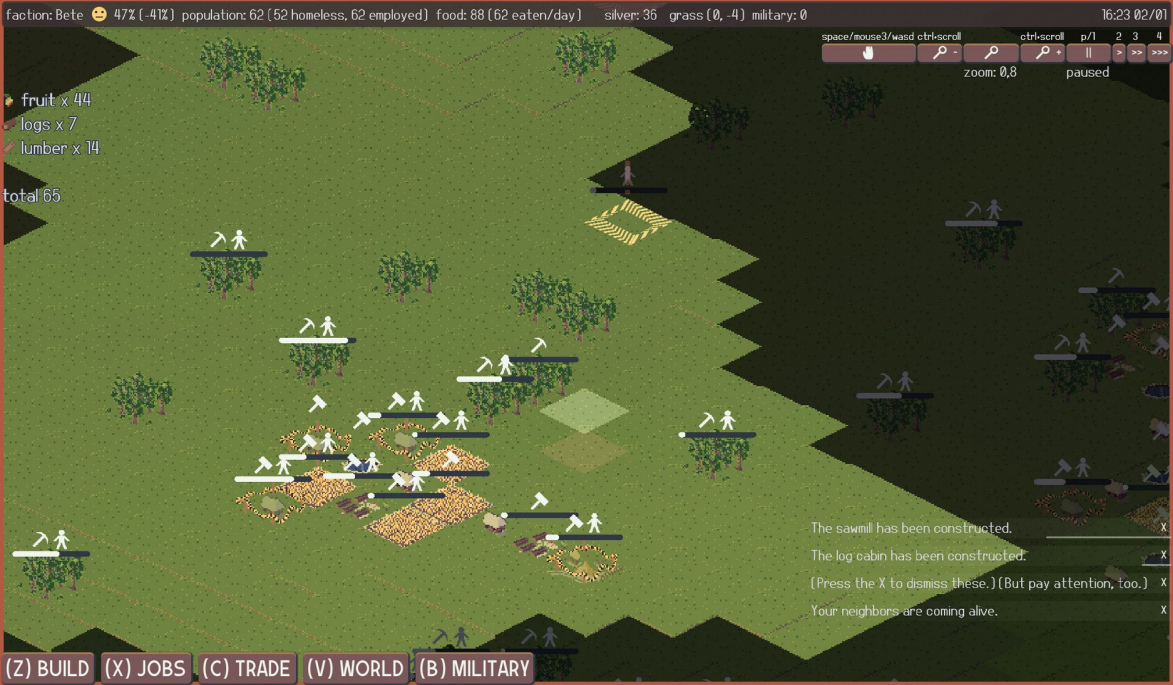
Fevered World is a construction and management game, where the player has to out-compete neighboring factions in creating the most efficient and largest economy. The main draw of this game is the living world, where the factions each grow independently of the player and may even declare war on them. The game world and resource distribution are always procedurally generated, so every game will be unique. Fevered World was showcased at Game in Tartu 2026. ThesisPoster |
|
|
Software
|
|
|
Silentia – A 2D Puzzle Platformer with a Clone-Based Mechanic
Daria Savtšenko
|
|
|---|---|
|
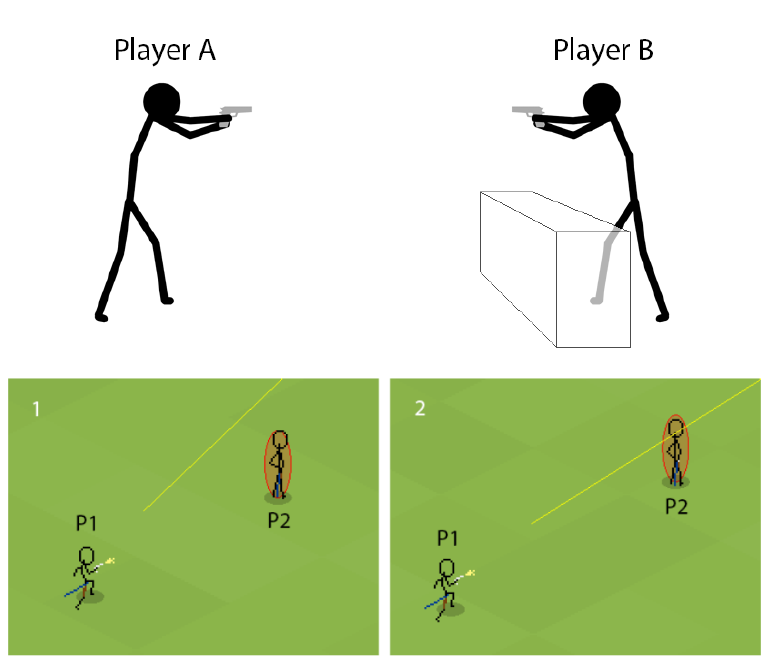
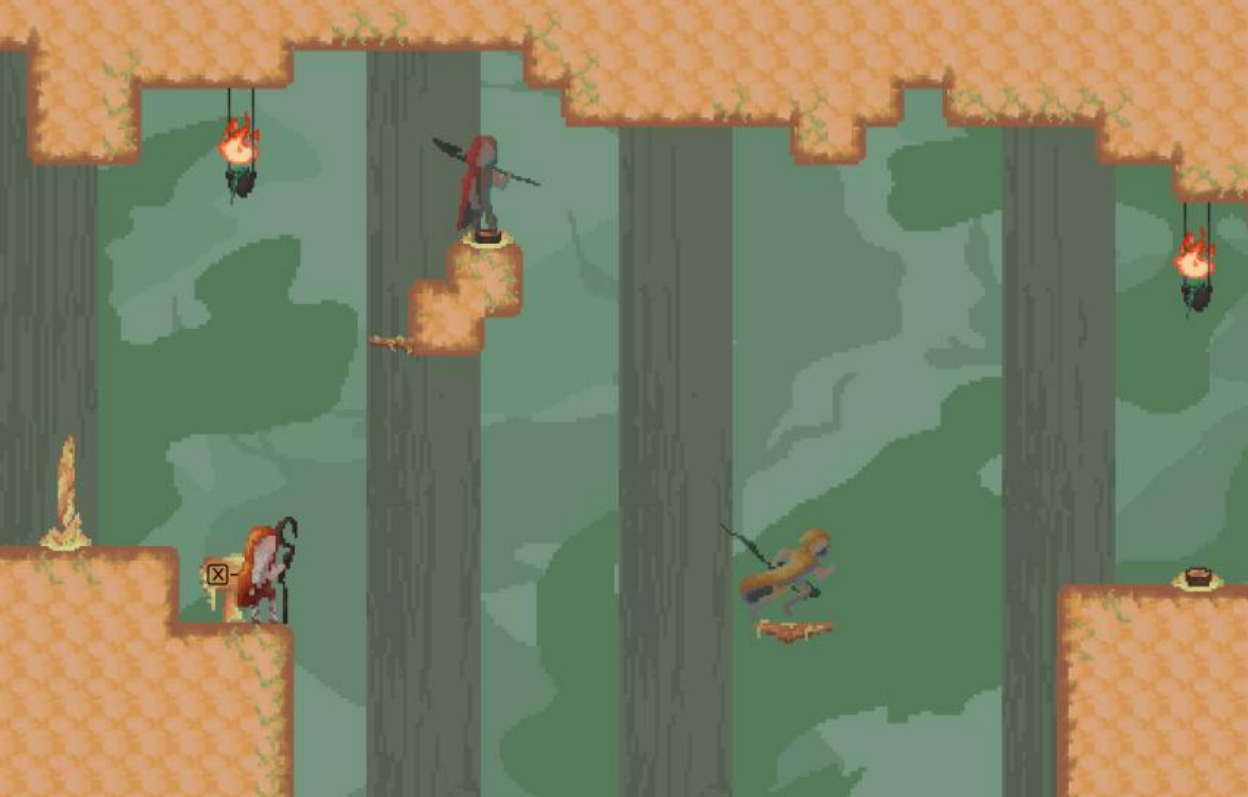
Silentia is a video game based on recording and replaying the actions of different characters to complete complex platforming puzzles. Daria Savtšenko's spectacular game design accounts for the player's cognitive load and game flow to create a unique, challenging, and enjoyable experience. Silentia was tested and showcased at the Game in Tartu 2026 event. ThesisPoster |
|
|
Software
|
|
|
LumaWorlds – A 2D Sandbox Multiplayer Game
Rainer Vana
|
|
|---|---|
|
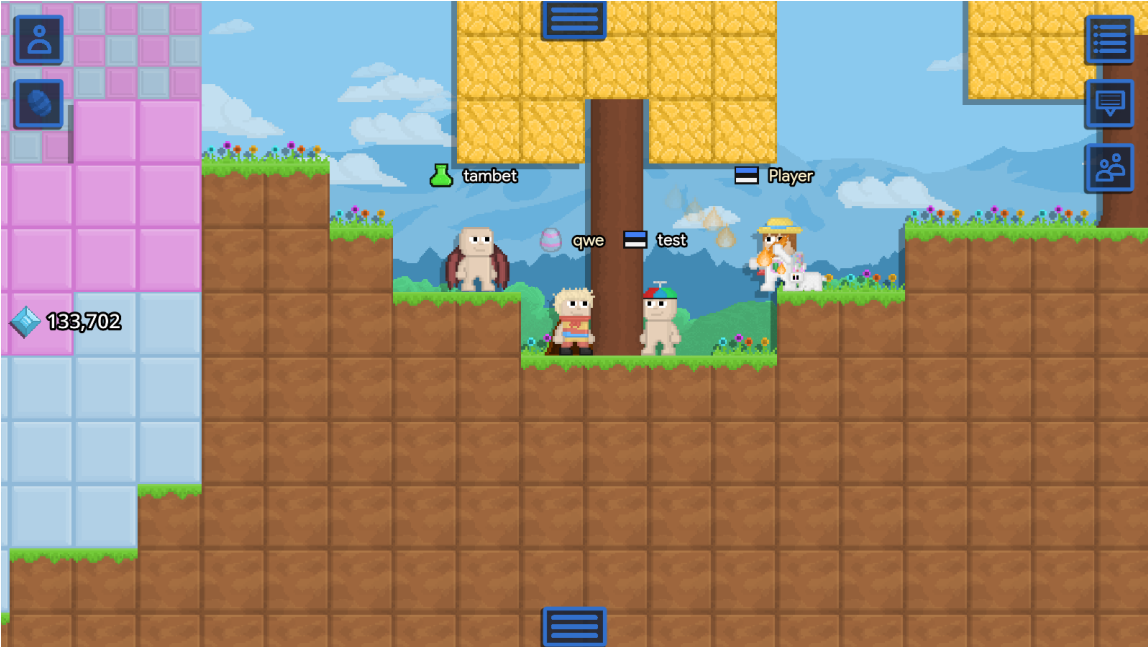
LumaWorlds is a multiplayer sandbox game focused on a player-driven economy. The game design by Rainer Vana combines elements from Growtopia, Pixel Worlds, and Terraria. While LumaWorlds' rendering is handled by the Godot game engine, the backend server is written in Go and load-balanced. During testing, a substantial number of 105 feedback submissions were gathered, which now greatly help guide the further development of LumaWorlds. ThesisItch.io page |
|
|
Software
|
|
|
Spaceship and Game Progression in Blastronaut
Kristo Krikmann
|
|
|---|---|
|
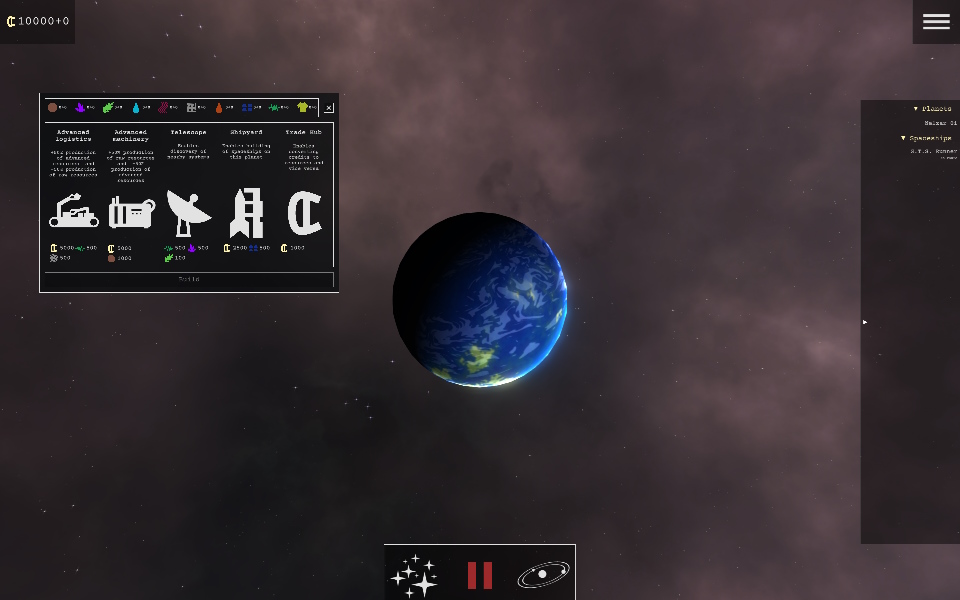
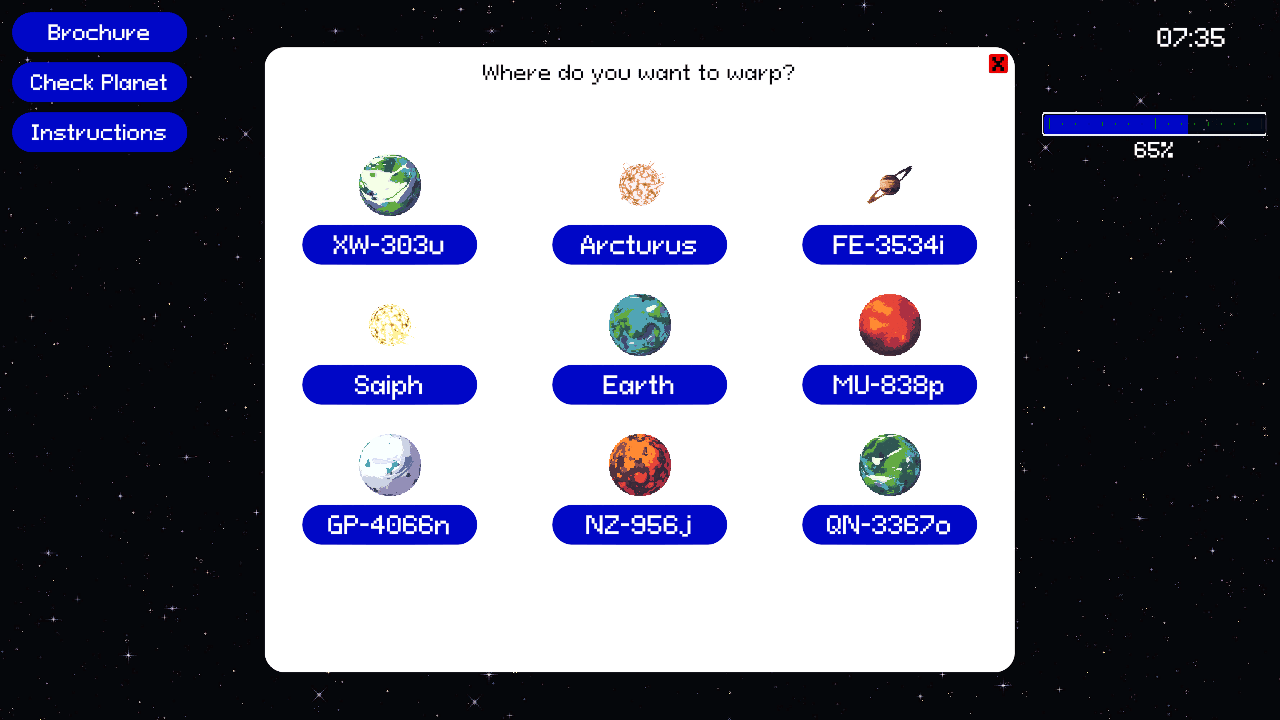
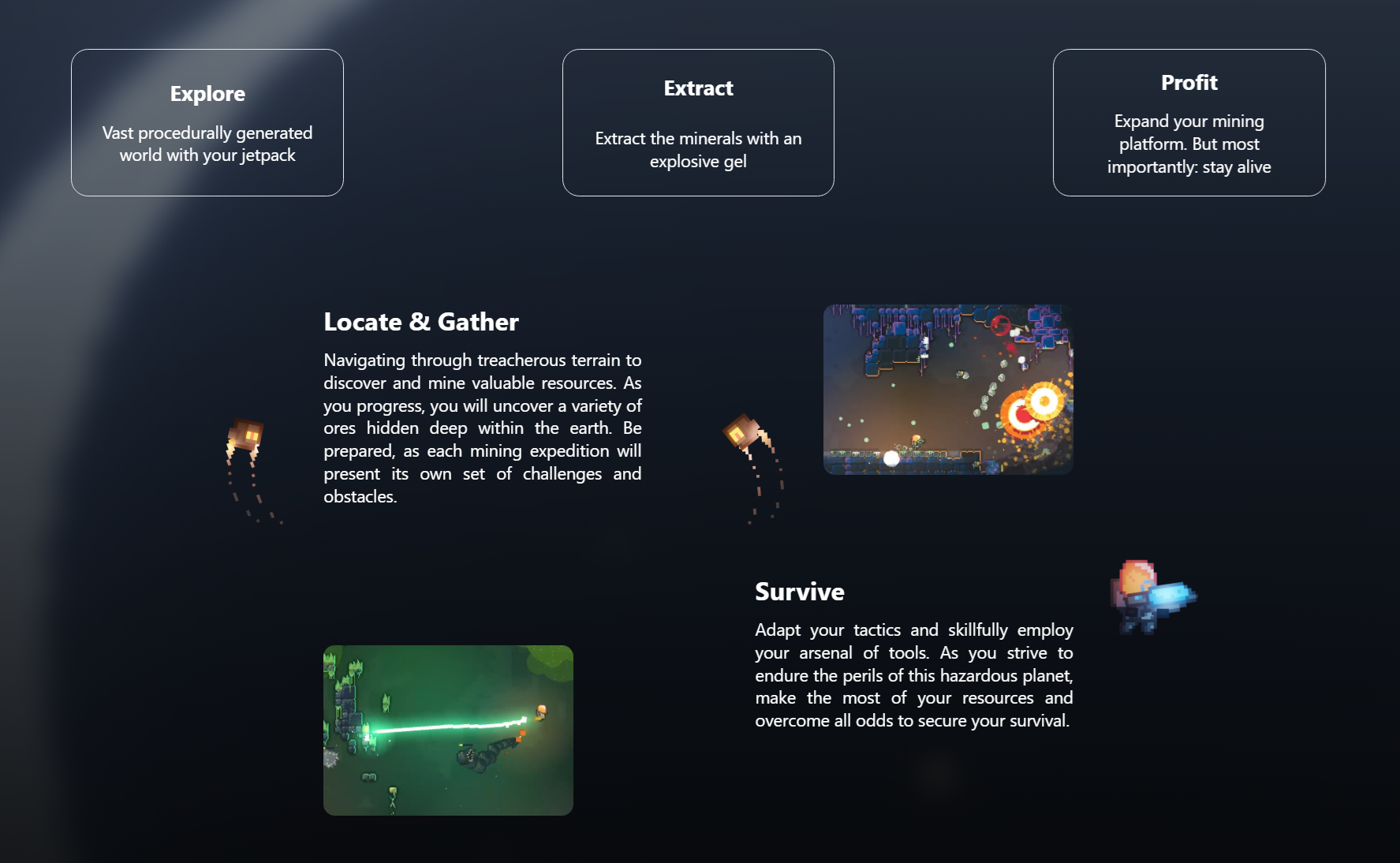
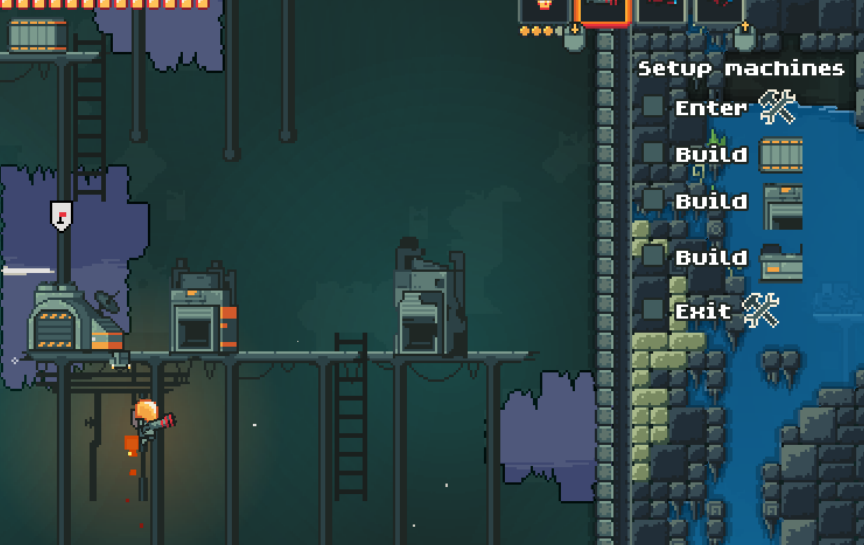
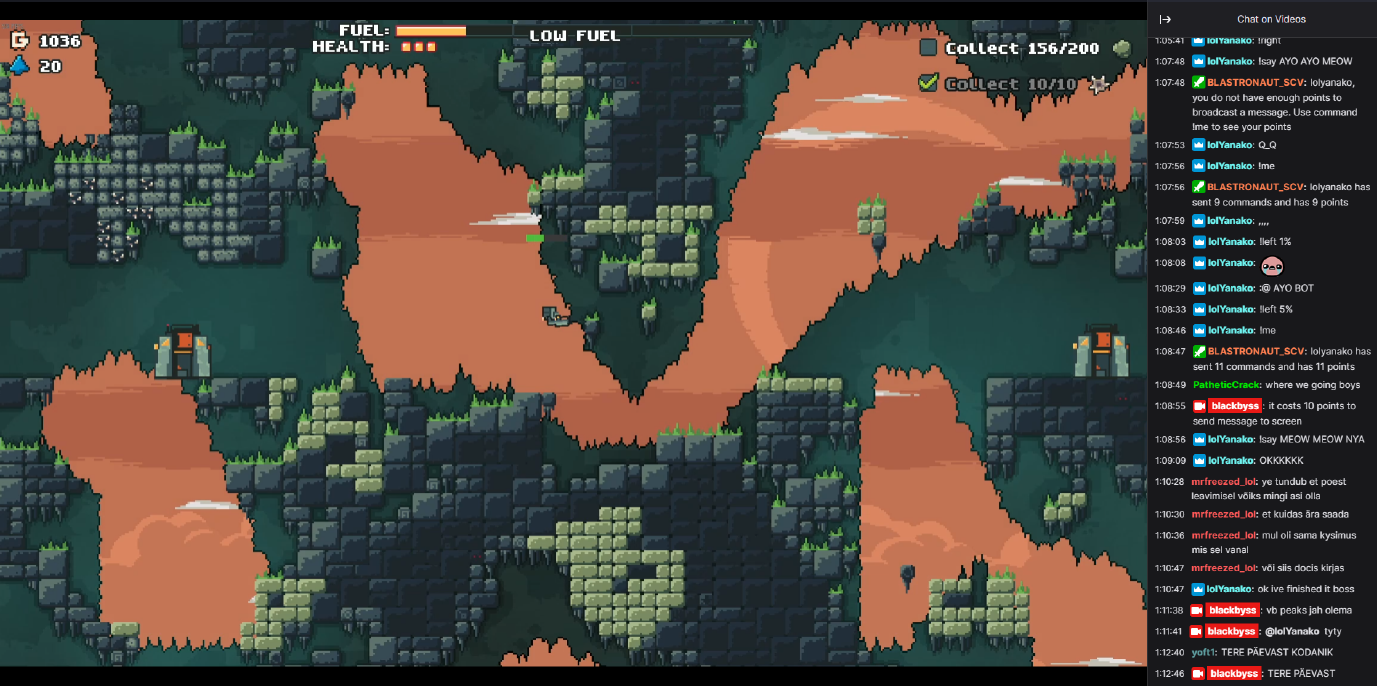
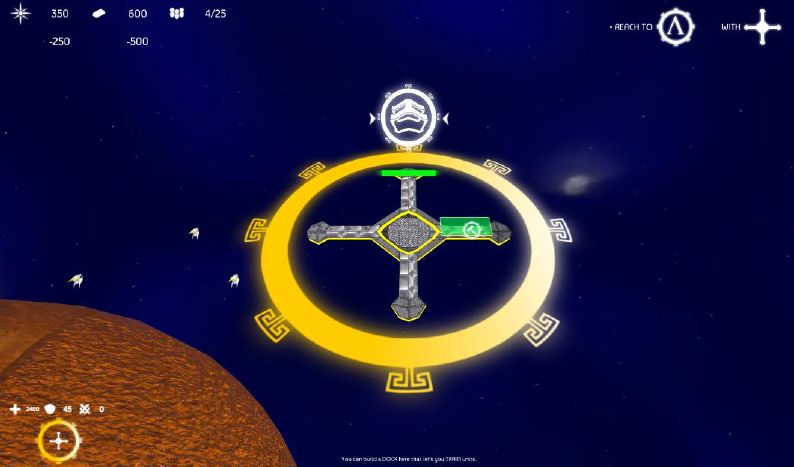
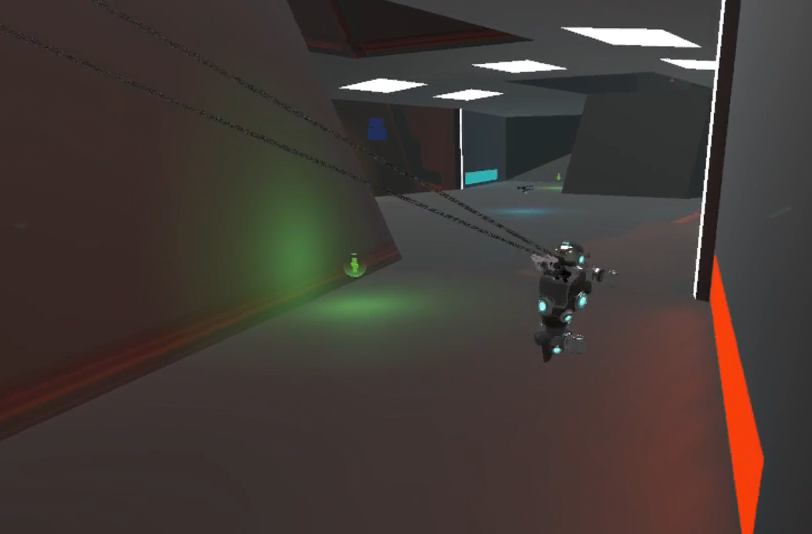
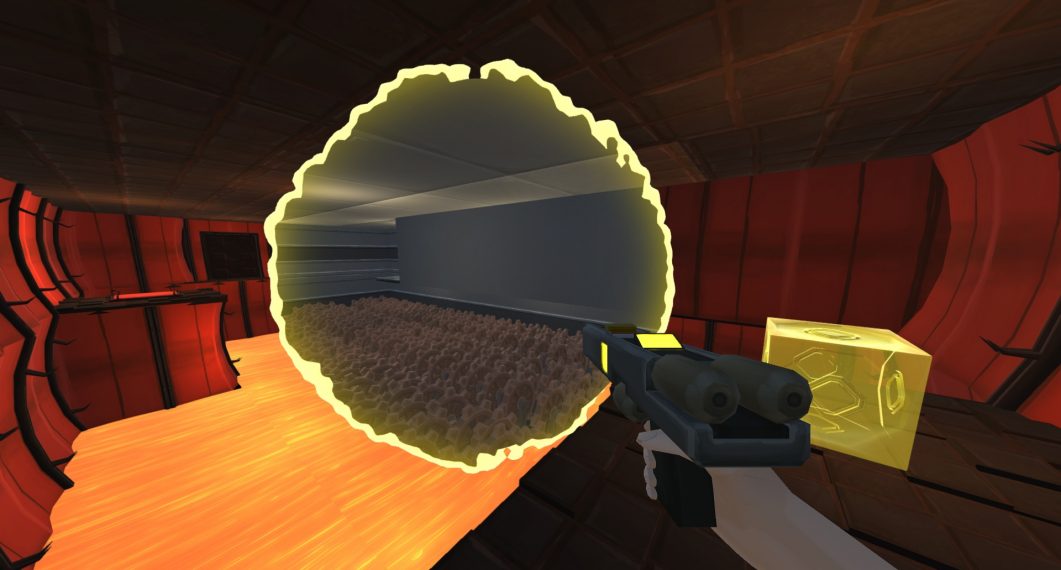
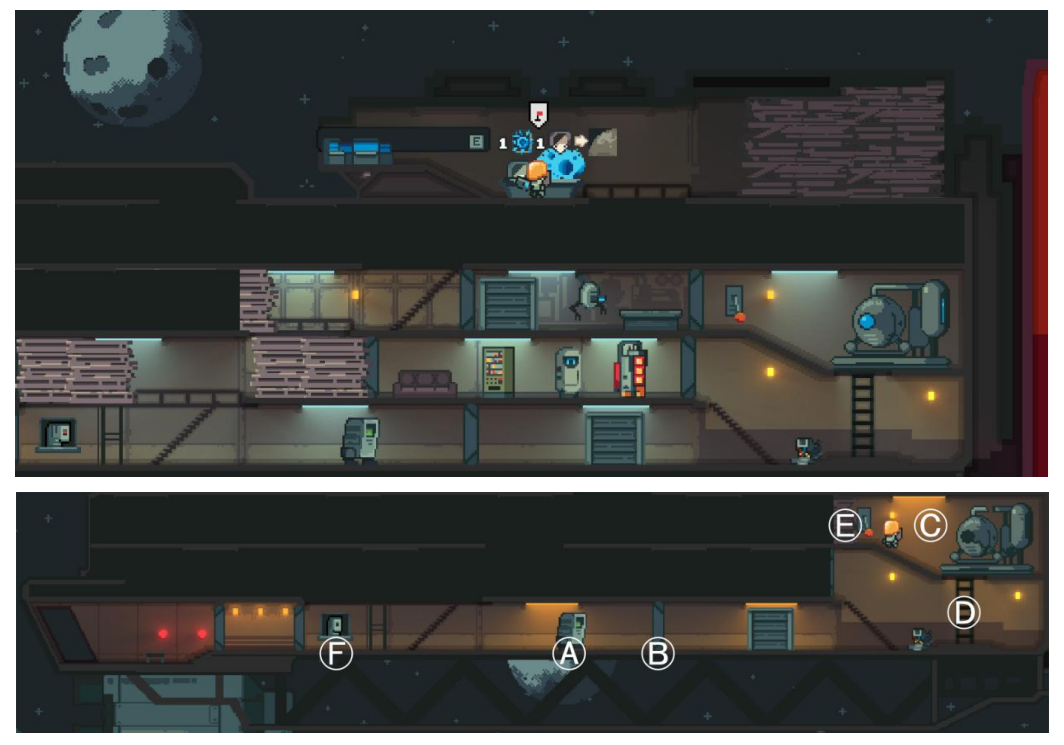
The commercial video game Blastronaut has suffered from unguided gameplay progression, which has had a significant impact on player retention. Kristo Krikmann has created a central hub for the player in the form of a spaceship. Unlocking the different areas of the spaceship and interacting with the non-player characters there now guide the player more gradually as they explore the world of Blastronaut. ThesisPoster |
|
|
Software
|
|
|
New Worlds for Videogame Blastronaut
Villem Paabo
|
|
|---|---|
|
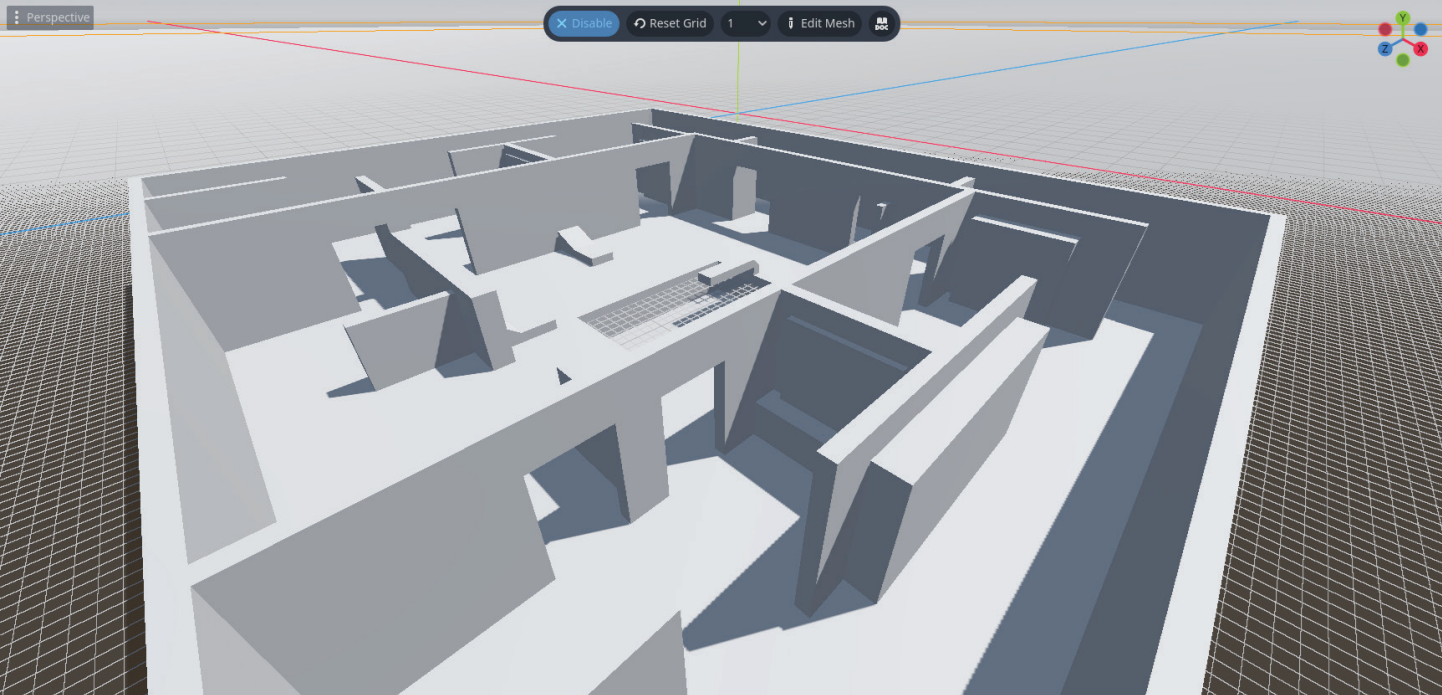
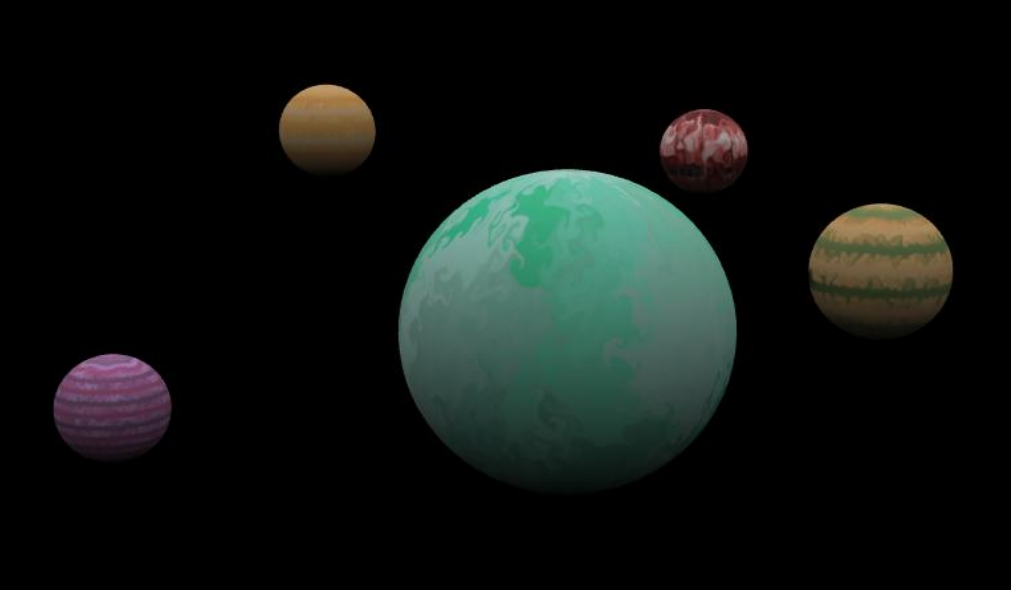
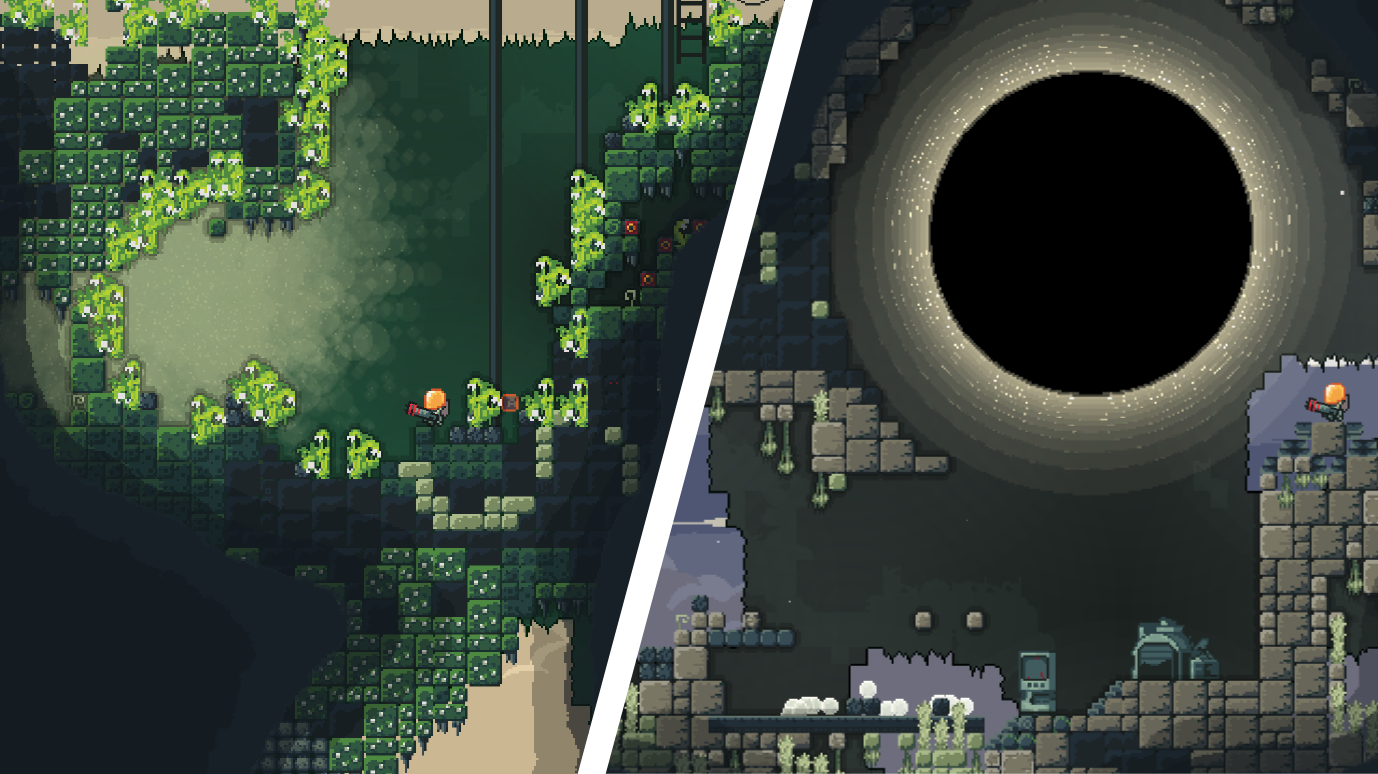
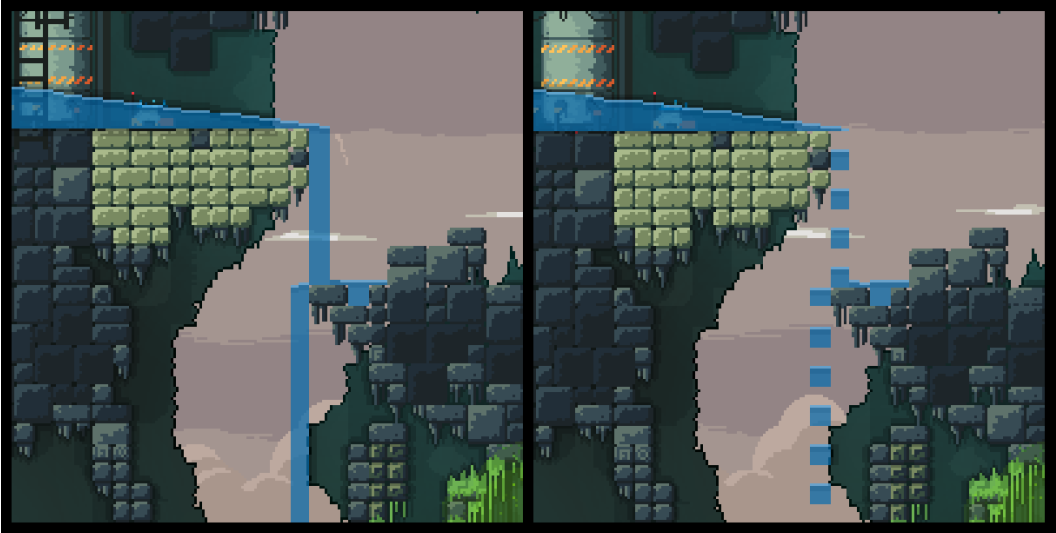
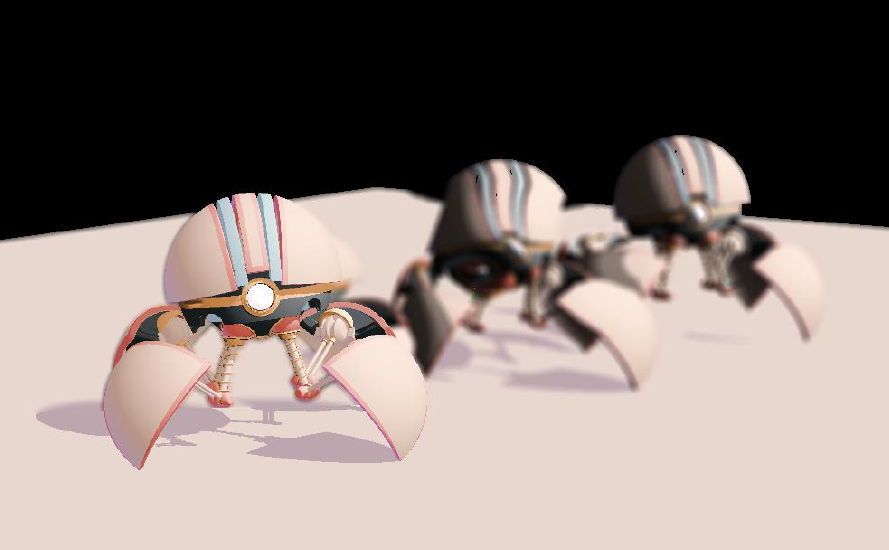
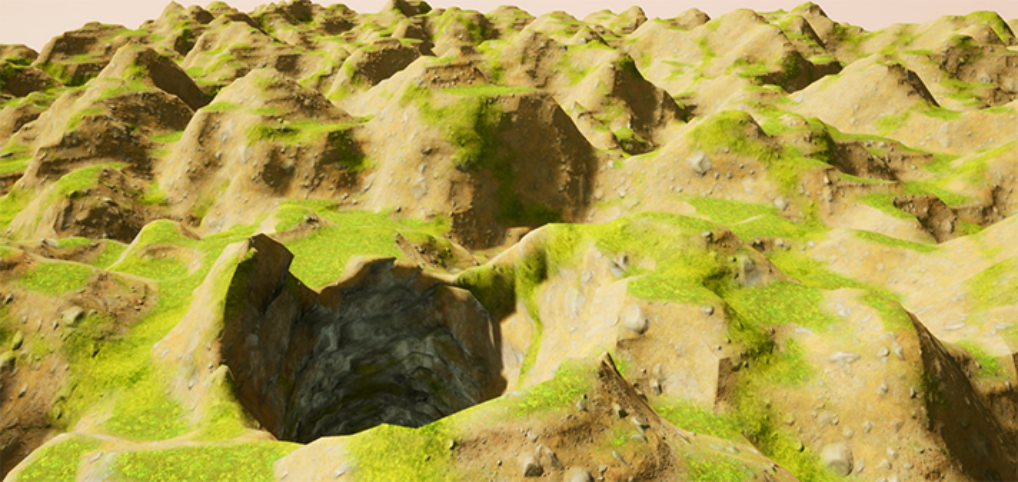
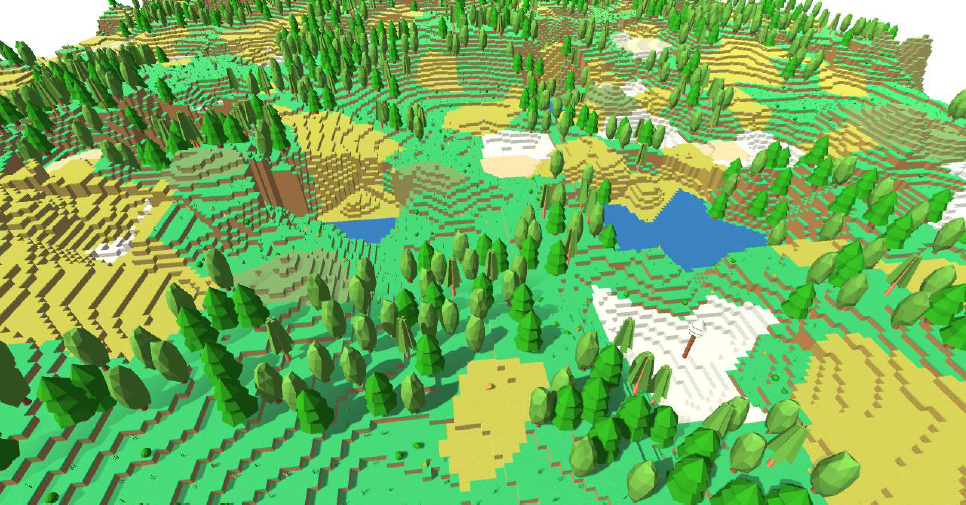
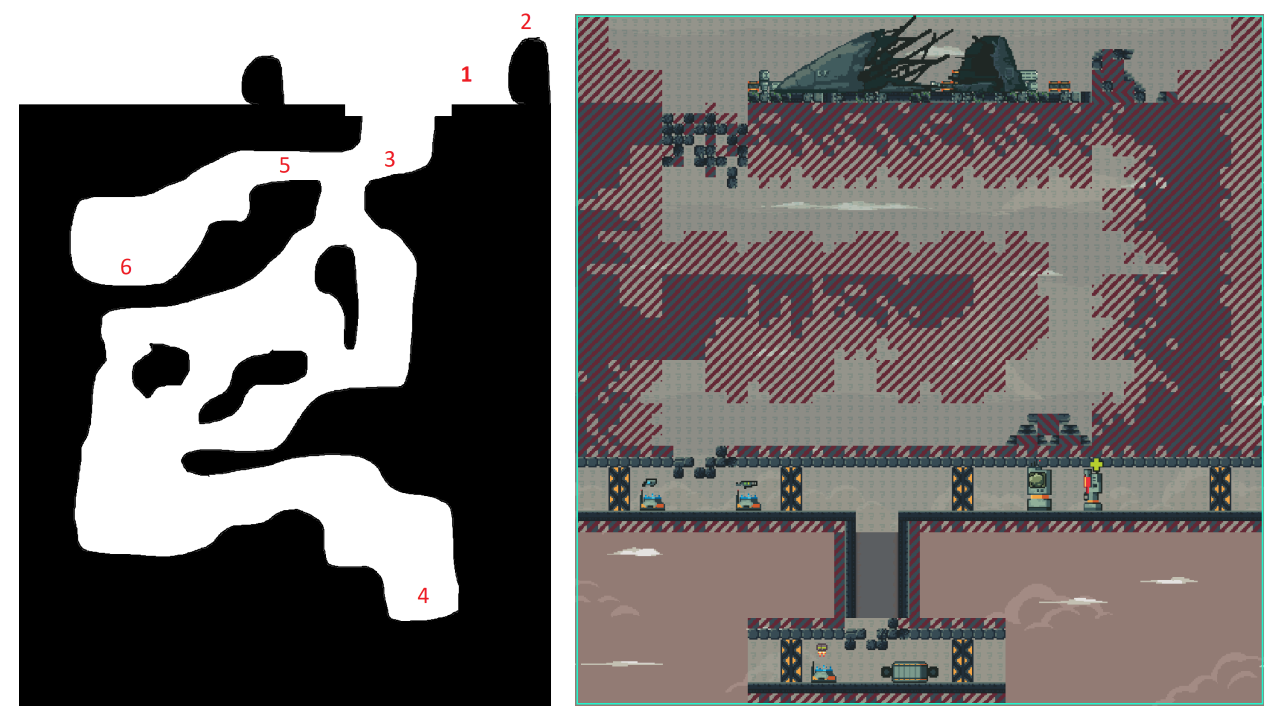
The game world of Blastronaut is almost fully procedurally generated, with numerous biomes all on a few planets. This makes it difficult to design player progression through the world. Villem Paabo has separated the different biomes into more distinct thematic planets and designed specific areas on top of the procedurally generated world to guide the player and make game progression clearer. Thesis |
|
|
Software
|
|
|
Grand Strategy Map Tool for Godot Game Engine
Oskar Unn
|
|
|---|---|
|
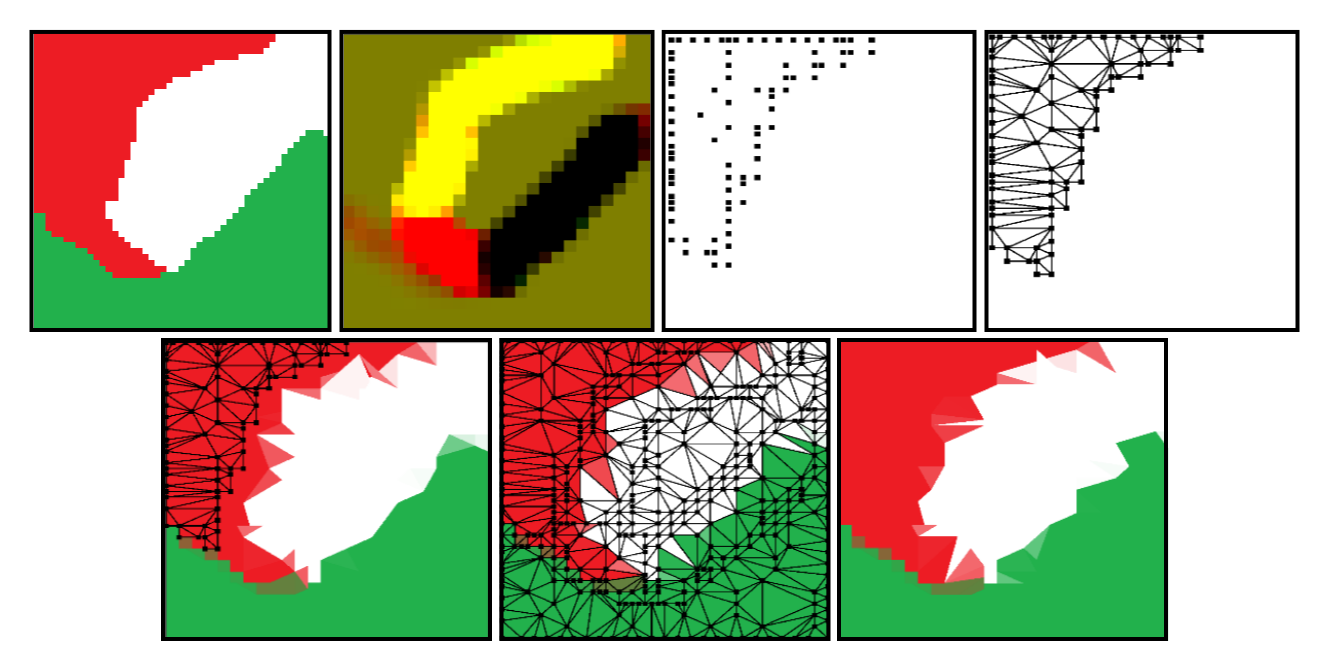
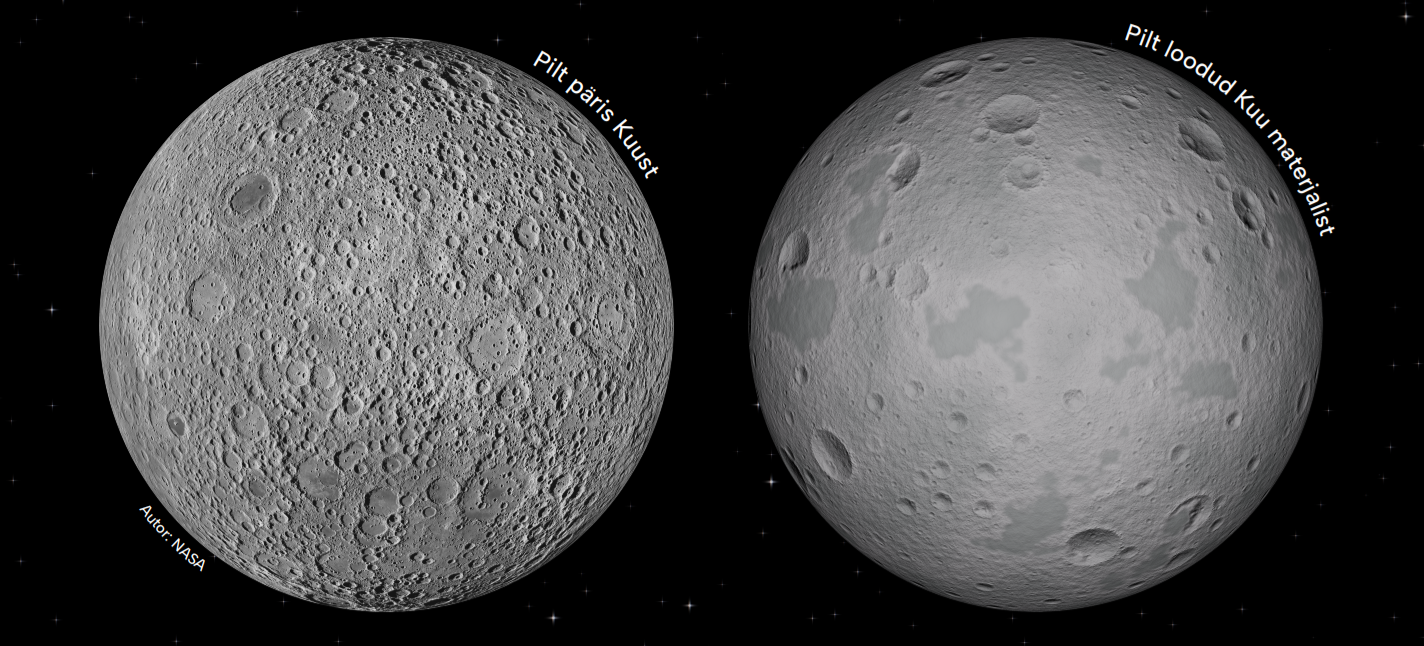
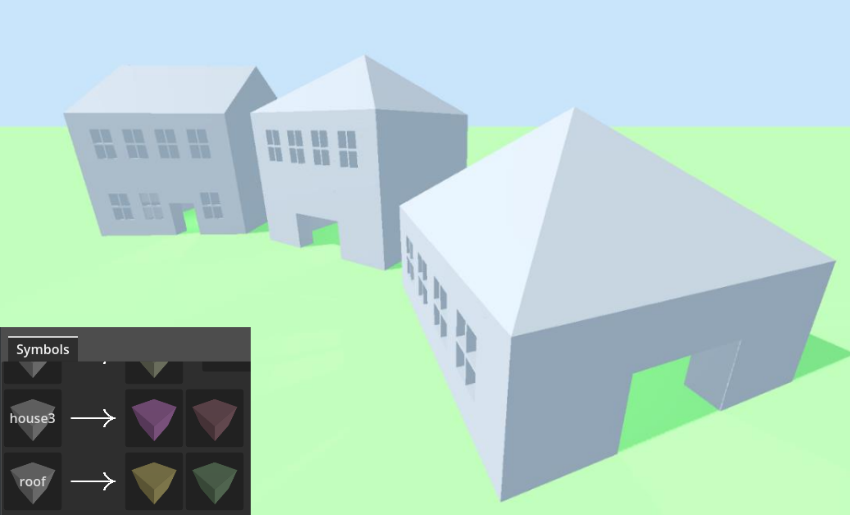
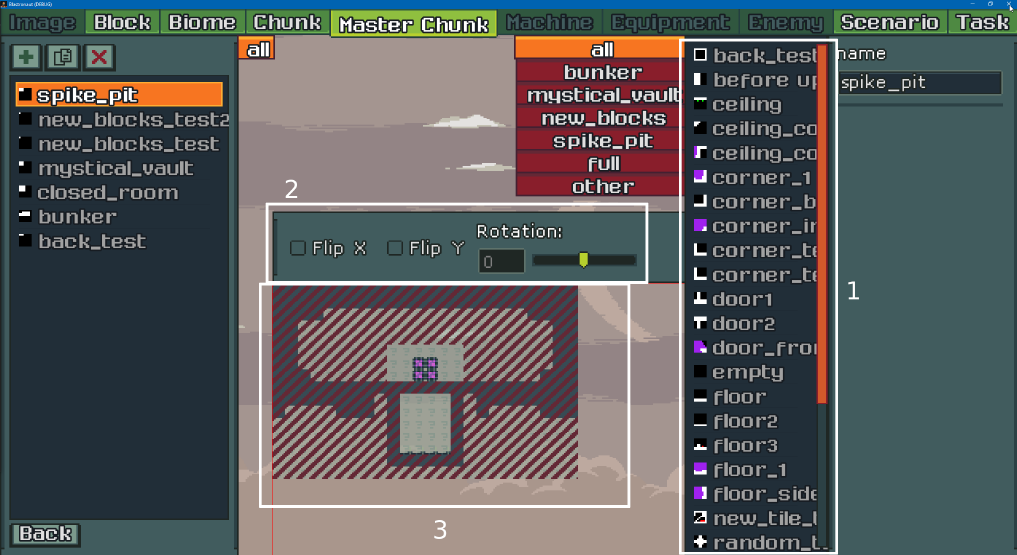
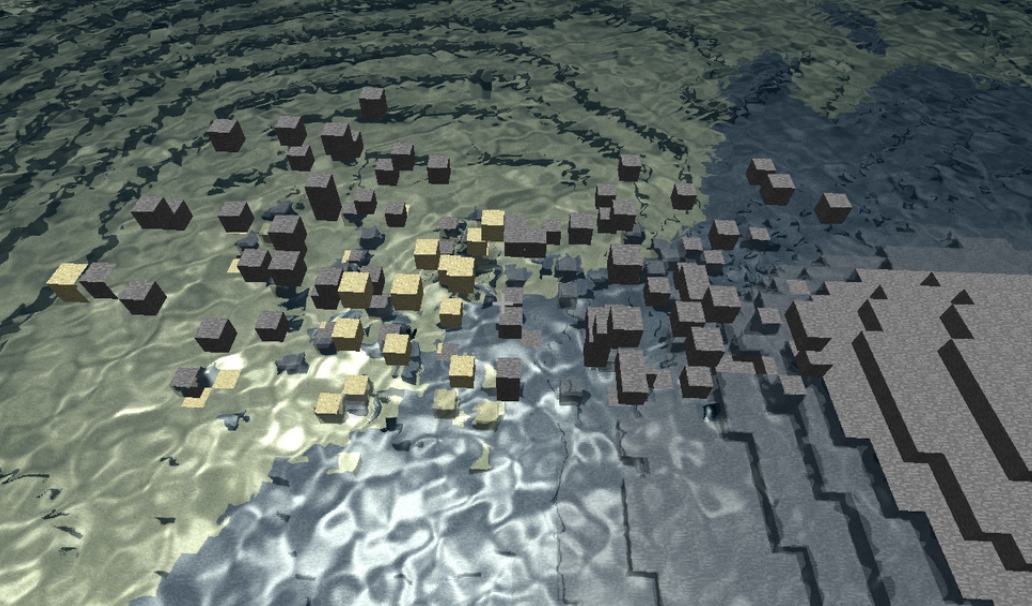
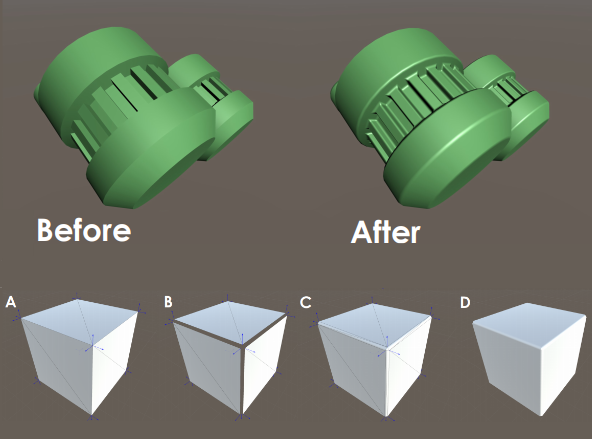
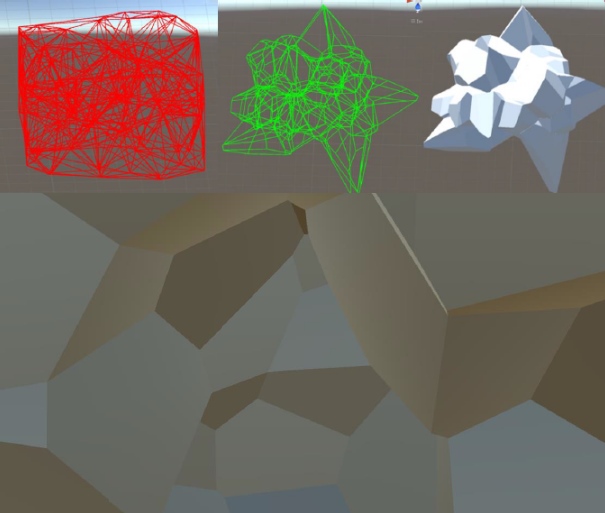
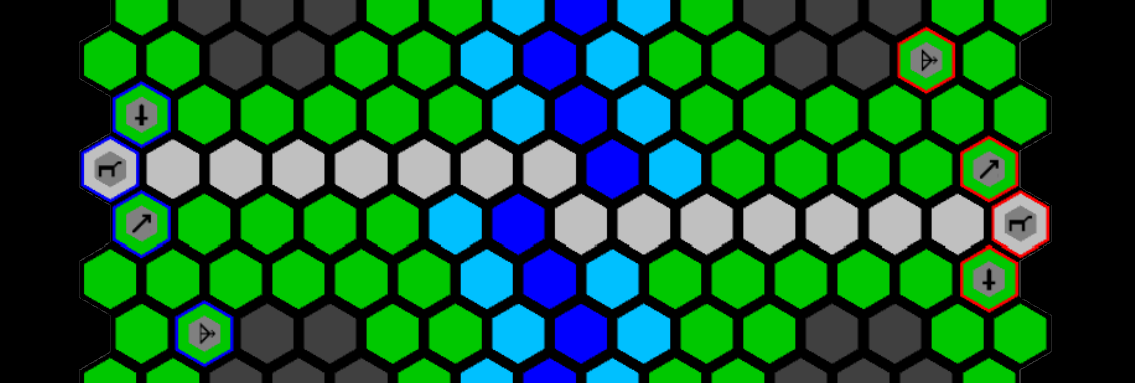
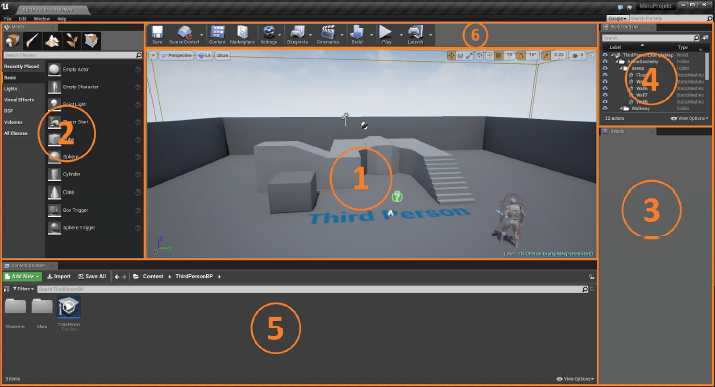
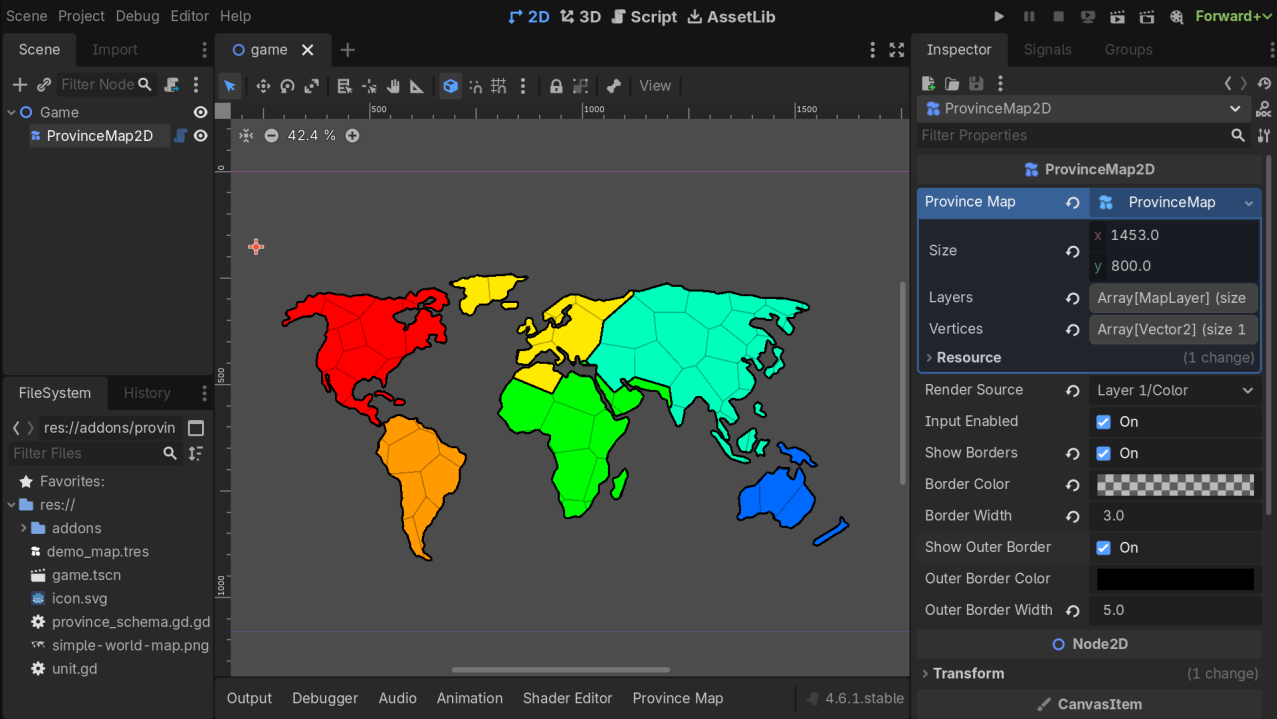
Designing maps for grand strategy games can be very time-consuming and tedious. Oskar Unn has created a new tool that allows any map outline to be sectioned into regions for different factions. The solution uses different computer graphics techniques to divide the map and allows for complete user control over the final regions. The tool has been released as a Godot game engine plugin. ThesisPoster Godot Plugin |
|
|
Software
|
|
|
Reflexions – the Creation of Interactive Cosmic Artworks Based on the Use of Two Depth Cameras
Rasmus Valk
|
|
|---|---|
|
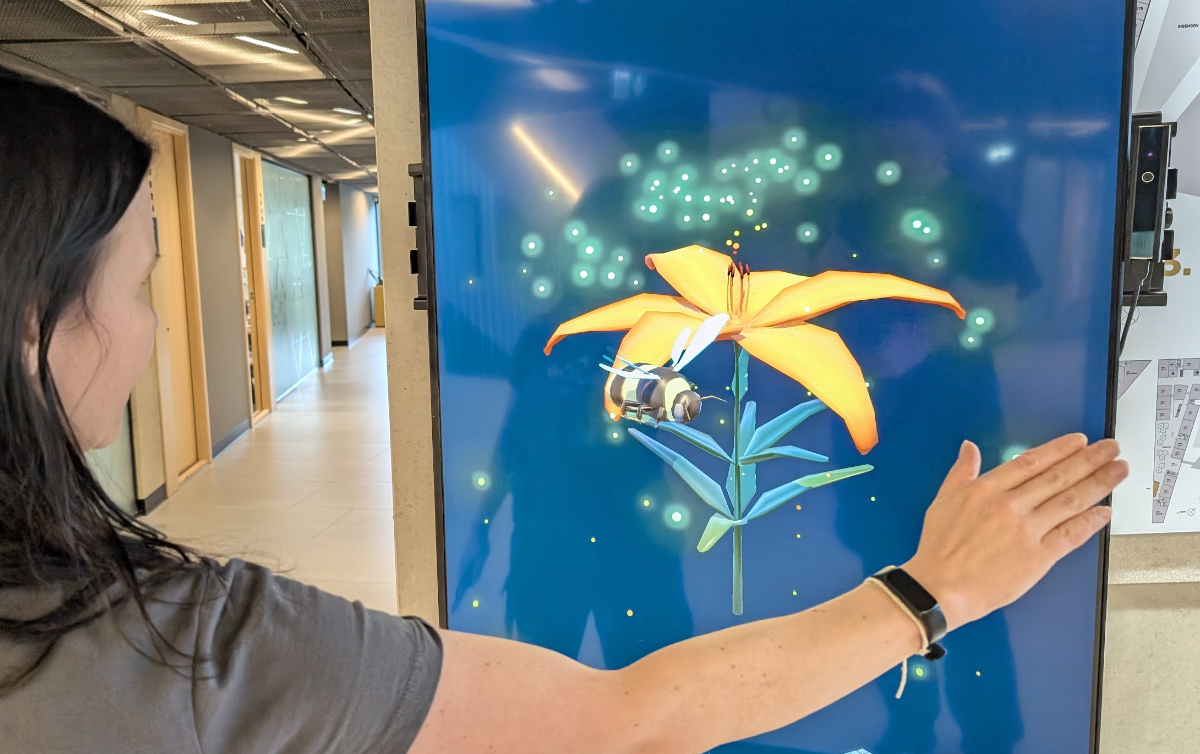
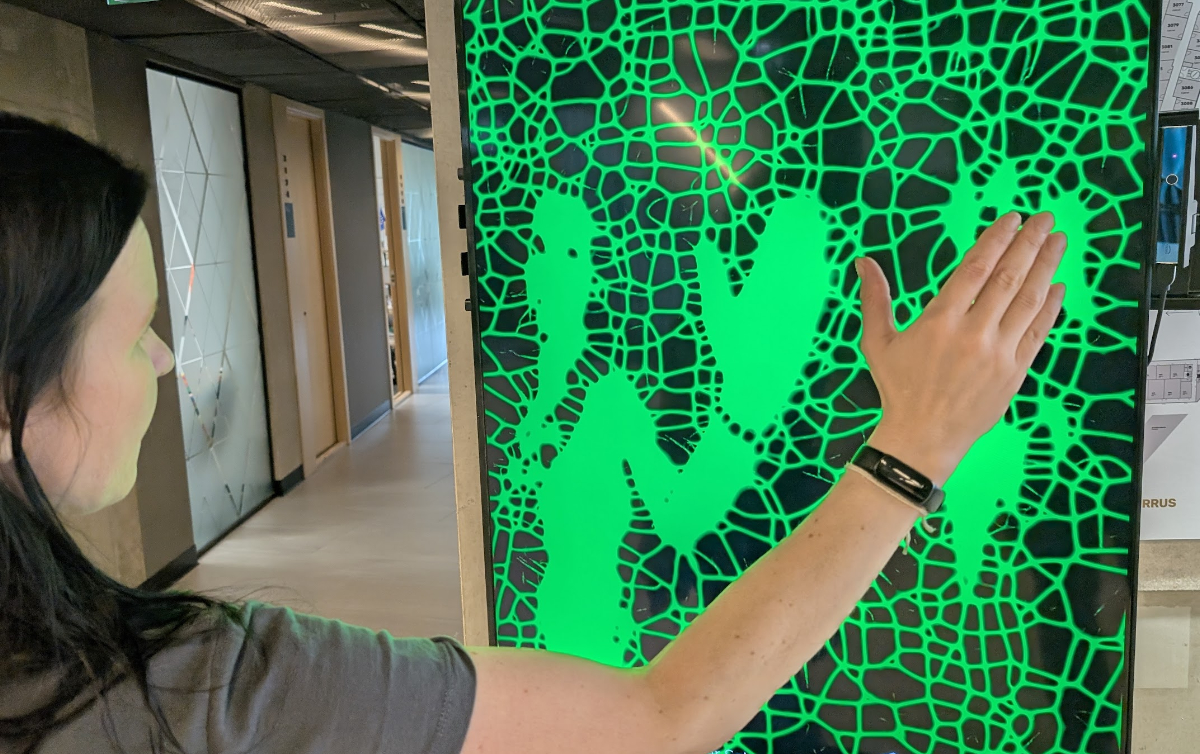
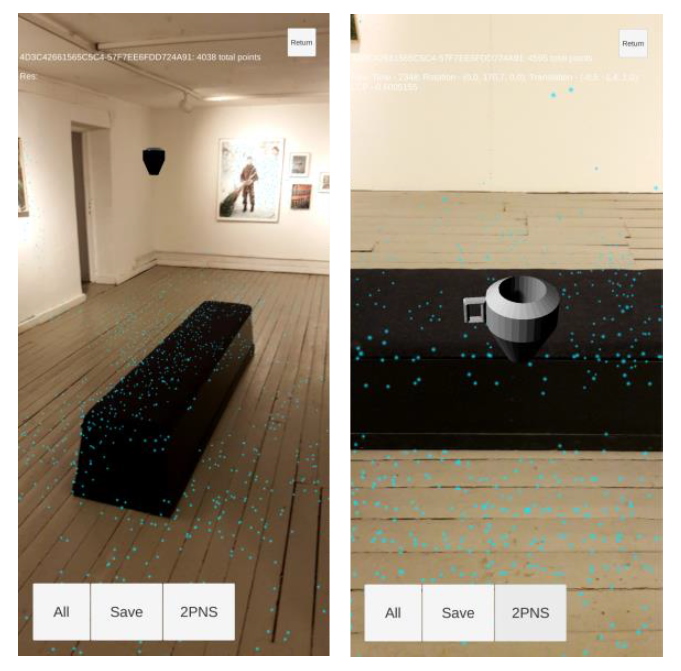
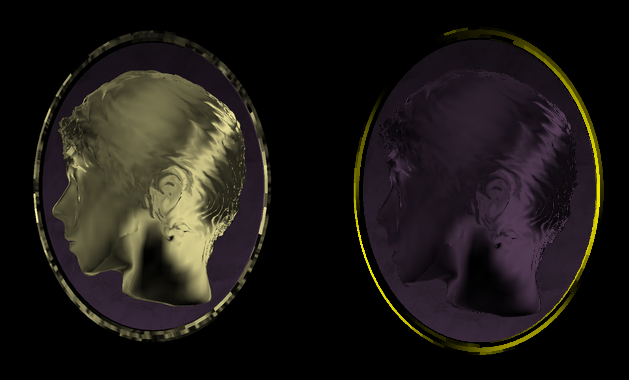
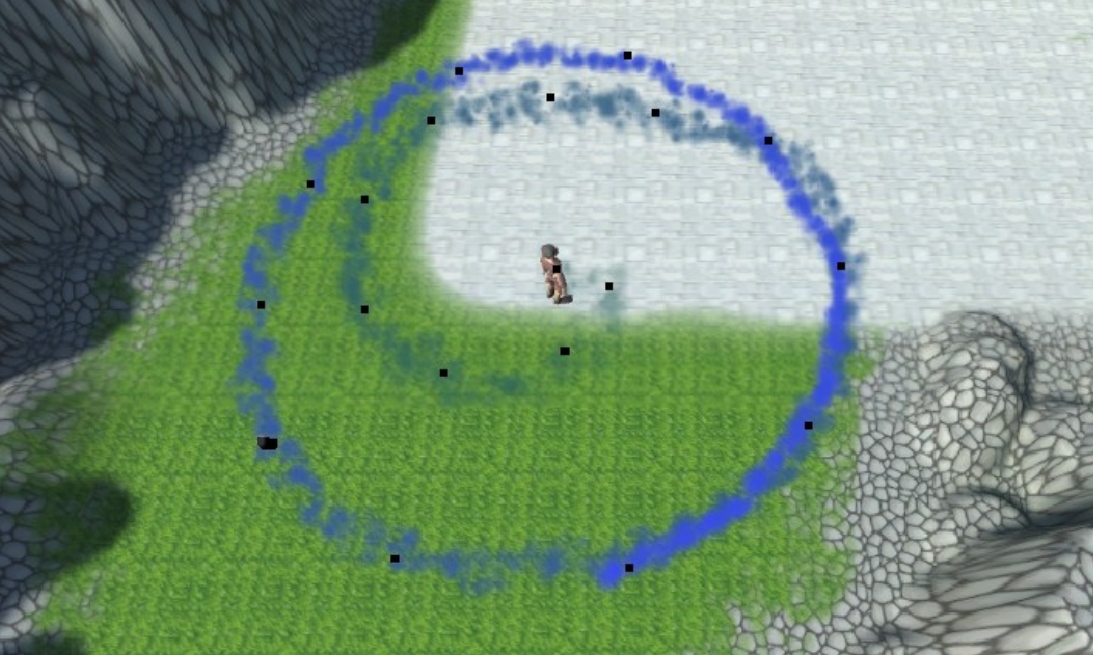
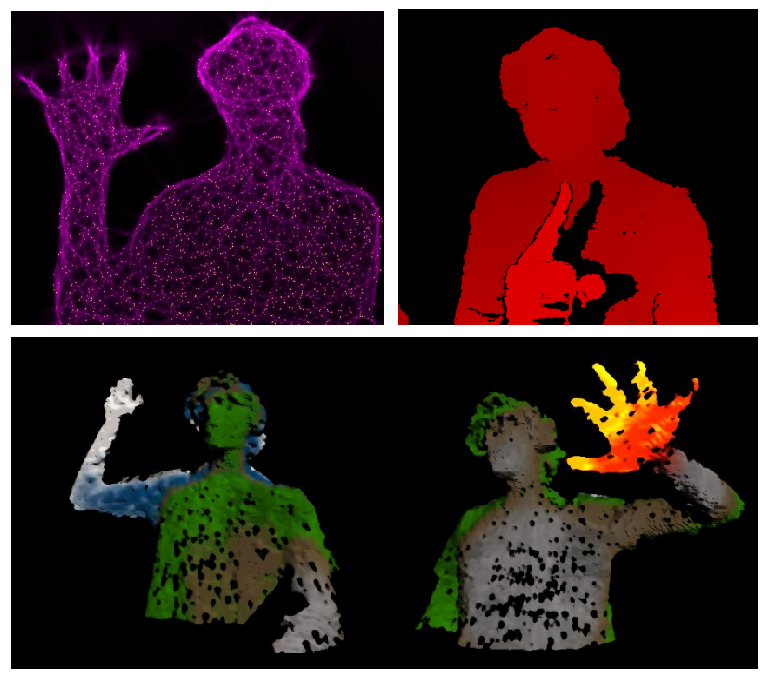
The initial Reflexions interactive art exhibit suffers from the issue that using a single depth camera results in a significant portion of the user's body being masked and untracked. Rasmus Valk has solved that issue by developing a solution that uses two synchronized cameras. He has also developed new space-themed interactive artworks. These use real astronomical concepts such as the Goldilocks zone of planets and gravitational lensing of visible light. His new artworks are now showcased in another Reflexions exhibit located at Tartu Observatory. ThesisPoster |
|
|
Software
|
|
|
Expressive Real-Time Animation Control Experiments
Rando Roosik
|
|
|---|---|
|
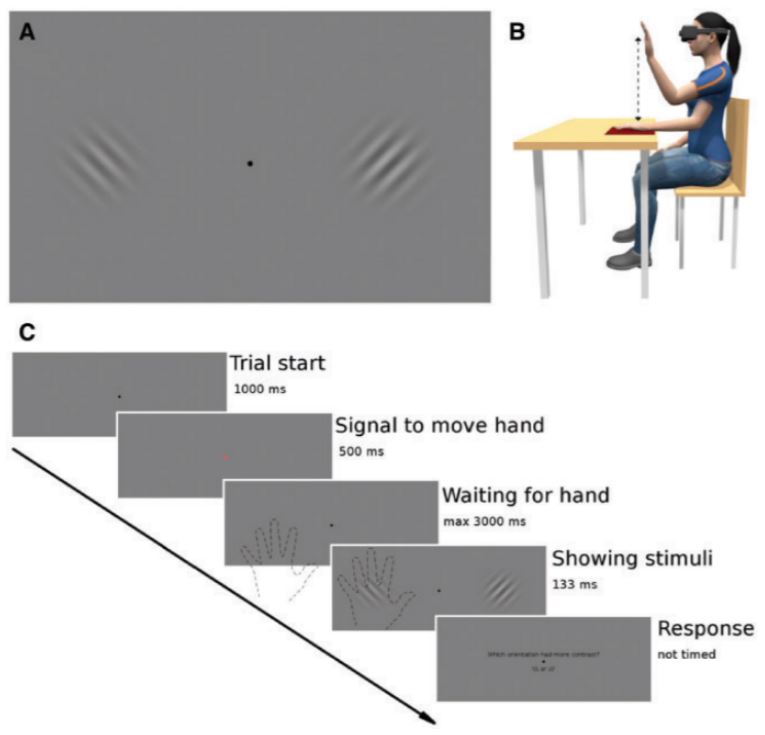
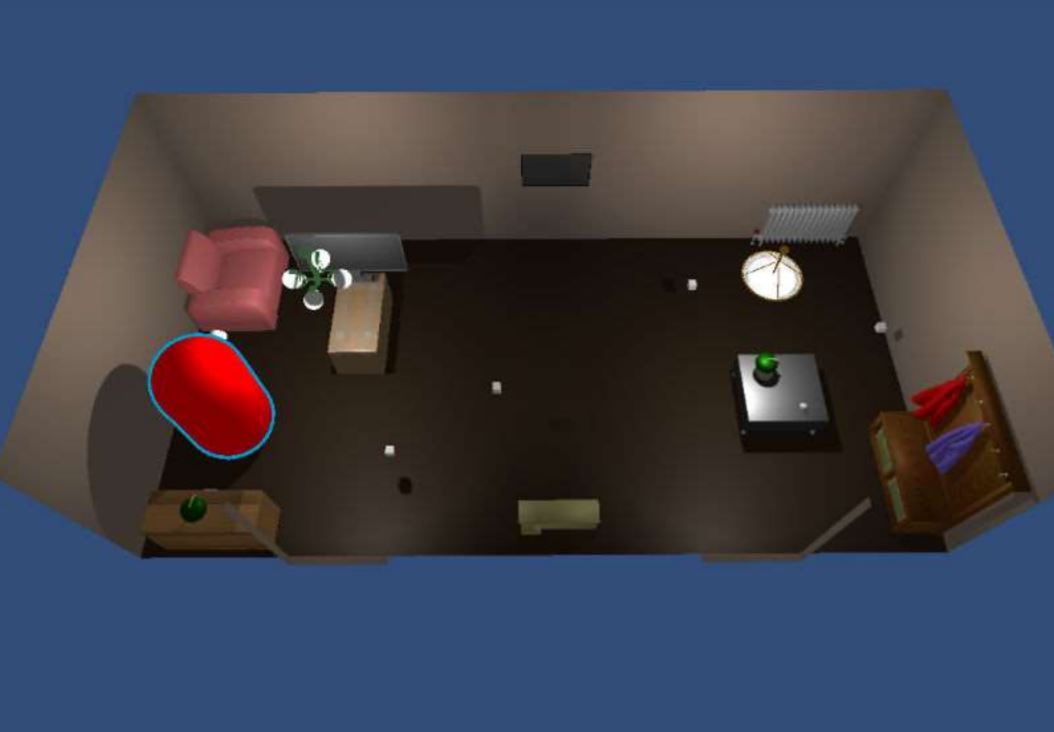
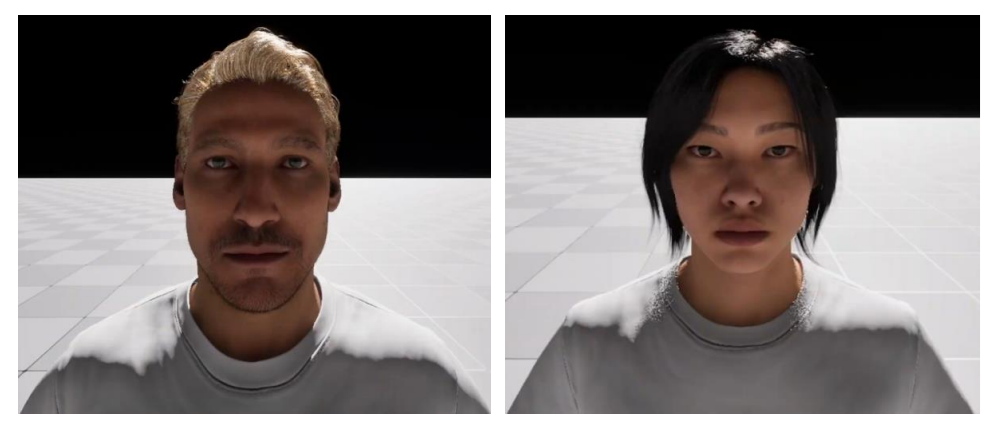
While large language models (LLM) can produce believable dialogue in specific styles, other generative artificial intelligence tools remain largely inferior in result quality. This creates a challenge for using LLM output on pre-made 3D human models, including transferring believable emotions. Rando Roosik has experimented with existing technologies that control virtual human faces and how well LLM output can be used to convey the intended emotion to end users. ThesisPoster |
|
 Experiments
|
|
|
Analysis of Real-Time Interpolation Methods on Depth Frames
Rio Truija
|
|
|---|---|
|
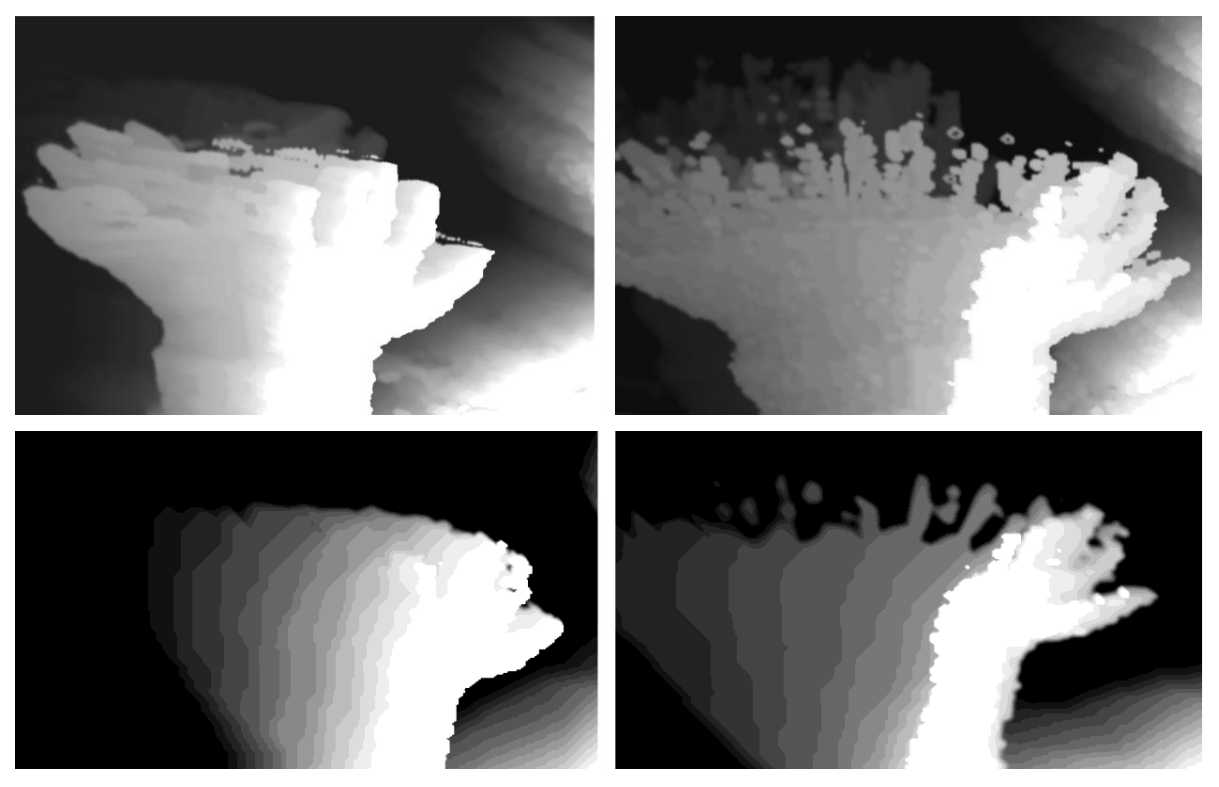
Computer graphics visualizations that depend on input frames from a real camera are affected by the camera's framerate – the granularity of the input signal's discretization. Rio Truija has explored and compared four different ways to increase the framerate by creating intermediate frames from the known data. Among repeating the frames, naive linear interpolation, deep learning interpolation, and optical flow, the deep learning approach was found to be most effective. ThesisPoster |
|
|
Experiments
|
|
|
DeltaVR – User Flow Improvements
Ranno Samuel Adson
|
|
|---|---|
|
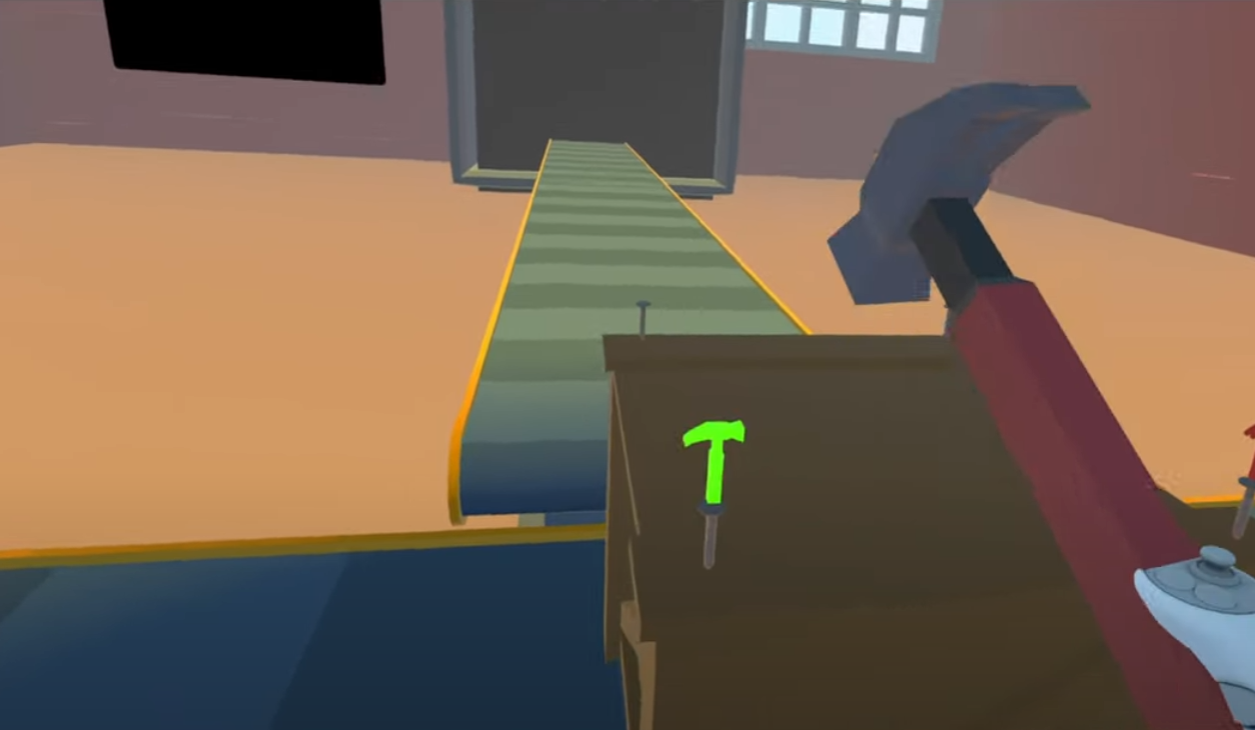
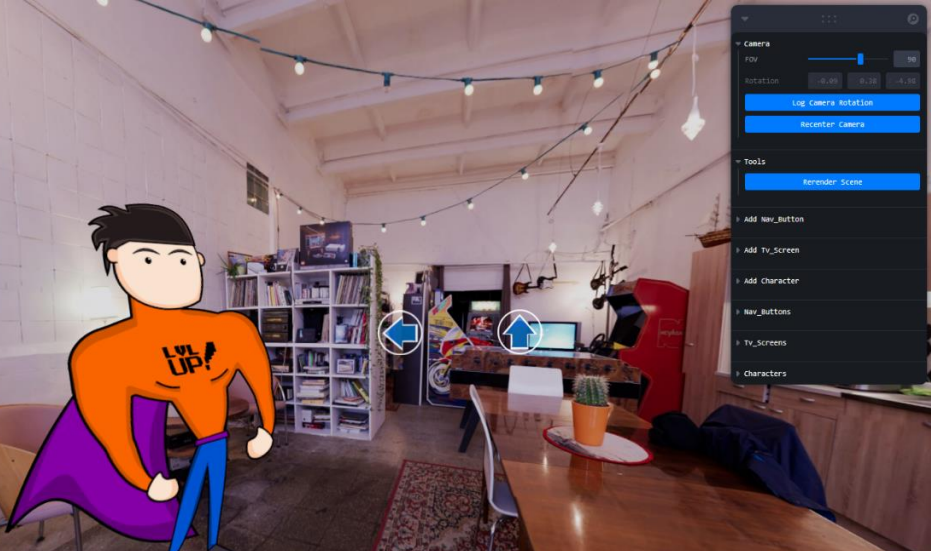
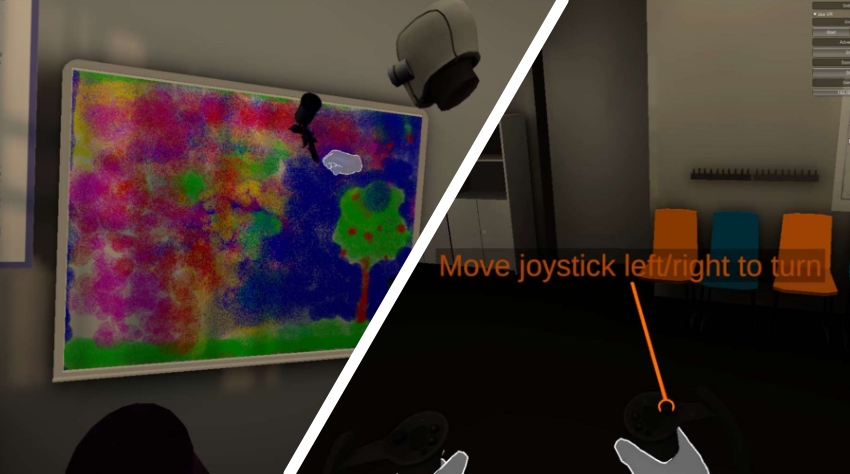
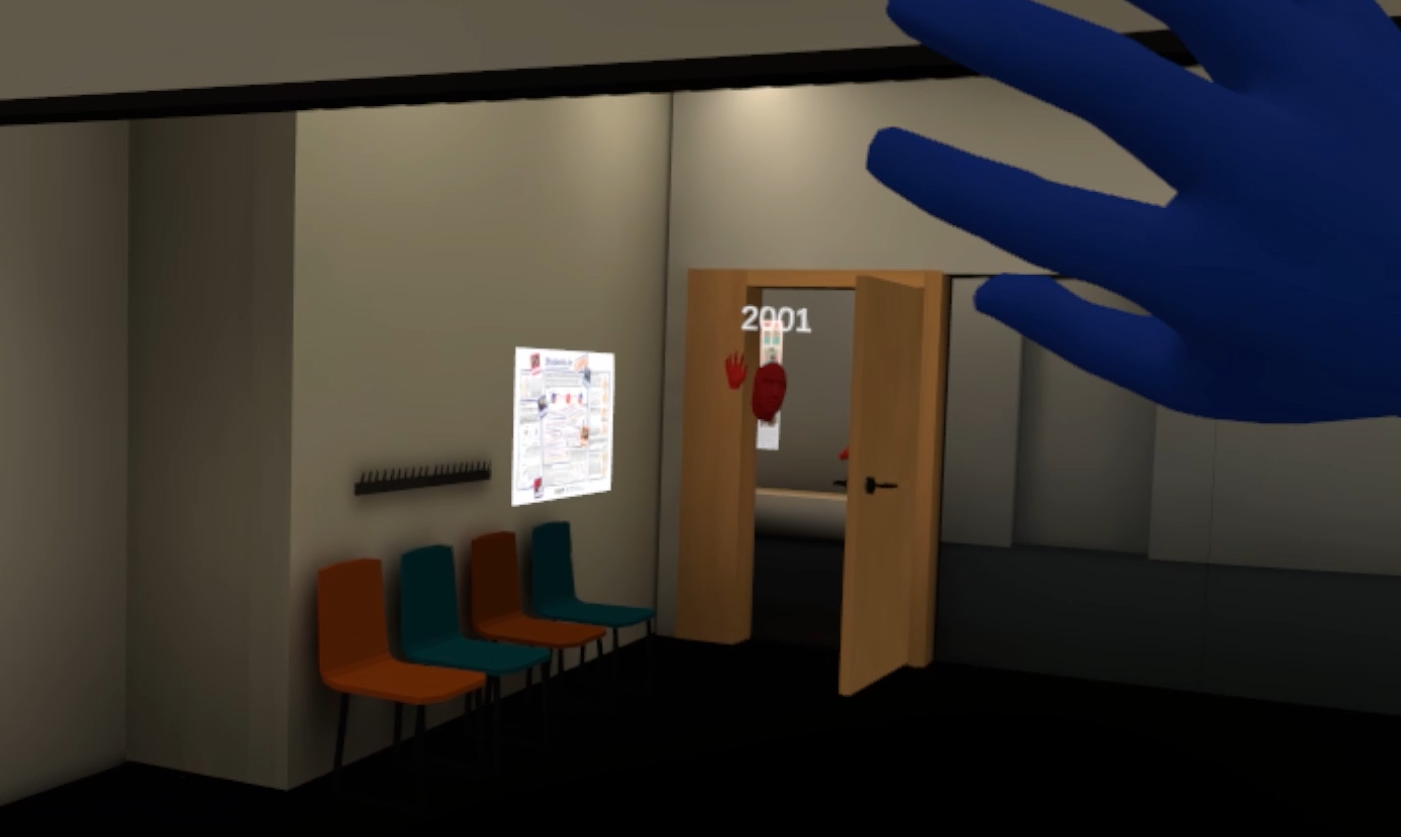
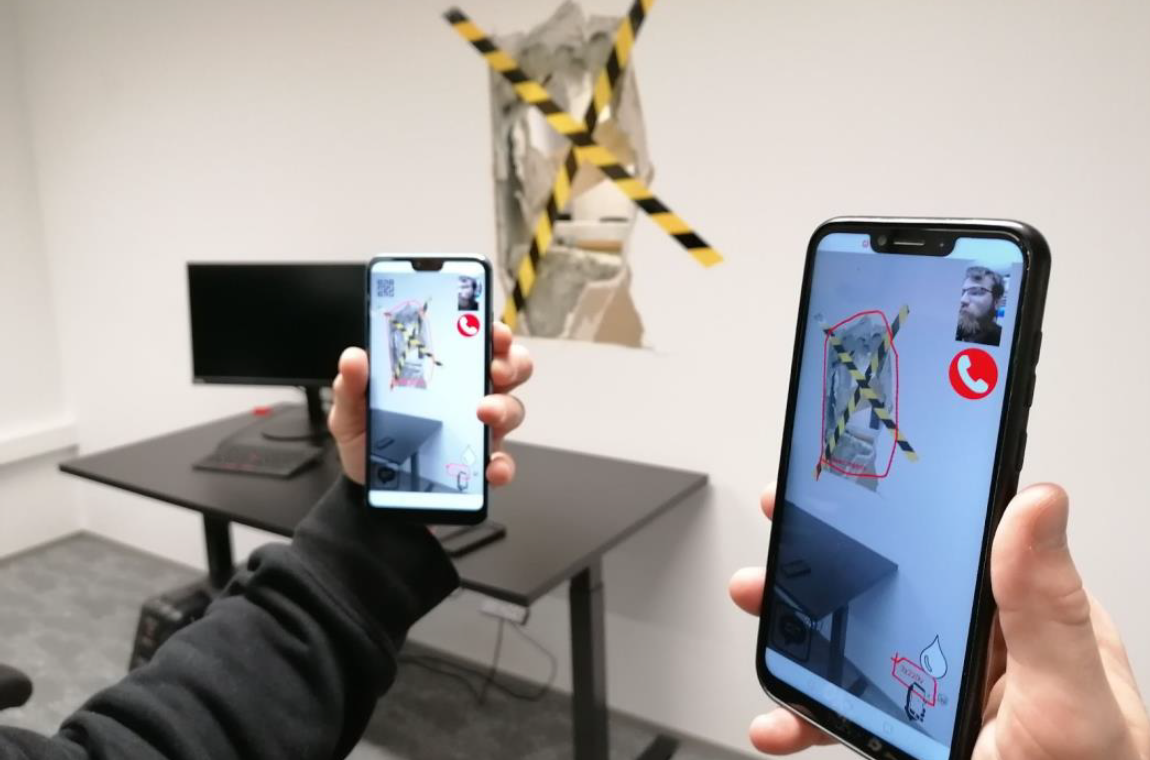
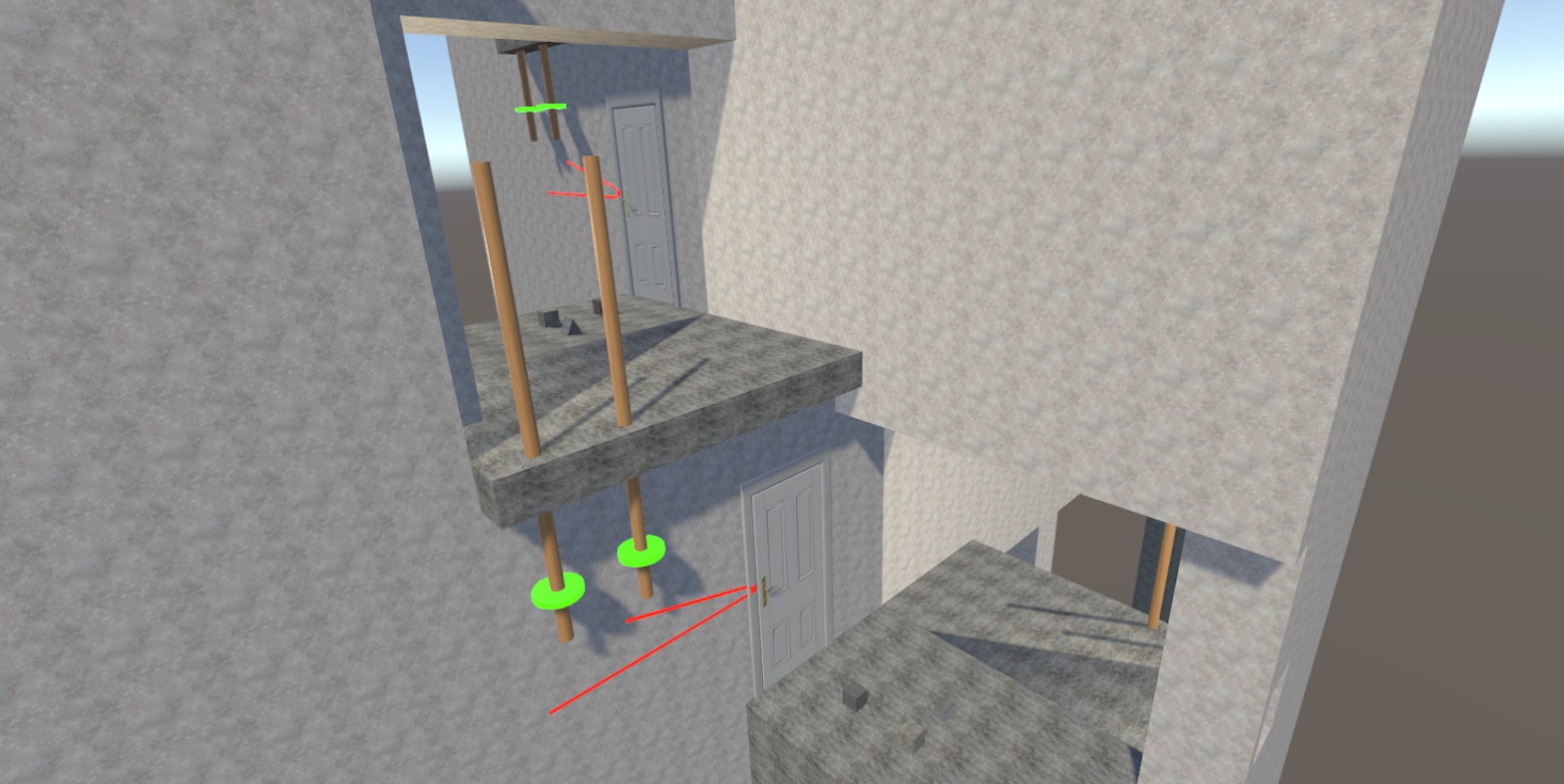
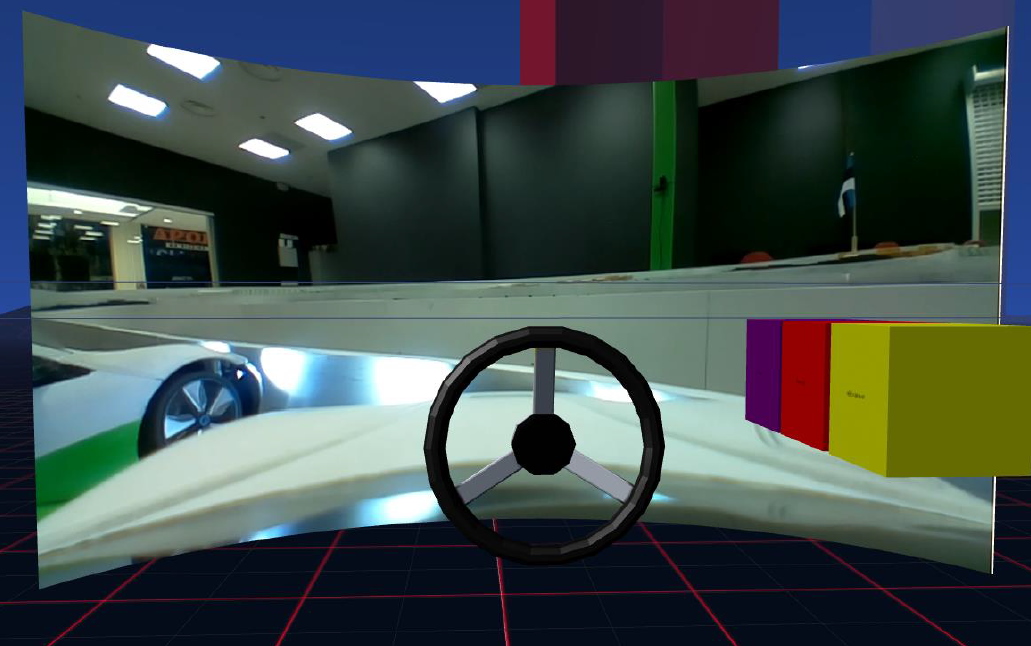
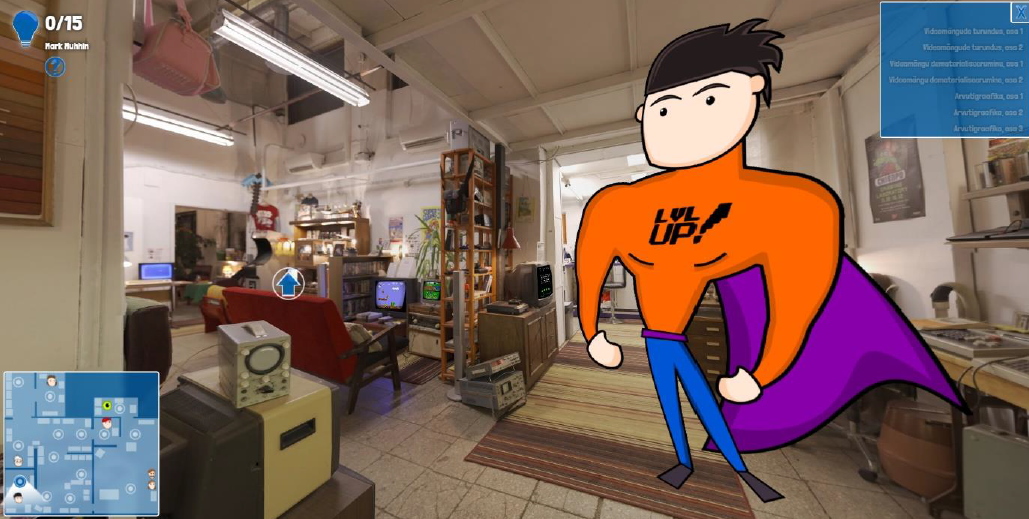
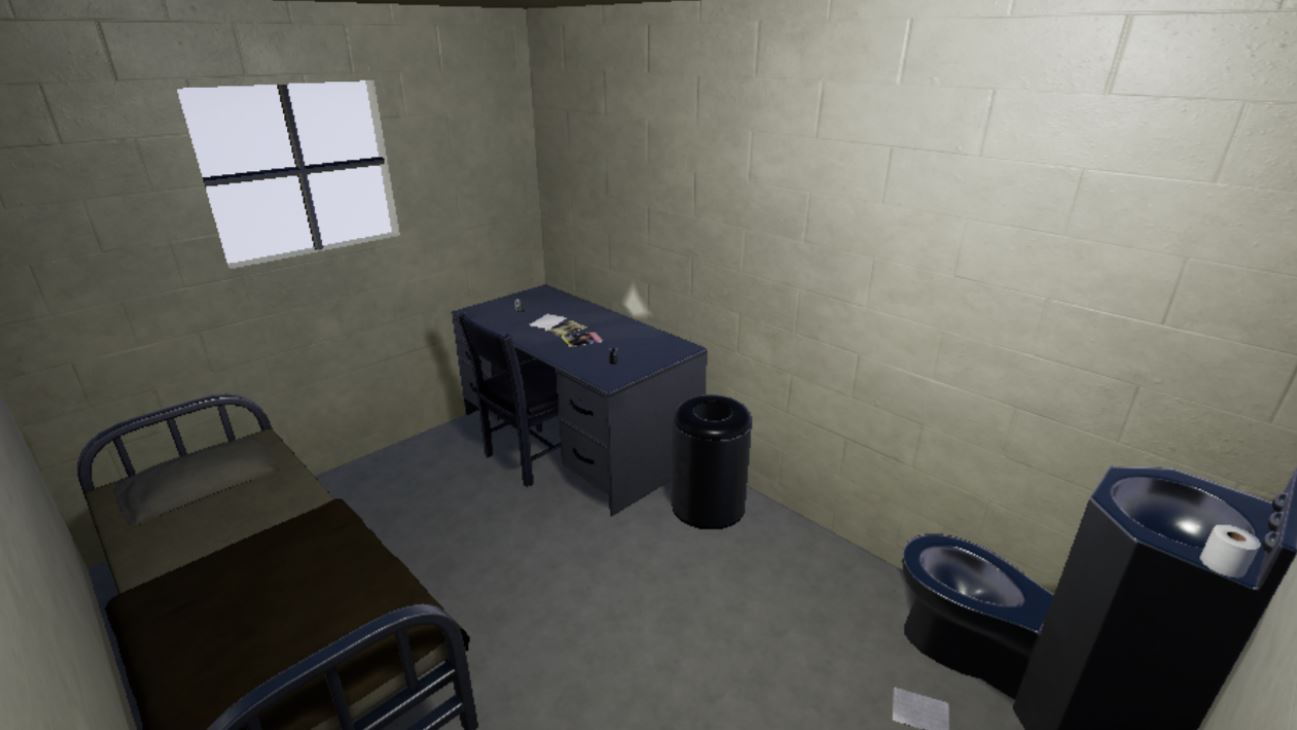
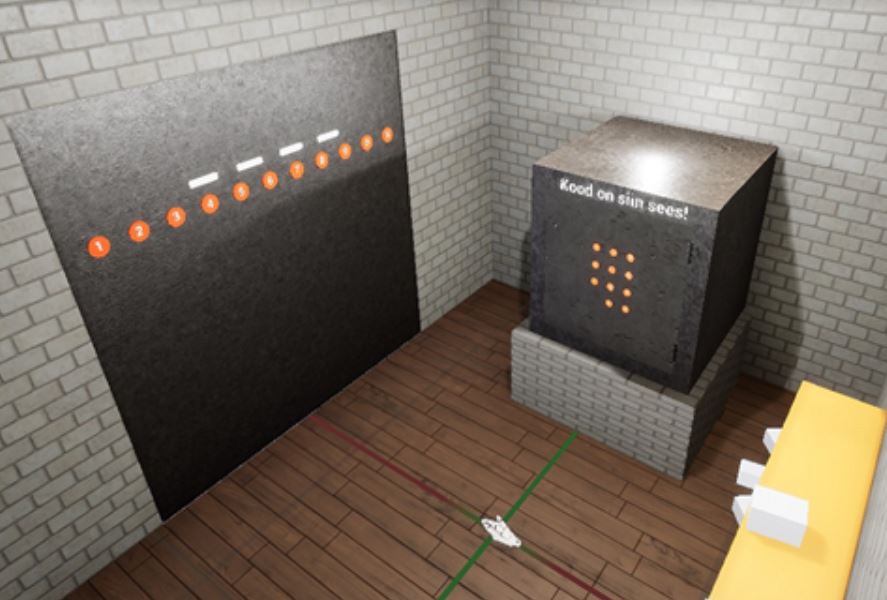
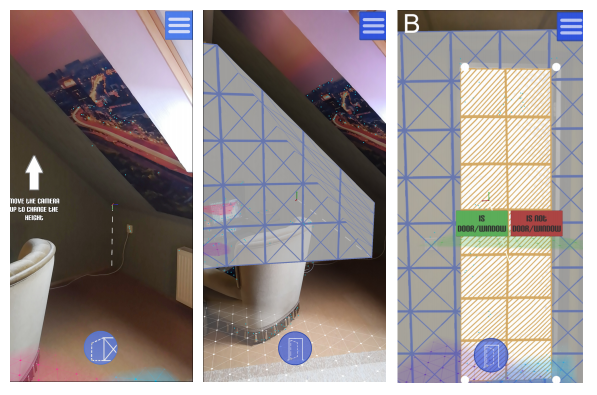
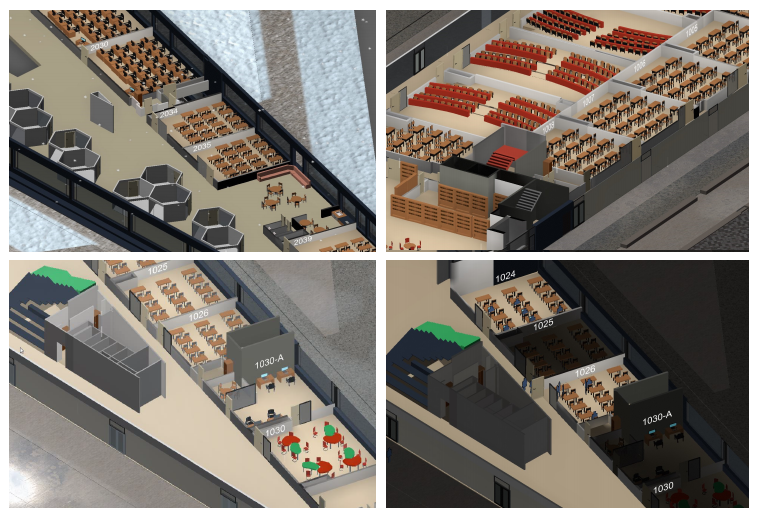
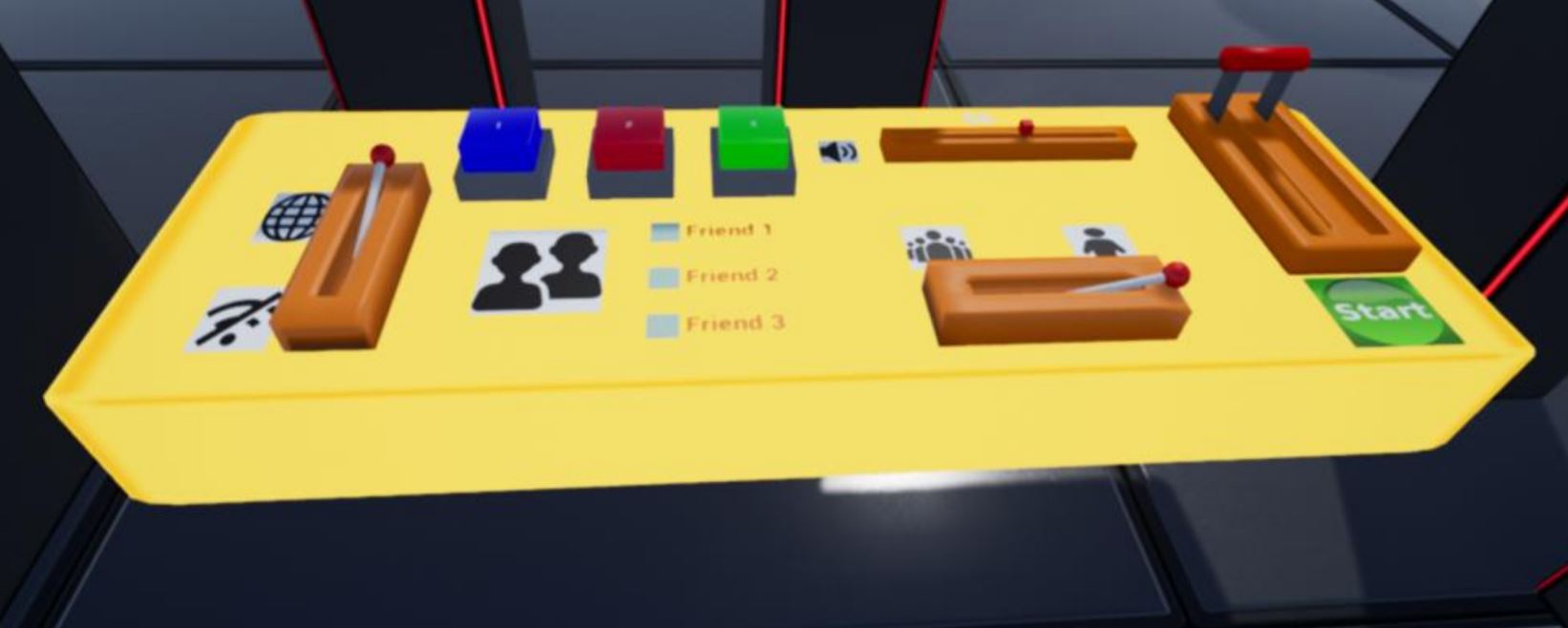
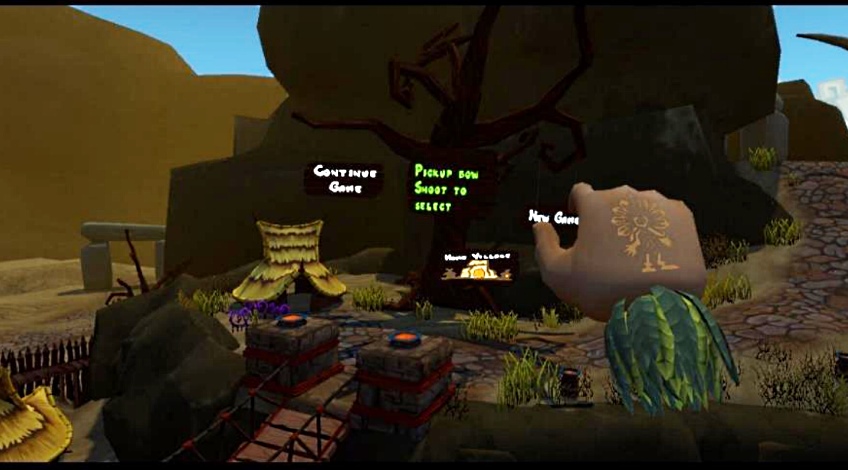
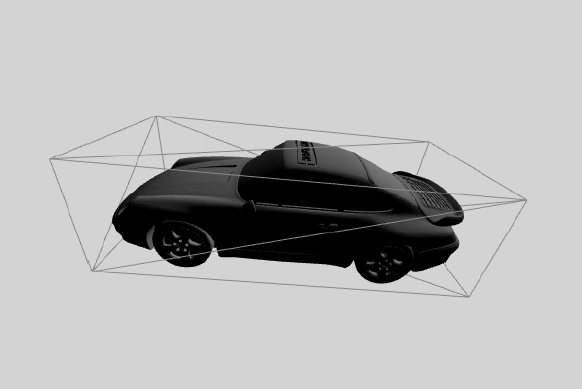
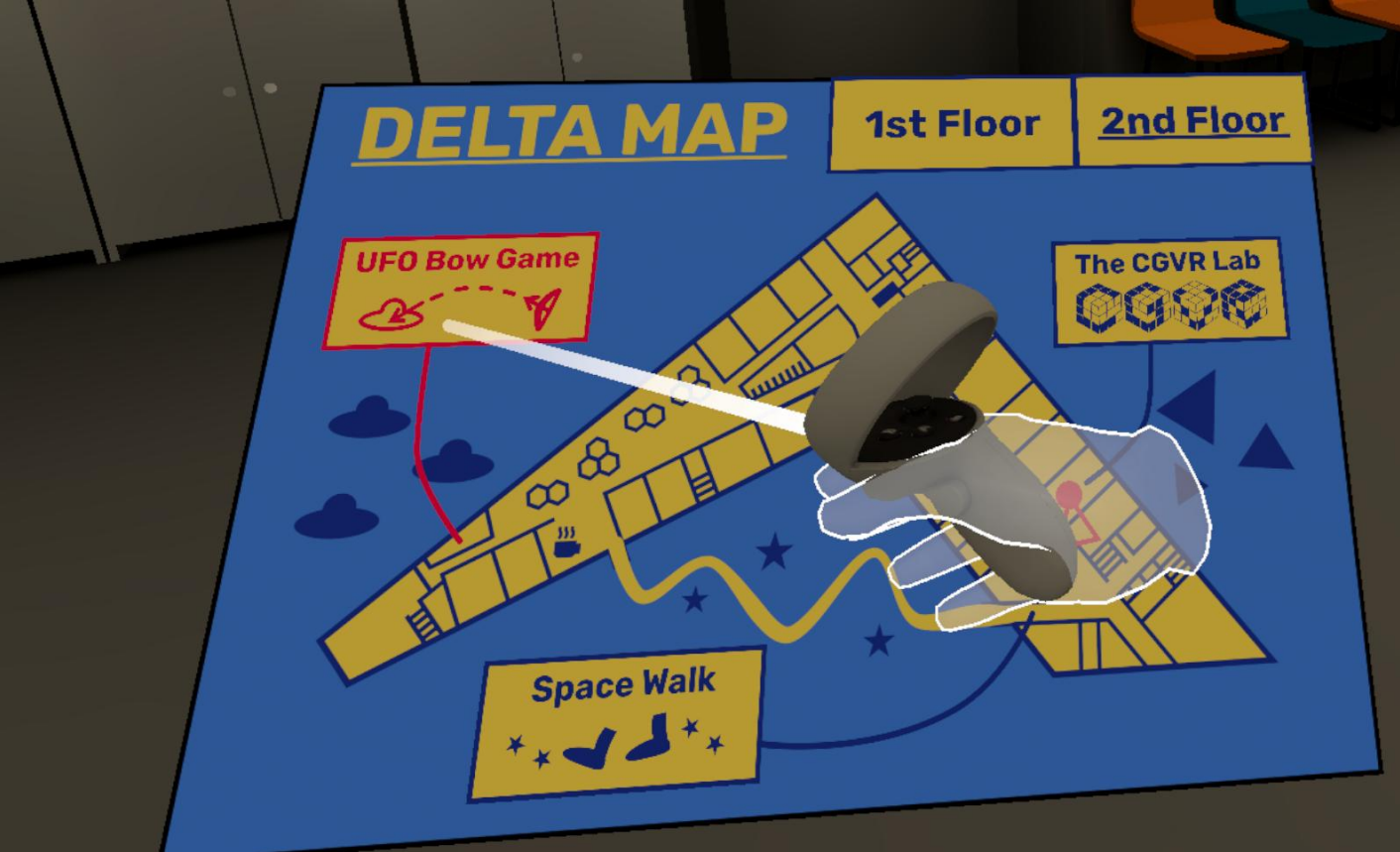
DeltaVR is a virtual reality project developed by several students during their studies. The previous work had focused on creating new minigames and multiplayer networking, and not prioritized the actual user flow and usability. Ranno Samuel Adson thoroughly mapped out the user flow issues in the DeltaVR application and worked to resolve them through three iterations of testing, design, and development. Among the solutions were the navigable map, which the user can use to instantly teleport to points of interest, and an a new interaction based on the Bolt self-driving car, developed by the Autonomous Driving Lab in the Delta building. ThesisPoster |
|
|
Software
|
|
|
Administrative Interfaces and Features for the CGVR Study Lab Website
Tõnis Tõnissoo
|
|
|---|---|
|
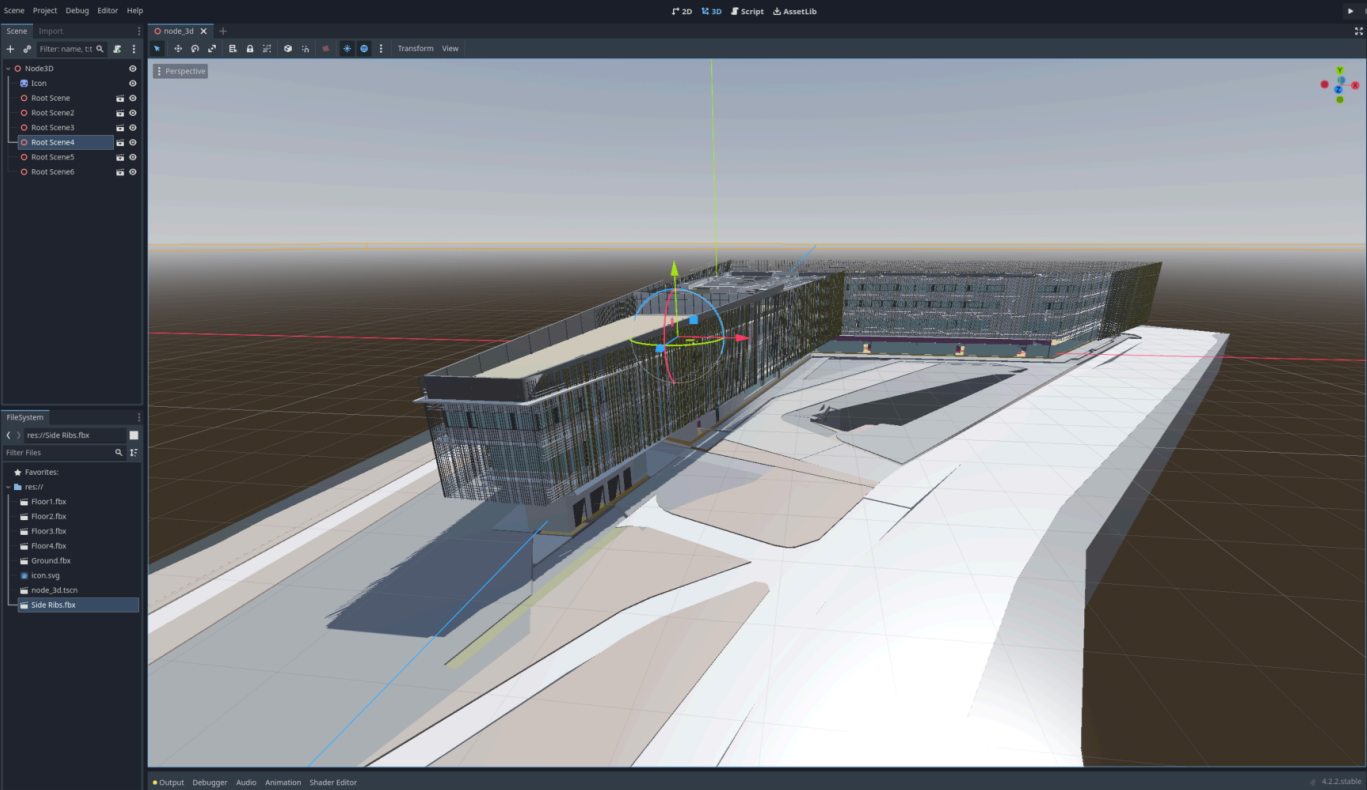
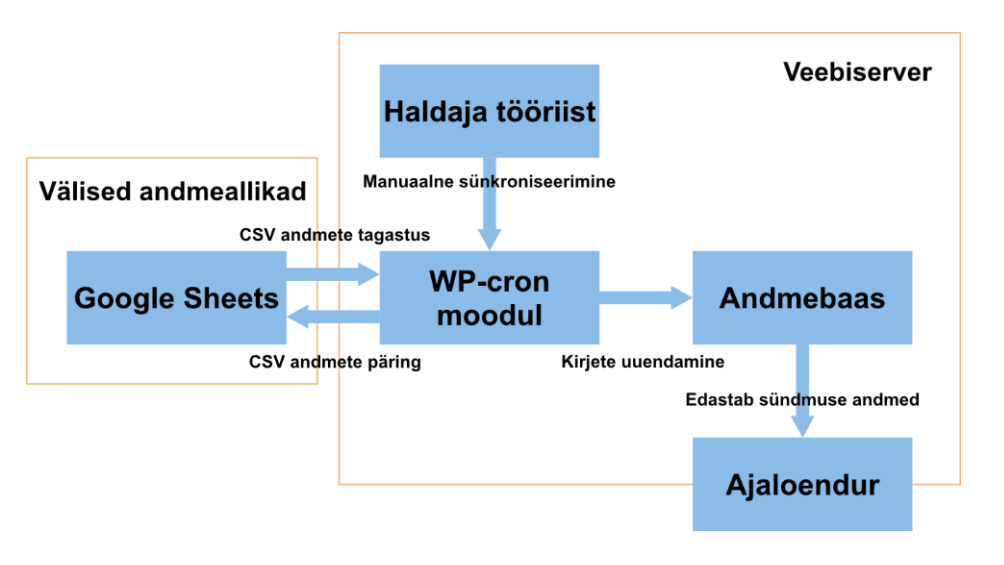
The CGVR Study Lab's website (the one you are on now) relied on hardcoded HTML entries for dynamic objects such as thesis topics and student projects. Tõnis Tõnissoo improved the webpage by converting these pages to use dynamic objects stored in a MySQL database and managed by new administrative interfaces. His extensive thesis successfully mapped, resolved, and tested these and other issues that the study lab's staff encountered while using the website. For example, the information about upcoming game jams is now displayed on a custom timer widget. |
|
|
Software
|
|
|
Player-Prompted 3D Model Generation Game Mechanics
Henri Sellis
|
|
|---|---|
|
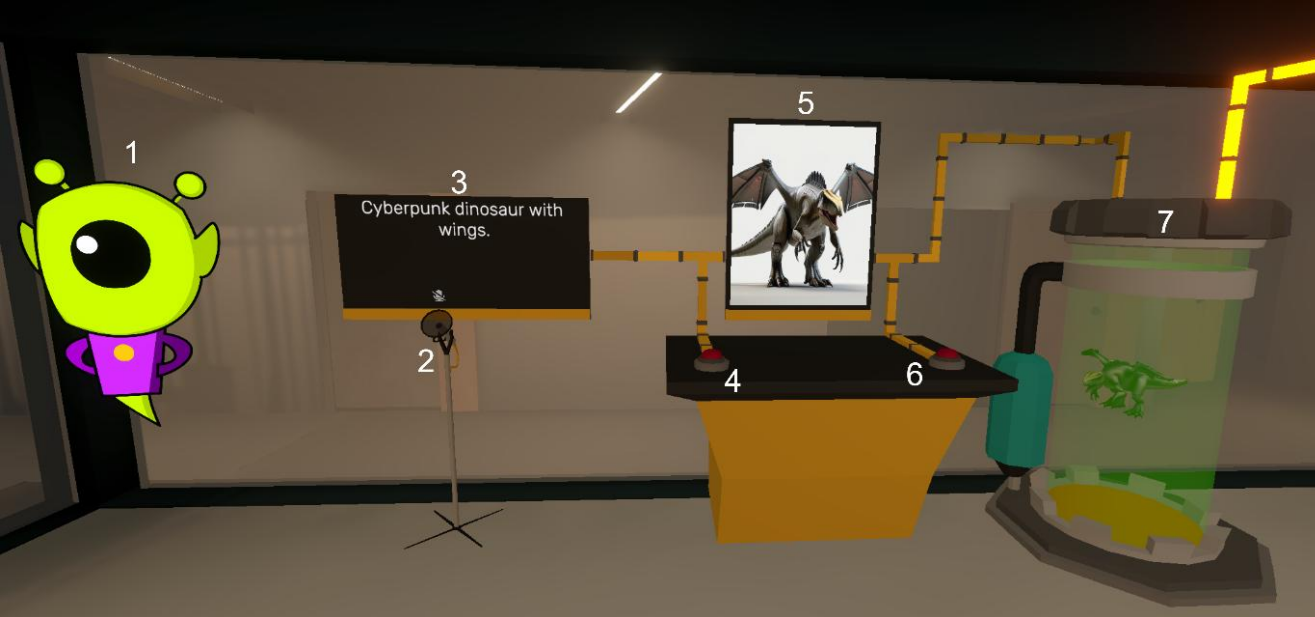
Generative artificial intelligence (GenAI) solutions are becoming faster and more effective. As GenAI approaches real-time inference speeds, it might be possible to incorporate these solutions into game design as a game mechanic. Henri Sellis explored just that in his master's thesis. Within the DeltaVR environment, he designed three different game mechanics that all incorporate GenAI 3D model generation as part of their core actions. As the games were in virtual reality, the pipeline started with the player's voice input, which was transcribed and used as a prompt to a 2D image generator. After which, the 2D image was used as input to a 3D model generator. The three distinct game designs explore the feasibility of incorporating real-time GenAI into game design, and the results are promising. This thesis project won third place in the master's category of the Student Project Contest. ThesisPoster |
|
|
Experiments
|
|
|
Reflexions – Gestural Play as an Interactive Art Installation
Elina Meier
|
|
|---|---|
|
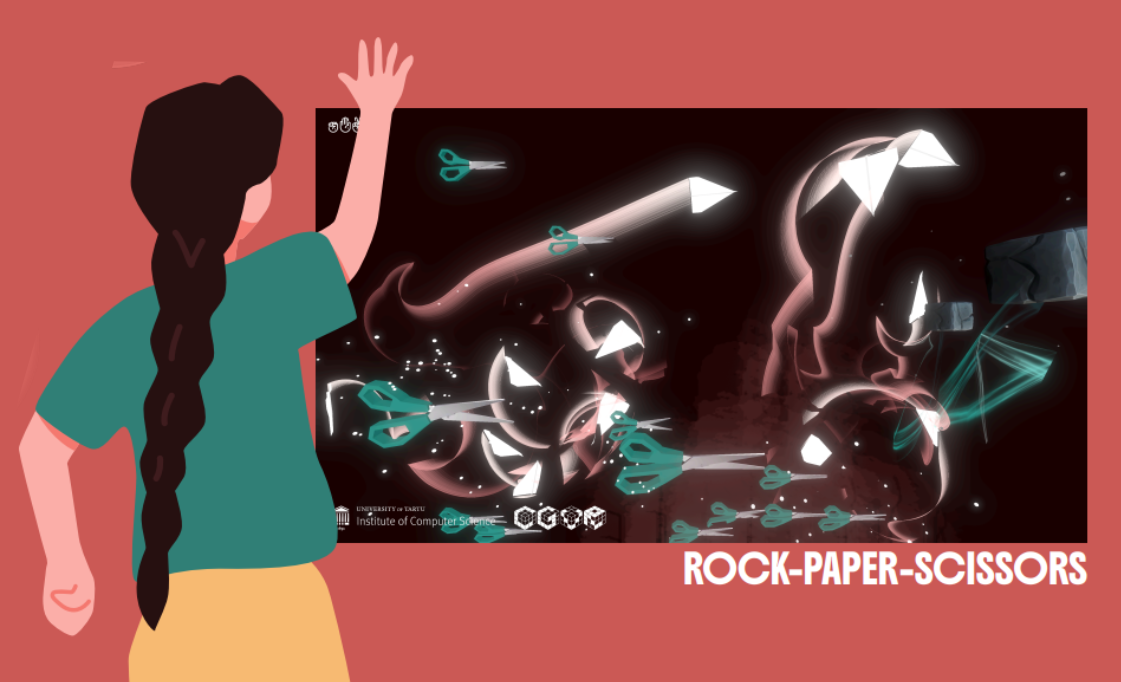
Our hands and gestures we make with them are one of our main ways of communicating with the world around us. Interactive art installations can benefit from gesture-based interactions. In her master's thesis, Elina Meier explored the possibilities of extending the Reflexions interactive art exhibit through gestural play. She created three interactive pieces that demonstrate different possibilities. Most notably, they also allow for social play as gestures can be recognized from multiple visitors simultaneously. This is evidenced in her Rock-Paper-Scissors piece. ThesisPoster Website |
|
|
Software
|
|
|
Townfall – a City-Builder Game Centered Around a Dynamic World
Karl Suurkaev
|
|
|---|---|
|
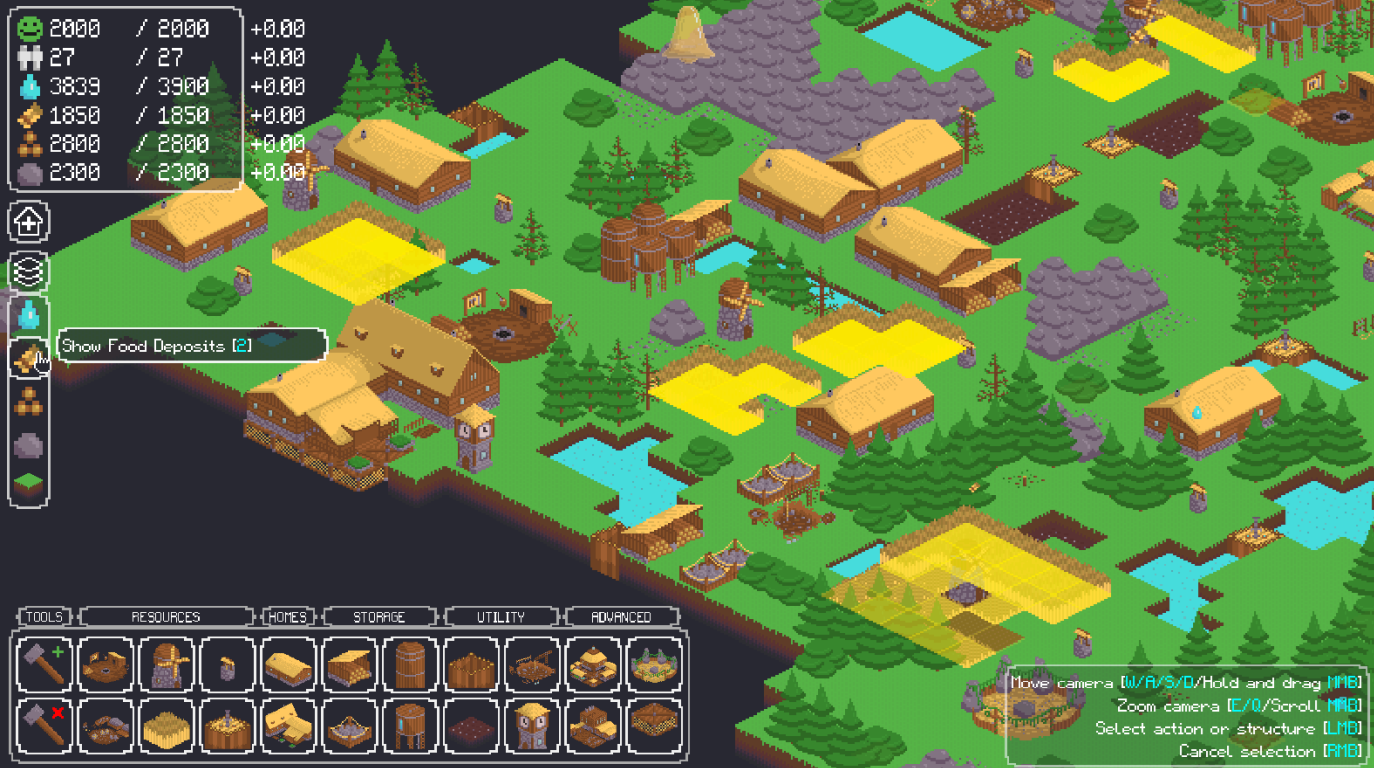
Dynamic game levels in real-time city-building games can be an engaging game mechanic, as evidenced by their use in real-time strategy games. The masterfully designed and developed game Townfall investigates whether a world that is both destroying and growing is engaging for players of city-building games. Karl Suurkaev found in his master's thesis that while players do feel some frustration, the mechanic is largely enjoyable, and he continues to develop Townfall. This game was showcased at GameOn 2025. ThesisPoster Itch.io page |
|
|
Software
|
|
The Computer Graphics and Virtual Reality Lab at the Institute of Computer Science, University of Tartu, Estonia provides video game development, virtual reality (VR), and computer graphics education both inside and outside the uni and a study place for our students.
We research psychology and computational neuroscience using VR. Learn more.


This year’s MängudeÖÖ was organized together with a game development conference. We went there with our rising game development students, who, in addition to gathering essential feedback for their games, learned a lot from the industry professionals at the conference. Two of our student games were summer projects, one was a course project from our […]
What happens when game development meets digital cultural heritage? From October 9–11, UT Game Jam 2026 brought creative minds together at the University of Tartu Delta Centre and online for a weekend of experimentation, collaboration, and game development. Organised together with the Estonian National Museum (ERM), this edition came with an extra creative twist. In […]